
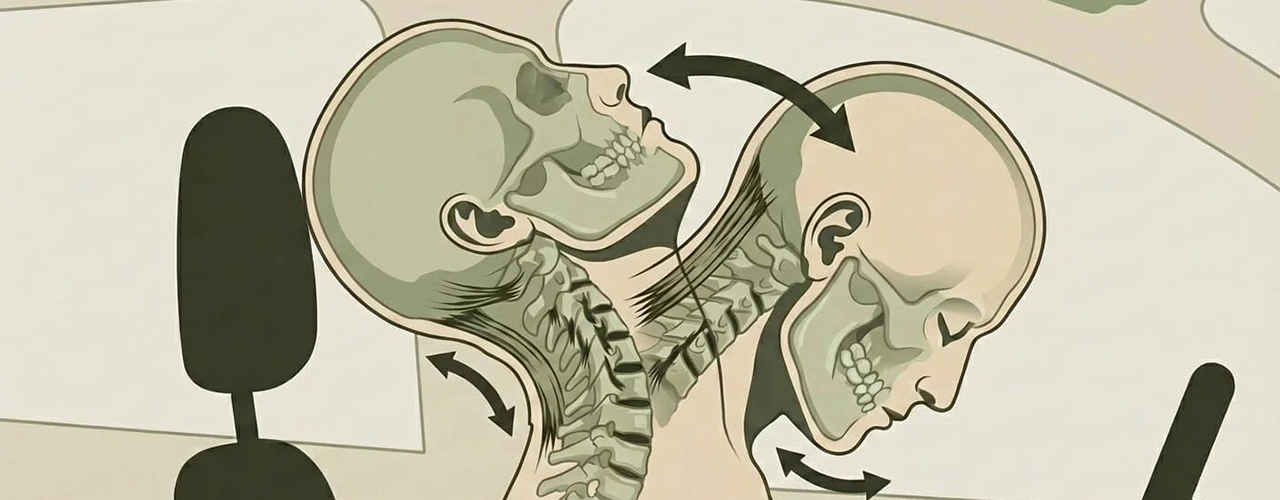
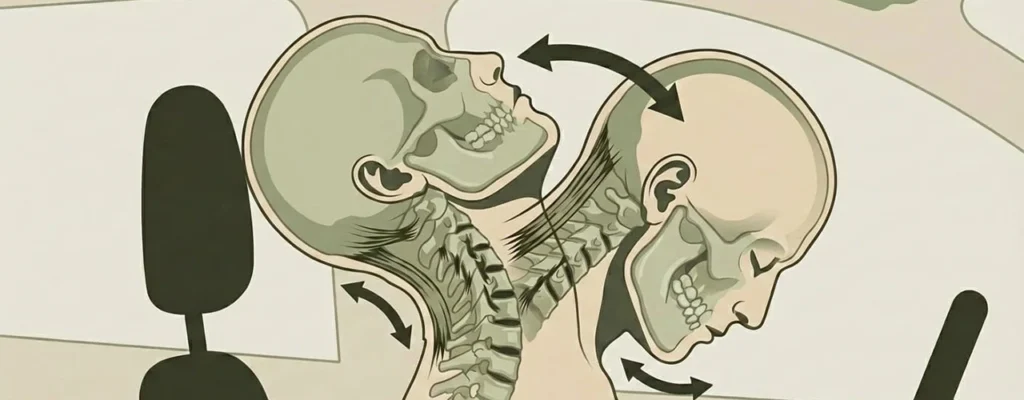
Whether it is a sudden car accident or a fall while snowboarding on vacation, neck injuries from sudden impact are more common than many realize. In the field of physiotherapy, we categorize these injuries under Whiplash Associated Disorders (WAD).
The term “whiplash” refers specifically to the injury mechanism—the sudden acceleration-deceleration force transferred to the cervical spine—while WAD describes the resulting clinical symptoms, such as pain, stiffness, and headaches. At Mobilize Physio, we emphasize that early intervention is the “gold standard” for recovery. Evidence suggests that treatment can be highly successful when it includes active exercise, education, and manual therapy from a physiotherapist. If left untreated, symptoms can become increasingly difficult to manage due to tissue changes and compensatory movement patterns, eventually leading to chronic whiplash.
In this post, we will explore the classifications of whiplash, its structural causes, and how you can manage symptoms at home or with professional help to prevent chronic compensatory movement patterns.
Table Of Content
What is Whiplash Associated Disorder (WAD)?
Whiplash Associated Disorder (WAD) is a clinical term used to group symptoms affecting the neck area that occur following a sudden force transferred to the cervical spine. This is the most commonly reported clinical presentation for individuals involved in motor vehicle collisions.
The Biomechanics: What Happens Inside?
When the head is whipped forward and back, the rapid movement can cause structural strain or damage to several delicate tissues:
- Facet Joints: These are the small joints between your vertebrae that allow for movement; they can become compressed or “jammed” during the “whip” motion.
- Joint Capsules and Ligaments: The connective tissues that hold your spine together can be overstretched or torn.
- Muscle Spasms: As a protective mechanism, your neck muscles often “lock up” to prevent further movement, which leads to the characteristic stiffness of WAD.
- Nerve Roots: In more severe cases, the sudden movement can irritate the nerves exiting the spine, causing symptoms to travel down the arms.
The WAD Classification Grades
Clinicians use a standardized grading system to determine the severity of the injury and guide the treatment plan:
- Grade 0: No complaints about neck pain and no physical signs are present during an exam.
- Grade I: The patient complains of neck pain, stiffness, or tenderness, but no physical signs are detected by the therapist.
- Grade II: Complaints of neck pain are accompanied by musculoskeletal signs, such as a decreased range of motion and point tenderness.
- Grade III: The patient experiences neck pain and musculoskeletal signs along with neurological signs, which may include muscle weakness, sensory deficits (numbness/tingling), or absent deep tendon reflexes.
- Grade IV: Neck pain is associated with a more severe injury, such as a fracture or dislocation of the spine.

Diagnosis and Examination
During a thorough examination at our Mong Kok clinic, a physiotherapist will ask detailed questions about the event and your symptoms to understand the condition thoroughly. We assess the head, neck, and arms through specific tasks to determine the extent of the injury:
- Range of Motion: We measure how far you can move your neck and shoulders in different directions.
- Pain Sensitivity: We identify the degree of motion that causes pain or increases your current discomfort.
- Palpation: We check for specific areas of tenderness in your neck, shoulders, or back.
- Neurological Screen: We test the reflexes, strength, and sensation in your limbs to ensure nerve pathways are functioning correctly.
Whiplash is unique because the injury is often unexpected and jarring. It is common for patients to develop a fear of movement (kinesiophobia). Part of our role is Education—helping you understand that while your neck is sore, movement is actually the key to preventing the tissues from becoming chronically stiff and “locked”.
Most whiplash cases resolve within 12 weeks of the injury. However, it is important to consider individual factors (comorbidities) such as age and your socioeconomic environment, which can influence recovery speed. Seeking active treatment within the first 3 months is critical to preventing ongoing pain and long-term dysfunction.

At-Home Recovery & Pain Management for Whiplash
While professional guidance from a physiotherapist is essential for long-term recovery, the care you provide your body outside the clinic determines the speed of your healing. Here are expert recommendations for at-home whiplash management:
1. Strategic Rest & Activity Balance
The first 24 to 48 hours following an injury are considered the acute phase.
- Avoid Prolonged Bed Rest: Many patients assume complete rest is best. However, total inactivity causes deep neck muscles (like the longus colli) to become dormant, leading to increased joint stiffness.
- Frequent Posture Changes: Whether sitting or standing, gently move your neck every 20–30 minutes. This prevents ischemic pain—discomfort caused by restricted blood flow when muscles remain in one position for too long.
2. The Science of Cold and Heat Therapy
- Acute Phase (First 48 Hours): Use Cold Therapy (Cryotherapy). Cold constricts blood vessels, effectively reducing inflammation, swelling, and sharp pain after tissue trauma.
- Sub-acute Phase (After 48 Hours): Transition to Heat Therapy. Heat promotes blood circulation to flush out metabolic waste and relaxes muscle spasms triggered by the body’s protective mechanisms.
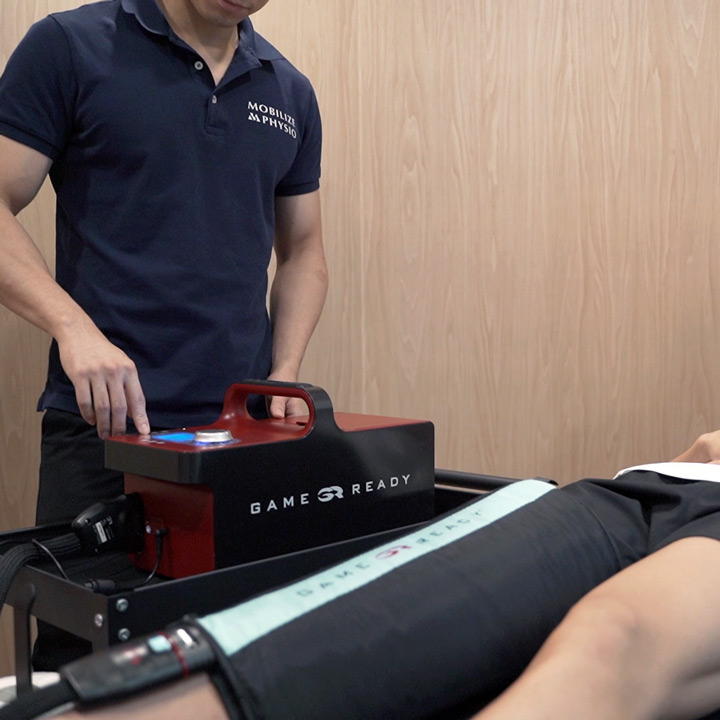
- Frequency: Apply for 15 minutes every 3 hours. Always wrap ice packs or heating pads in a towel to protect your skin from frostbite or burns.
3. Optimizing Sleep & Resting Postures
Sleep is the critical window for tissue repair, but poor positioning can strain the cervical spine:
- Pillow Height: Your pillow should fill the gap between your neck and the mattress. For side sleepers, the pillow height should equal the width of your shoulder to keep the spine in a neutral, straight line.
- Avoid Stomach Sleeping: Sleeping on your stomach forces the neck to rotate sharply to one side for hours, placing immense pressure on injured facet joints and muscles.
4. Ergonomic Adjustments for Digital Use
In Hong Kong, “Tech Neck” is a common issue. During whiplash recovery, ergonomic habits are vital:
- Eye-Level Viewing: Position your computer screen or smartphone so the top of the device is at eye level.
- Forearm Support: Ensure your forearms are supported while typing to prevent the trapezius (upper back and neck muscles) from overworking to stabilize your arms.
5. Advanced Active Recovery Exercises
As acute pain subsides, incorporate these targeted movements to restore stability:
- Chin Tucks: Imagine a string pulling the top of your head upward while gently tucking your chin (creating a “double chin”). This activates the deep neck flexors, providing essential internal support for the cervical spine.
- Isometric Contractions: Place your palm on your forehead. Gently push your head forward into your hand without actually moving your head, holding for 5 seconds. This safely builds neck strength without irritating sensitive joints.
6. Monitoring "Red Flag" Symptoms
While at-home care is effective, watch for signs of worsening conditions. Contact your physiotherapist immediately if you experience:
- Radiating, sharp pain or “electric shock” sensations traveling down the arm.
- Numbness in fingers or loss of sensation to heat and cold.
- Significant loss of grip strength or difficulty with fine motor tasks (e.g., buttoning a shirt).
The Physiotherapy Approach: A Comprehensive Recovery Strategy
Our primary goals are to manage pain, restore full cervical range of motion, and facilitate a safe return to your daily activities and sports. Physiotherapy is not merely a passive treatment; it is a dynamic process that integrates scientific data with clinical expertise.
Our physiotherapists utilize specialized “hands-on” techniques to address tissue changes following an injury:
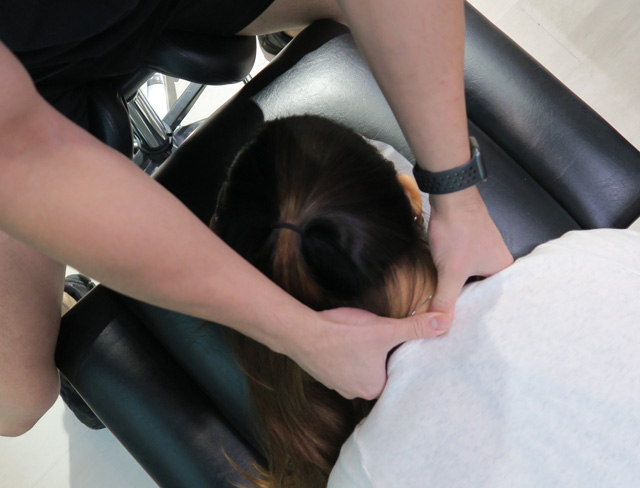
- Joint Mobilization: We apply gentle, graded pressure to cervical spine joints that have become “jammed” or restricted due to impact. This restores normal joint gliding and function.
- Soft Tissue Release: We perform precise pressure and stretching on muscle spasms caused by protective guarding (such as the trapezius and levator scapulae). This relieves tension-related headaches and restores the ability to turn your head comfortably.
2. Data-Driven Assessment & Monitoring
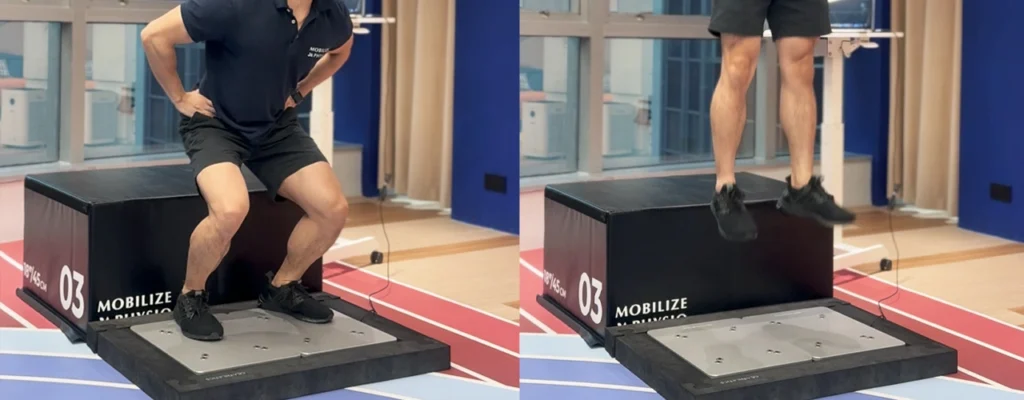
At Mobilize Physio, we utilize advanced equipment such as Force Plates to measure weight distribution during postural transitions and balance tests. Whiplash injuries often impair proprioception (your body’s awareness of its position). Our data allows us to objectively determine if your nervous system has regained precise control over your neck muscles.
When it comes to rehabilitation, “more” isn’t always “better.” We focus on a progressive, evidence-based approach:
- Deep Neck Flexor Training: These are the “core muscles” of your neck. Following an injury, these muscles often become dormant. We teach you how to reactivate them to provide essential internal stability for your spine.
- Postural Re-education: We correct compensatory movements caused by the injury—such as shrugging or forward head posture. This ensures your body structure can support long-term office work or high-intensity exercise.
4. Therapeutic Modalities
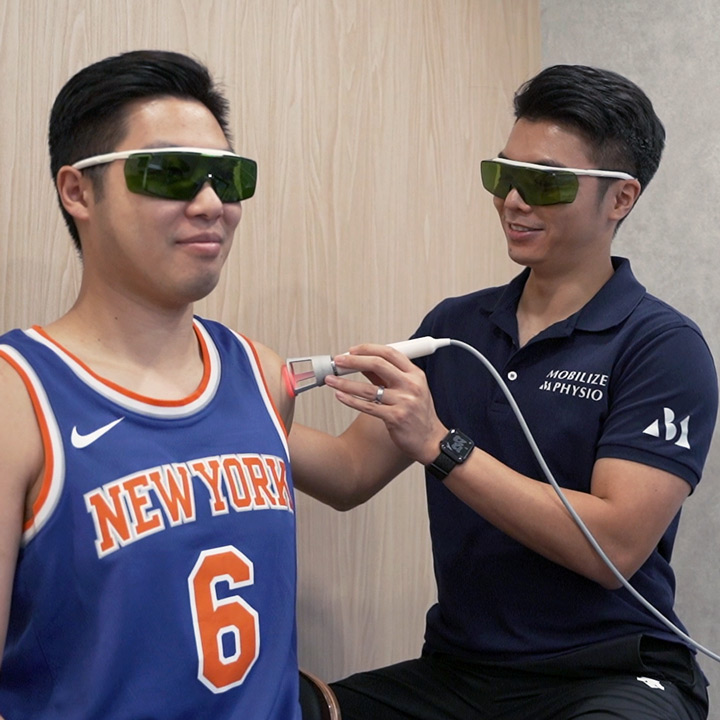
During the acute phase, we may utilize Interferential Current (IFC) Therapy or Ultrasound to assist in reducing localized inflammation, promoting tissue healing, and blocking pain signals. This allows you to begin active rehabilitation much sooner.
5. Professional Education & Counseling
We explain the pathophysiology of your injury to eliminate the fear of movement. Understanding that “pain does not always equal tissue damage” is a critical step in breaking the psychological barriers that lead to chronic pain.
Conclusion
Whiplash is more than just a temporary “stiff neck”; it is a complex injury that involves the delicate coordination of your nervous system, spinal joints, and supporting muscles. While the body has a remarkable ability to heal, the primary risk of Whiplash Associated Disorder is the development of chronic whiplash syndrome. When the initial pain leads to a fear of movement, the surrounding tissues can become permanently tight, and the brain may “rewire” itself to perceive pain even after the physical tissues have healed.
By seeking professional physiotherapy early—ideally within the first few weeks following a car accident or injury—you are not just treating symptoms; you are preventing the long-term changes in tissue and movement patterns that lead to years of discomfort. At Mobilize Physio, our goal is to empower you with the data, exercises, and manual care needed to move with confidence again.


Physiotherapy Service
Mobilize Physio is a physiotherapy center located in Hong Kong. Our team of professional physiotherapists provides high-quality, evidence-based pain treatment. Our services include sports injury treatment, pain management, post-surgery rehabilitation, and posture and body alignment correction.
Every patient is unique, and we believe that every treatment plan should be customized accordingly. Therefore, we focus on one-on-one service to ensure that each patient receives personalized attention and specialized care. Contact us today to learn more about our physiotherapy services.
Latest Blog Posts

5 Exercises to Strengthen Your Hidden Core | The Gold Standard: Why Physiotherapy is the First Line of Defence for Women’s Pelvic Health

Say Goodbye to the “Slouch”: A Guide to Understanding and Fixing Rounded Shoulders
The Road to Recovery: Understanding Whiplash and Early Intervention
The Science of Precision Recovery: How Force Plate Technology is Transforming Physiotherapy

Waking Up Dizzy? Understanding BPPV vs. Cervicogenic Dizziness: A Comprehensive Guide to Diagnosis and Recovery

How to Heal a Sprained Ankle: 4 Best Rehab Exercises to Prevent Re-injury