Common Conditions
Neck Pain
Symptoms, Common Causes and Treatments

What is Neck Pain?
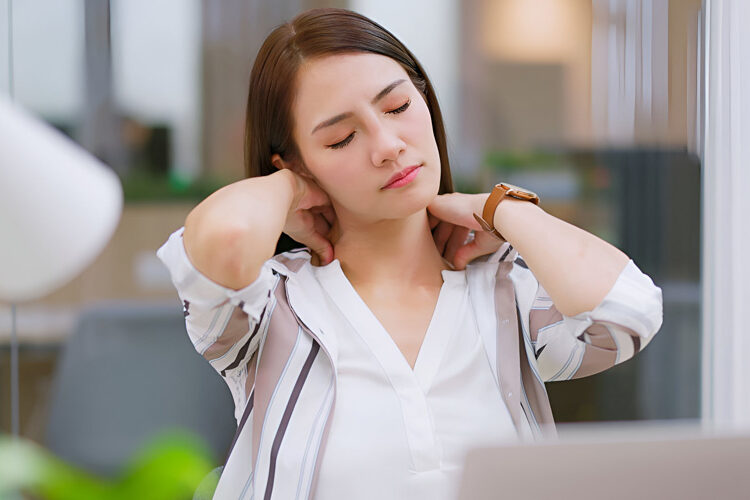
As one of the most common musculoskeletal disorders, affecting up to two-thirds of people at some point in their lives. Besides psychosocial factors like depression and anxiety, one of the risk factors is having a prolonged static posture leading to strained muscles, ligaments, joints etc. Strained soft tissues may lead to tightness, pain, and restricted movement of the neck.
Common Causes of Neck Pain
Lifestyle and Postural Factors
Prolonged poor posture is the leading cause of both acute and chronic neck pain. Modern reliance on electronic devices often leads to poor postural habits such as "forward head posture" (turtle neck) and rounded shoulders. When the head is tilted forward excessively, the cervical spine and surrounding muscles must support several times the normal weight of the head, leading to muscle strain and overstretched ligaments. Additionally, poor sleeping positions or using a pillow of inappropriate height can prevent neck muscles from relaxing at night, triggering acute neck muscle spasms commonly known as a "stiff neck."
Mechanical and Structural Factors
With age or long-term wear and tear, the structures of the cervical spine undergo degenerative changes. Common mechanical causes include cervical osteoarthritis (formation of bone spurs), herniated discs, and spinal stenosis. When the cartilage of a spinal disc wears down or bulges, it can compress nearby nerve roots, causing pain to radiate from the neck down to the shoulders, arms, or even fingers, often accompanied by numbness or weakness. These structural issues typically require professional physiotherapy intervention to relieve nerve compression and restore joint mobility.
Psychological and Stress Factors
Psychological factors play a significant role in the onset and persistence of neck pain. Long-term mental stress, anxiety, and depression can keep the body in a state of high tension, causing muscles in the neck and shoulders (such as the trapezius and levator scapulae) to contract involuntarily. This continuous muscle tension not only causes direct pain but also lowers the body's pain tolerance, turning what might have been mild neck discomfort into chronic pain.