Common Conditions
Rounded Shoulders
Symptoms, Common Cause and Treatments
Understanding Rounded Shoulders
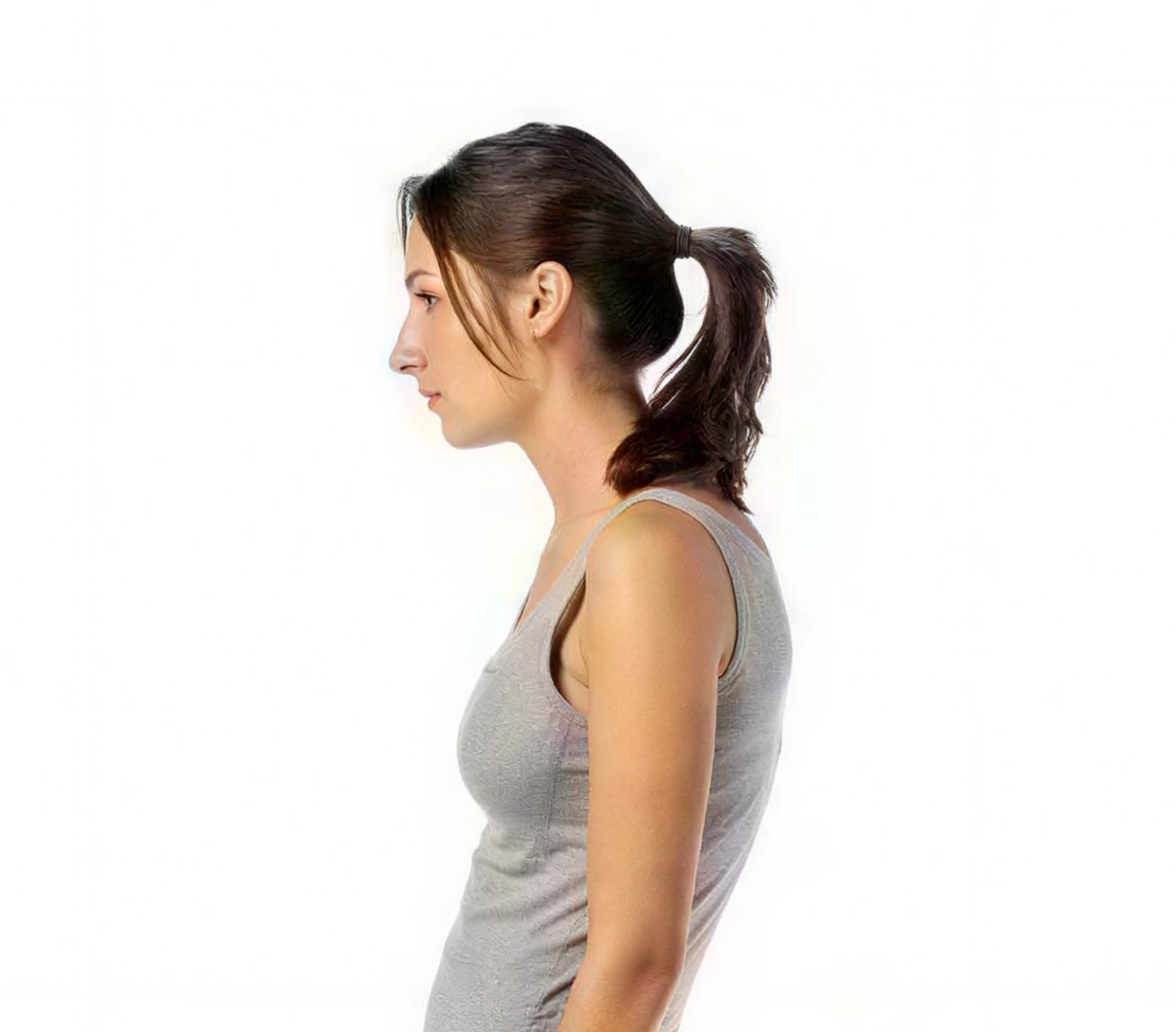
Rounded shoulders is a common postural deviation characterized by the shoulders rolling forward and inward, with the shoulder blades (scapulae) protracting and internally rotating. From a side view, the shoulders appear rounded, the chest may look sunken, and the upper back might appear hunched (kyphotic). This posture not only affects appearance but also leads to muscular imbalances in the shoulder and neck, potentially triggering a range of pain and functional limitations.
From a biomechanical perspective, rounded shoulders alter the normal movement patterns of the shoulder blades (scapular dyskinesis), increasing stress on the shoulder joints and affecting the alignment of the cervical and thoracic spine. Over time, this can cause certain muscles to become overstretched and weak (e.g., rhomboids, lower trapezius), while others become tight and shortened (e.g., pectoralis minor, pectoralis major, levator scapulae), creating a vicious cycle.
Symptoms of Rounded Shoulders
Beyond the cosmetic impact, individuals with rounded shoulders frequently experience the following symptoms:
- Neck & Shoulder Pain: Chronic tension causes persistent soreness and stiffness, particularly around the upper trapezius, back of the neck, and between the shoulder blades.
- Headaches & Dizziness: Tight muscles can compress occipital nerves or restrict blood flow to the head, triggering tension headaches or dizziness.
- Arm Numbness or Weakness: Advanced cases can cause Thoracic Outlet Syndrome, pinching nerves and blood vessels to trigger numbness or tingling down the arms and fingers.
- Chest Tightness & Shallow Breathing: The hunched posture restricts rib cage expansion, leading to a tight chest feeling and shallower, less efficient breathing.
- Restricted Shoulder Motion: Misaligned shoulder blades limit overhead reach and rotation, increasing the risk of shoulder impingement or frozen shoulder.
Common Causes of Rounded Shoulders
Rounded shoulders typically result from a combination of factors:
- Prolonged Poor Posture: Looking down at phones or hunching over screens and desks shortens chest muscles and weakens back muscles over time.
- Muscular Imbalances: Tight chest muscles (pectoralis major/minor) pull the shoulders forward, while weak upper back muscles fail to pull the shoulder blades back.
- Weak Core & Back Muscles: A lack of exercise leaves the spine and torso without enough structural support, increasing the likelihood of slouching.
- Poor Sleeping Posture: Sleeping on your stomach or on your side with your arms curled inward reinforces the rounded position.
- Psychological Stress: Chronic stress triggers unconscious shoulder shrugging and back hunching, hardening into poor posture over time.