MOBILIZE 物理治療中心

Common Conditions

Plantar Fasciitis

Symptoms, Common Causes and Treatments
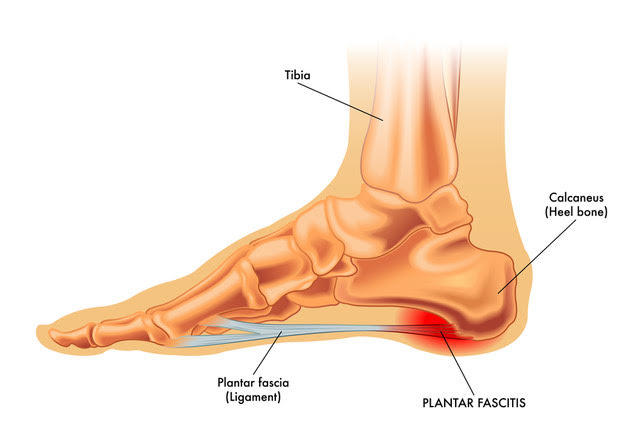
Understanding Plantar Fasciitis

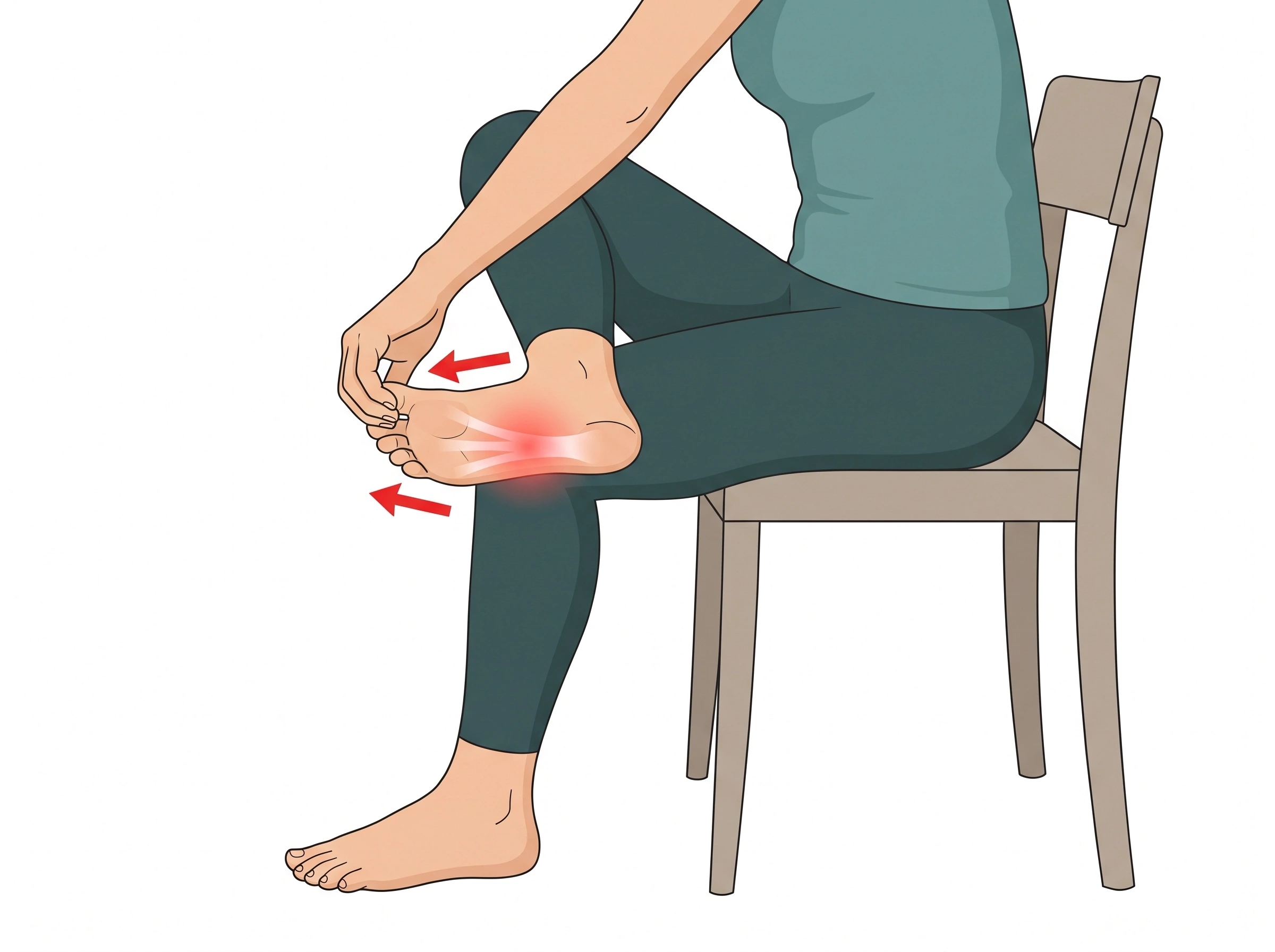
Plantar fasciitis, also known as plantar fasciopathy, is defined as the inflammation of a thick fibrous tissue in the bottom of the foot called plantar fascia. This is one of the most common types of heel pain. The plantar fascia originates from the heel bone (calcaneus), and attaches to the balls of the foot (heads of metatarsals), forming the medial longitudinal foot arch. Many of the toe and foot muscles also attach to the plantar fascia.

Being one of the strongest fibrous tissues in the body, the plantar fascia serves an important role in absorbing shock as we land and releasing the stored energy as we take off.

Causes of Plantar Fasciitis

Plantar fasciitis is usually caused by overuse with an insidious and gradual onset. Activities that require repetitive stretching and shortening of the plantar fascia, such as running or ballet, are likely to trigger the inflammation.

People that are more susceptible to getting plantar fasciitis have the following risk factors:

  • Aged between 40 to 60;
  • Regularly participate in activities that load up the plantar fascia;
  • Reduced ankle dorsiflexion or big toe extension range of motion;
  • Obesity;
  • Improper or lack of supportive footwear;
  • Low or abnormally high foot arches.

Symptoms

The classic sign of plantar fasciitis is pain with the first few steps after resting. The pain is most focal on the inside of the heel. It usually settles after warming up. Associated symptoms include tightness in the calf muscle and Achilles tendon, and increased pain with barefooted walking.

✅ Morning heel/arch pain that eases after walking for 3-5 minutes
✅ Tenderness when pressing on the heel
✅ Pain worsens after prolonged sitting or standing
✅ Aggravated by high-impact activities: E.g. Running, jumping rope, basketball sudden stops
✅ Reduced foot mobility, affecting squatting or kneeling
✅ Intermittent sharp pain: When standing up after sitting, climbing stairs

Plantar Fasciitis Severity Scale
Severity Pain Characteristics Recommended Solution
Mild Morning pain only, no discomfort during daily activities Home stretches + ice therapy
Moderate Pain after standing for 2+ hours physical therapy intervention
Severe Persistent pain affecting walking physical therapy intervention
Plantar Fasciitis Severity Scale
Severity Pain Characteristics Recommended Solution
Mild Morning pain only, no discomfort during daily activities Home stretches + ice therapy
Moderate Pain after standing for 2+ hours physical therapy intervention
Severe Persistent pain affecting walking physical therapy intervention

Physical Therapy for Plantar Fasciitis

Plantar fasciitis is usually a result of a biomechanical issue. A thorough examination is required to identify the root cause of the problem, such as weakness around the knee or hip joint, or the lack of ankle dorsiflexion which results in the overloaded plantar fascia.

Treatment techniques used at Mobilize for plantar fasciitis include:

Manual Therapy

Joint mobilisation could be performed to subtalar or talocrual joints for foot and ankle mobility, as well as soft tissue therapy on foot intrinsic muscles and calf;

Electrical Modalities

Shockwave therapy, high energy inductive therapy and high energy laser therapy are common modalities used to relieve plantar heel pain;

Dry Needling

Acupuncture techniques on plantar fascia and intrinsic foot muscles could be used for pain relief;

Exercise therapy

Therapeutic exercises targeting proprioception, ankle/foot/toe mobility, and specific strengthening are prescribed for fulfilling the functional needs of the individual;

Prescription of Insoles

prefabricated insoles could be fitted into the shoes to enhance cushioning and arch support for temporary pain relief. At Mobilize, we could also arrange podiatry services for customized insoles;

Taping

Specific taping techniques could be taught to arch support in sports.

Plantar Fasciitis (Heel Pain) Relief Exercises

I. Acute Phase Exercises (When Pain Is Severe)

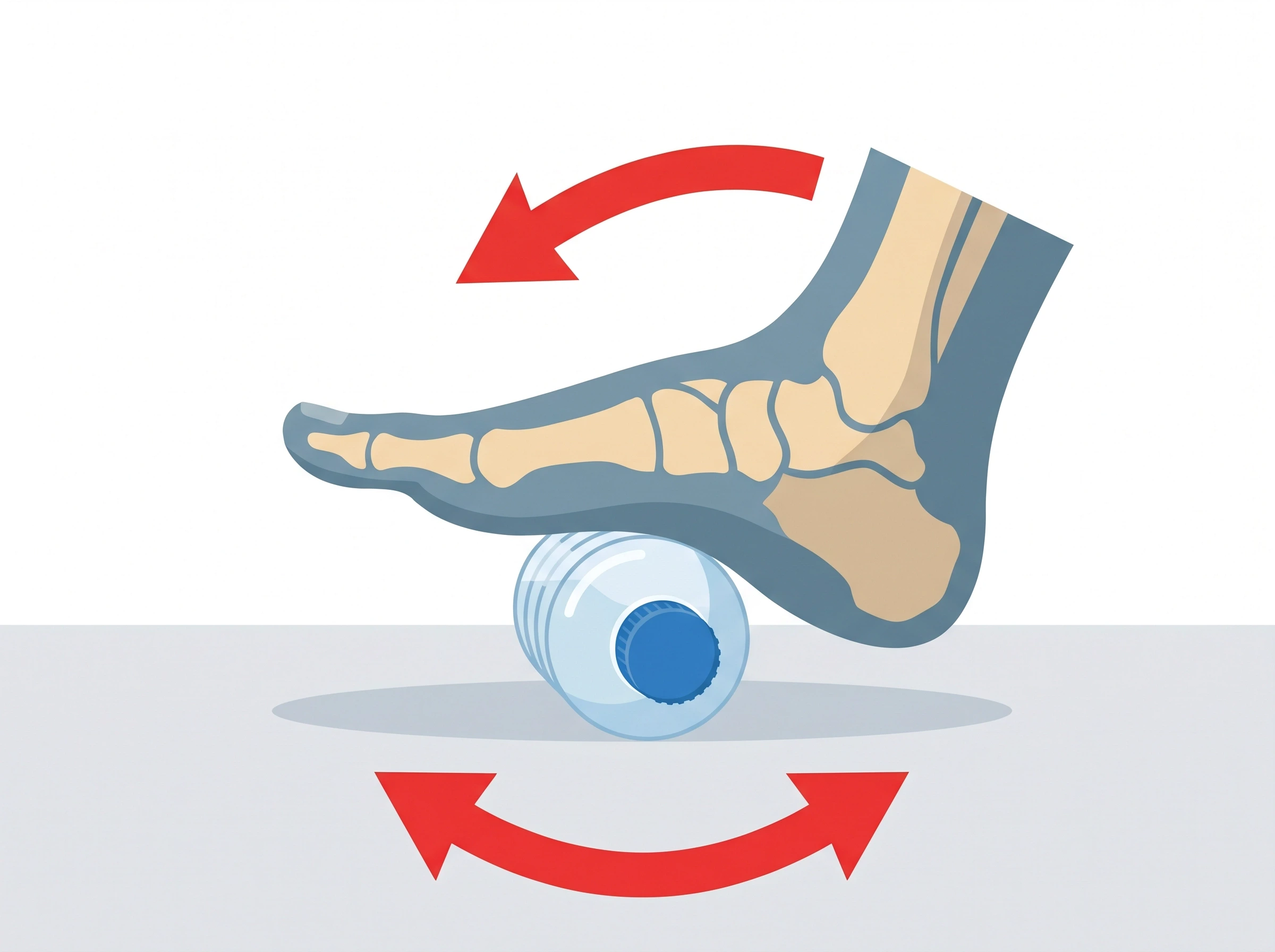
  • Ice Roll Massage
    • How to do it: Roll a frozen water bottle underfoot for 5 minutes.
    • Benefits: Reduces inflammation + loosens fascia.
    • Frequency: 3–4 times daily (especially beforemorning steps).
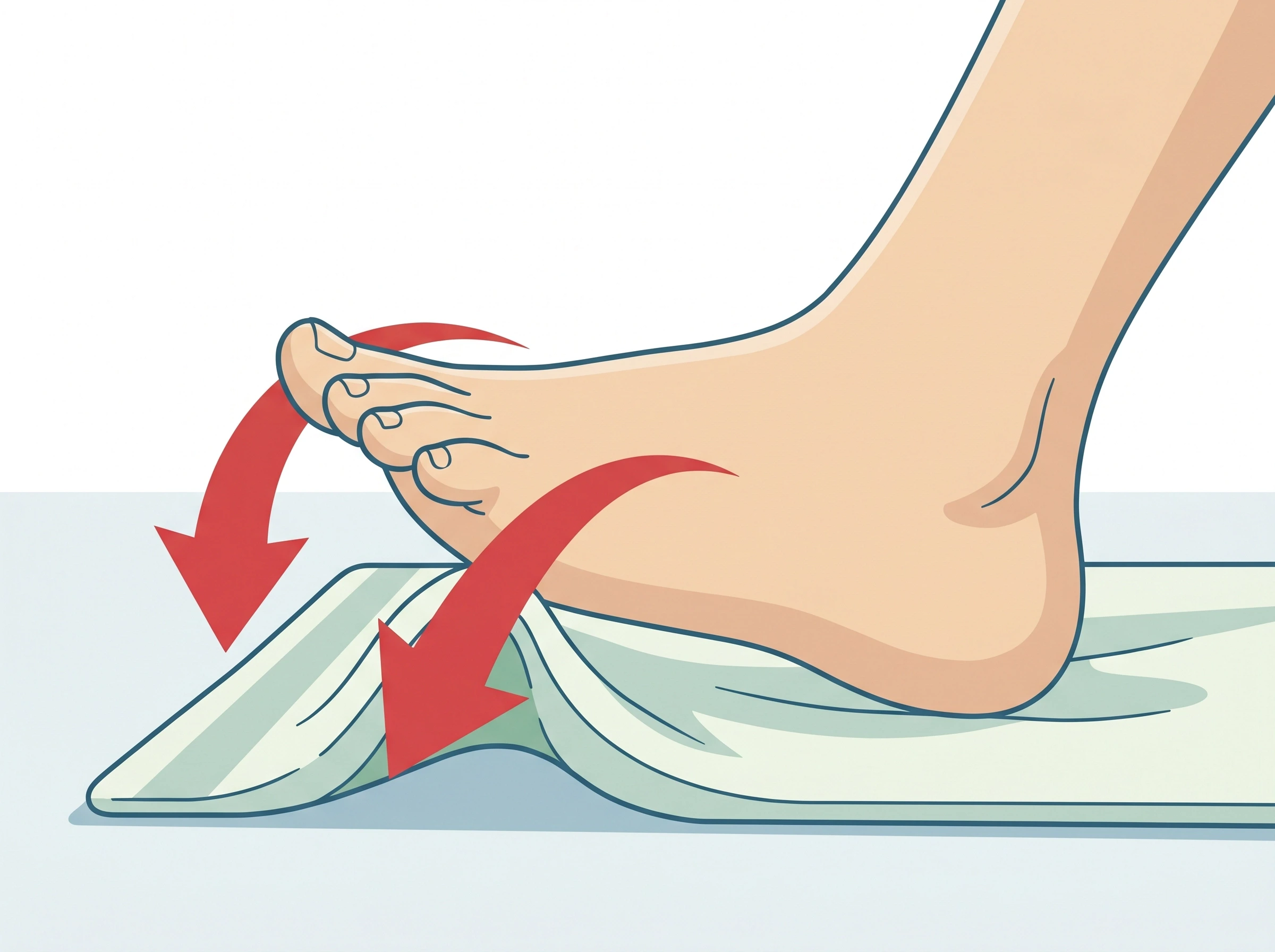
  • Towel Stretch
    • Steps:
      1. Sit with legs straight.
      2. Loop a towel around your forefoot and gently pull toward you.
      3. Hold 15–30 seconds; repeat 5 times.

II. Chronic Phase Strengthening (After Pain Subsides)

  • Stair Calf Raise
    • Technique:
      • Stand on a step with heels off the edge.
      • Slowly raise heels, then lower belowstep level.
    • Benefits: Strengthens intrinsic foot muscles.
  • Resistance Band Arch Training
    • Steps:
      1. Sit with a band around your forefoot.
      2. Pull toes upward against the band’s resistance.
      3. 15 reps/set, 3 sets daily.

III. Advanced Prevention (To Avoid Recurrence)

  • Single-Leg Balance
    • Stand on one foot on a soft mat (use wall for support).
    • Advanced: Close eyes or hold light weights.
  • Lower Body Myofascial Release
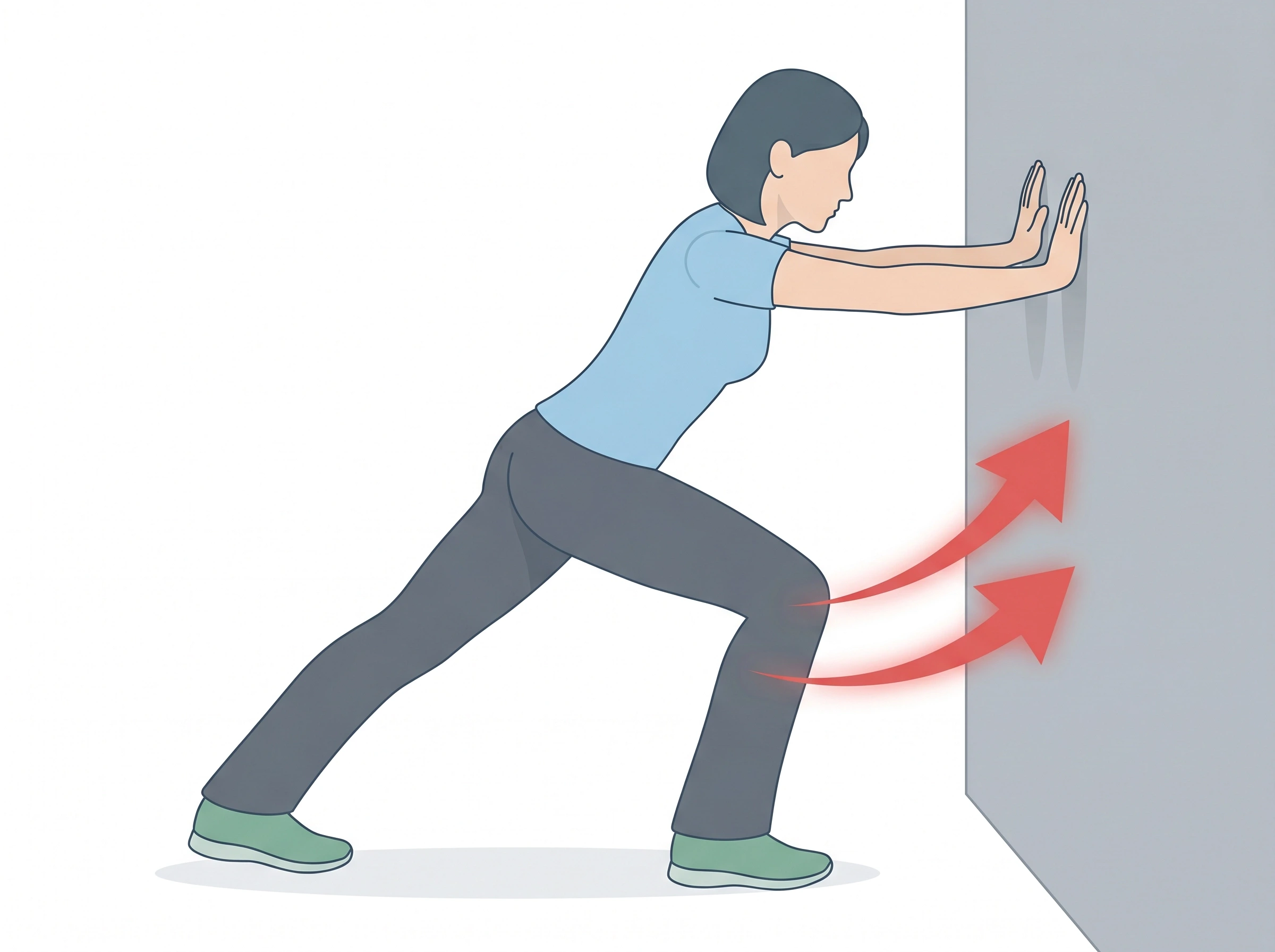
    • Use a foam roller on calves, hamstrings, and glutes.

Frequently Asked Questions

Despite plantar fasciitis being one of the most common causes of heel pain, conditions like heel fat pad atrophy, calcaneal stress fractures, and nerve entrapments may show similar presentation. Differential diagnosis requires detailed physical examination by physiotherapists. 

The recovery timeline for plantar fasciitis can vary, but with proper plantar treatment and adherence to the recommended therapies, most patients experience significant improvement within 4-8 weeks. In more severe or complex cases, the treatment may take longer.

Yes, adopting preventive measures such as maintaining a healthy weight, wearing supportive footwear, performing regular foot and calf stretches, and avoiding high-impact activities can help reduce the risk of developing plantar fasciitis.

The plantar fascia contracts overnight. When you take your first steps, this sudden stretching irritates the inflamed tissue. Pain typically lessens as movement improves blood circulation.

Mild cases may improve with rest, but without proper treatment, it can become chronic and potentially lead to heel spurs.

Avoid high-impact activities (running/jumping). Switch to:
• Swimming
• Cycling (adjust seat height to reduce foot pressure)
• Yoga (avoid poses that overstretch the foot arch)

Testimonials & Reviews

Excellent service. The physiotherapists are very professional, easy to communicate with and also give clear instructions on some home exercises that can help ease my pain.

As a stay at home mom, I need a lot of strength on my daily routine and whenever I have any pain and problems I go to Avery for therapies and he is always helpful and caring Highly recommended!
Samantha Lee
⭐ ⭐ ⭐ ⭐ ⭐
Got my new shoes and got my ankles sprained… after a few sessions with Mobilize Physio I was immediately able to walk properly without having to worry. Proper recovery exercise and routine was reccemend for me to heal faster.

I cannot give Avery a better shoutout than leaving an honest review here 😄😄
Samuel Chan
⭐ ⭐ ⭐ ⭐ ⭐
I had never been a believer in physio therapy in the past or that my experience with multiple chain medical physiotherapy center had brought me nothing but temporary improvements. Until I had came across mobilize physiotherapy where they take the extra mile to examine your situation and tailor a physiotherapy session. The physiotherapists at Mobilize not only identifies the root cause and provide massages for pain relievers but also to provide take home exercises for improvements. I was never rush out the door for the next session and they ensure that I had receive the right treatment before the session ends.
I would highly recommend this physiotherapy center.
Edmond Chan
⭐ ⭐ ⭐ ⭐ ⭐
Will was very professional. He was very thorough with the assessment and suggested different exercises for me to improve my condition. Recommended 👍🏾
Keith So
⭐ ⭐ ⭐ ⭐ ⭐
I can't recommend my physio partner enough! They are always patient and provide valuable guidance to help me relieve chronic pain and improve my performance in jiu-jitsu. Their expertise has been invaluable to me. Highly recommended!
Felix Kung
⭐ ⭐ ⭐ ⭐ ⭐
Very professional therapy that doesn't only focus on passive treatment but also targets training of weak spots to improve overall performance and physiological sustainability.
Felix Lo
⭐ ⭐ ⭐ ⭐ ⭐

Book an Appointment

Get in touch with our physiotherapists