
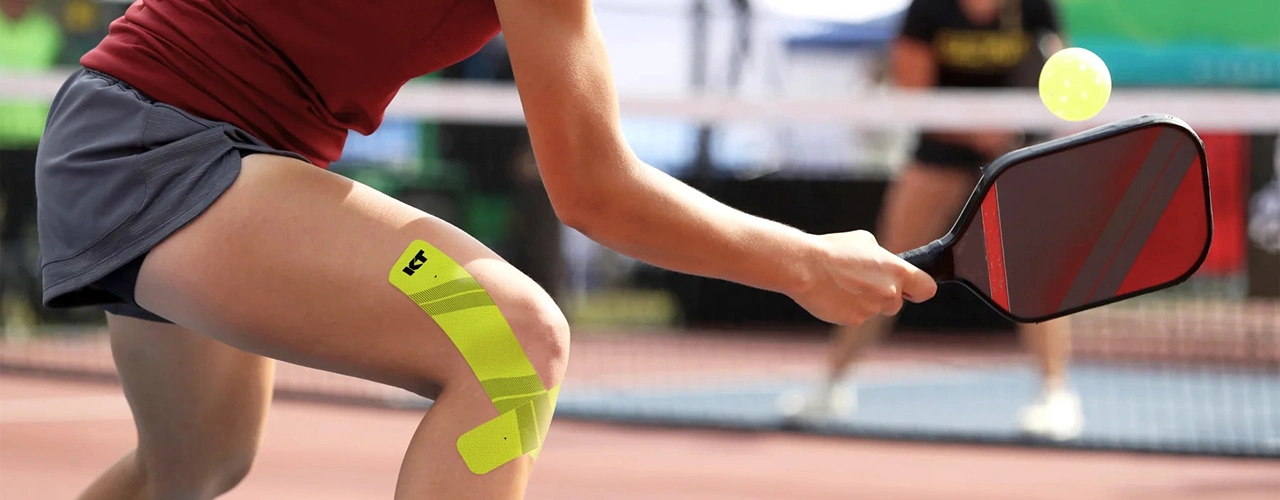
Pickleball has taken Hong Kong by storm, evolving from a casual community pastime into a highly competitive sport. While it is often praised for being more accessible than tennis, its unique combination of low-center-of-gravity movements, high-frequency rallies, and rapid directional changes places significant demands on the joints and soft tissues.
At our clinic, we have seen a noticeable surge in pickleball-related injuries. This article explores the biomechanics of the 5 most common injuries and explains how physiotherapy transitions a player from “pain management” to “functional restoration,” ensuring a strong return to the court.
Table Of Content
What is Pickleball?
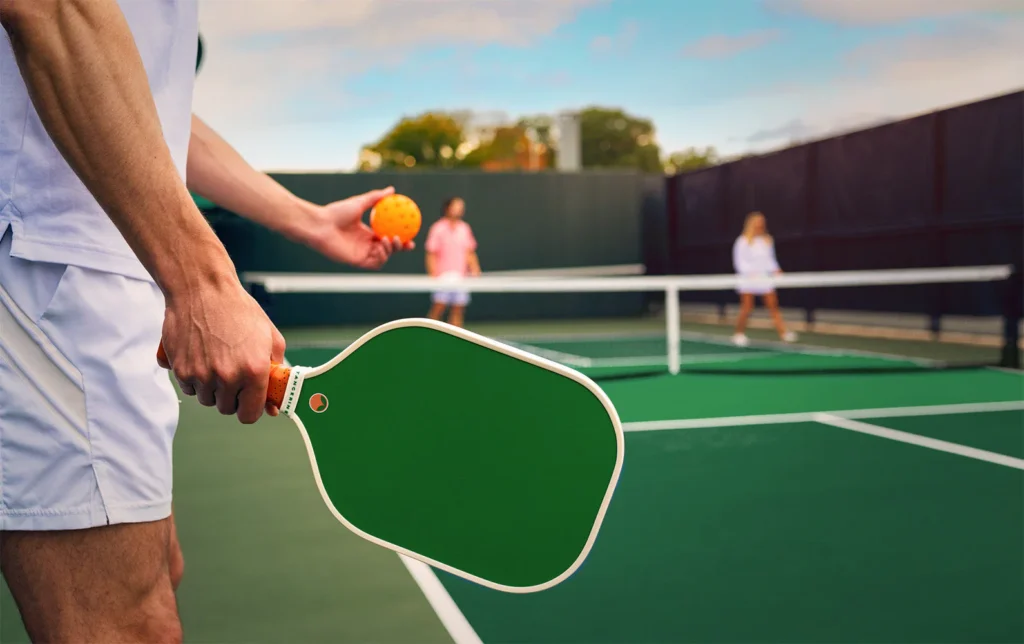
Pickleball is often described as a hybrid of tennis, badminton, and table tennis. It is played on a court approximately one-fourth the size of a standard tennis court, using a solid composite paddle and a perforated plastic ball. While the smaller court makes it accessible for all ages, the unique biomechanics of the game can lead to specific Pickleball injuries if players are not properly prepared.
Why the High Injury Rate?
Despite its reputation as a “low-impact” sport, many players especially those in Hong Kong’s competitive amateur scene, are seeing a rise in acute and chronic pain.
Here are the primary reasons why Pickleball can be physically demanding:
1. Explosive Multi-Directional Movement
Unlike the long-distance running required in tennis, Pickleball is a game of explosive, short-distance bursts. The small court leads to faster ball speeds and higher volley frequencies. This constant “start-stop” movement puts immense pressure on the Achilles tendon, calves, and ankles, making sprains a common occurrence.
2. Overcompensation & Poor Mechanics
Because a Pickleball paddle is shorter than a tennis racket, players often lack leverage. To compensate for power, beginners frequently:
- Flick the wrist: Leading to Tennis Elbow (Lateral Epicondylitis).
- Overuse small shoulder muscles: Leading to Rotator Cuff strains instead of using the core for power.
3. The "Kitchen" Strain (Non-Volley Zone)
A significant portion of the game is played at the “Kitchen” line. To stay competitive, players must remain in a sustained low-squat position.
- Lower Back Pain: Prolonged crouching puts the lumbar spine under constant tension.
- Knee Strain: Deep lunging at the net can aggravate the meniscus or lead to patellar tendonitis.
4. Rapid-Fire Volleys & Reaction Time
Because the plastic ball is light and the court is compact, the pace of volleys is incredibly fast. This demands rapid-fire wrist and elbow reactions, which can lead to repetitive strain injuries (RSI) in the forearm and wrist.
5. Deceptive Intensity & Overtraining
The biggest risk factor is often deceptive intensity. Because the game “feels” easier than tennis, many players:
- Skip essential dynamic warm-ups.
- Play for several hours without rest, leading to acute muscle fatigue.
- Ignore minor aches until they become chronic injuries.
The 5 Most Common Pickleball Injuries
1. Rotator Cuff Tendinopathy (Shoulder)
The Rotator Cuff is a group of four muscles that stabilize the shoulder joint.
- The Mechanism: Unlike tennis, where the serve is overhead, Pickleball serves are underhand. However, the overhead smash and high volleys are still frequent.
- The Injury: Repetitive overhead reaching can cause Subacromial Impingement. This is where the tendons become pinched between the humerus and the acromion bone. You may feel a sharp pain when reaching behind your back or putting on a jacket.
This involves the Common Extensor Tendon on the outside of the elbow.
- The Mechanism: Many players use a “flick” motion with their wrist to generate spin or power. This puts immense load on the tendons that attach to the elbow.
- The Injury: The repetitive vibration from the hard paddle hitting the plastic ball creates micro-tears in the tendon. If left untreated, the tendon can undergo angiofibroblastic degeneration (thickening and weakening of the tissue), making even holding a cup of coffee painful..
The Meniscus acts as a shock absorber, while the MCL (Medial Collateral Ligament) prevents the knee from collapsing inward.
- The Mechanism: Pickleball requires constant “dinking” (soft shots) which necessitates deep crouching, followed by sudden lateral lunges to cover the line.
- The Injury: Forceful twisting while the foot is planted (pivoting) can tear the meniscus. You might experience swelling, a “catching” sensation, or an inability to fully straighten your leg.
This usually affects the ATFL (Anterior Talofibular Ligament) on the outer ankle.
- The Mechanism: The “shuffling” movement at the kitchen line is the primary culprit. If a player’s center of gravity moves outside their support base while moving sideways, the ankle can roll.
- The Injury: A Grade I sprain involves stretching, while Grade III involves a full rupture. Crucially, even a minor sprain damages the proprioceptors (nerve endings) in the joint, making you 5x more likely to sprain it again without proper rehab.
The TFCC is a cartilage structure on the pinky-side of the wrist, while De Quervain’s affects the thumb-side tendons.
- The Mechanism: Fast-paced volleys require a “stiff” wrist to block the ball, but many players use excessive “wristiness” to compensate for poor footwork.
- The Injury: Repetitive ulnar deviation (tilting the wrist toward the pinky) can wear down the TFCC, causing a dull ache and a loss of grip strength.
The Role of Physiotherapy in Recovery
Physiotherapy is the bridge between “resting an injury” and “returning to the court stronger.” Our approach includes:
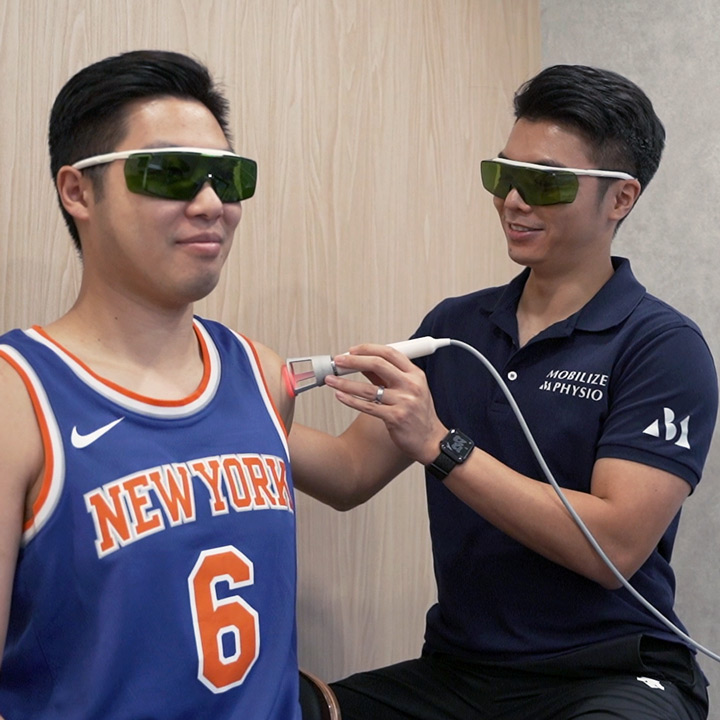
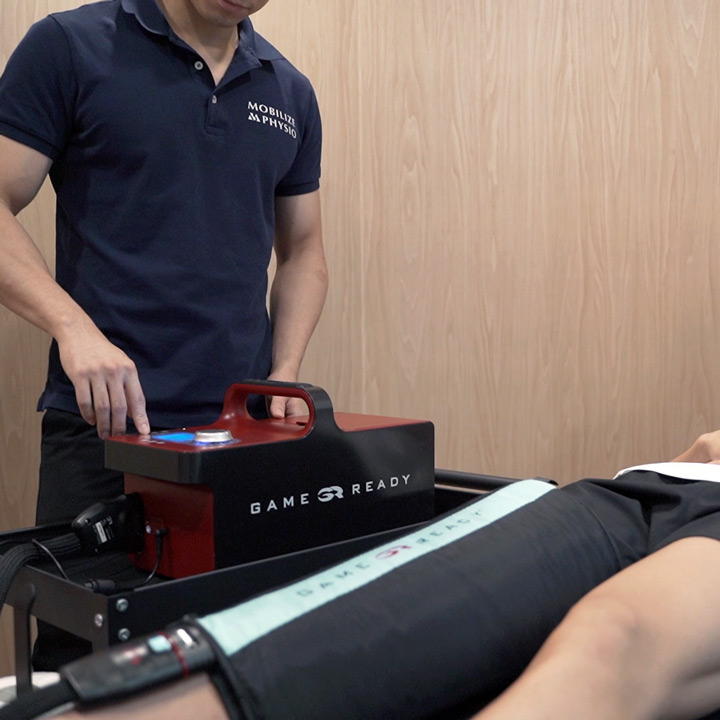
- Pain & Inflammation Management: Using modalities like Shockwave Therapy or High-Power Laser to stimulate blood flow and cellular repair in stubborn tendons.
- Biomechanical Correction: We don’t just look at the elbow; we check if your shoulder or core is weak, forcing your elbow to do extra work.
- Neuromuscular Re-education: Training your brain to “talk” to your muscles faster so your body can react to a miss-step before an injury occurs.
Preventative Measures
- The 8-Minute Dynamic Warm-Up: Include leg swings, arm circles, and “monster walks” (side steps with a resistance band).
- Strength Training: Focus on eccentric strengthening (the lowering phase of an exercise) for the forearms and calves to build tendon resilience.
- Footwork over Handwork: Move your feet to the ball rather than reaching and “flicking” your wrist.
- Proper Footwear: Do not wear running shoes; use “Court Shoes” designed for lateral support to prevent ankle rolls.
Conclusion
Pickleball is a lifetime sport, but it requires a body that can handle the specific stresses of the game. If you are experiencing nagging pain that won’t go away, don’t wait for it to become chronic.
At Mobilize Physio, we specialize in sports recovery. Let us help you identify the root cause of your pain so you can get back to the game you love.

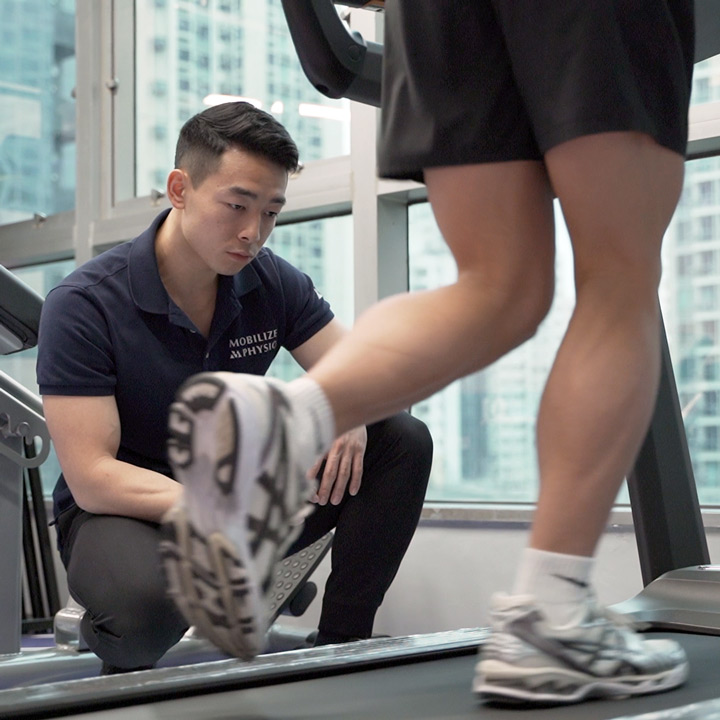
Physiotherapy Service
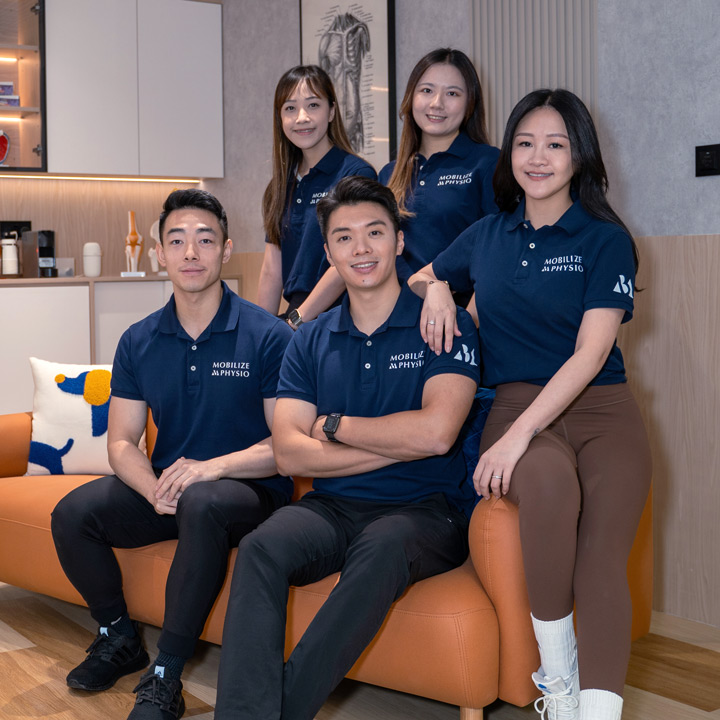
Mobilize Physio is a physiotherapy center located in Hong Kong. Our team of professional physiotherapists provides high-quality, evidence-based pain treatment. Our services include sports injury treatment, pain management, post-surgery rehabilitation, and posture and body alignment correction.
Every patient is unique, and we believe that every treatment plan should be customized accordingly. Therefore, we focus on one-on-one service to ensure that each patient receives personalized attention and specialized care. Contact us today to learn more about our physiotherapy services.
Latest Blog Posts
5 Exercises to Strengthen Your Hidden Core | The Gold Standard: Why Physiotherapy is the First Line of Defence for Women’s Pelvic Health

Say Goodbye to the “Slouch”: A Guide to Understanding and Fixing Rounded Shoulders
The Road to Recovery: Understanding Whiplash and Early Intervention
The Science of Precision Recovery: How Force Plate Technology is Transforming Physiotherapy
Waking Up Dizzy? Understanding BPPV vs. Cervicogenic Dizziness: A Comprehensive Guide to Diagnosis and Recovery
How to Heal a Sprained Ankle: 4 Best Rehab Exercises to Prevent Re-injury