
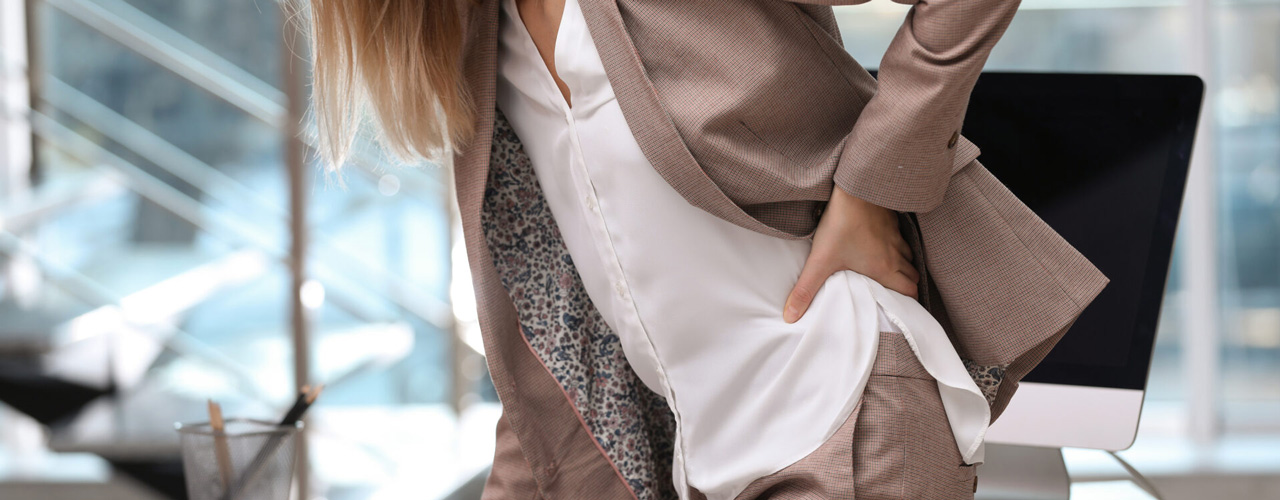
Lower back pain, also known as lumbago, is a prevalent condition that affects people of all ages and backgrounds. It can range from mild discomfort to severe, debilitating pain, impacting daily activities and quality of life. Understanding the causes of lower back pain is essential for effective management and prevention strategies.
This comprehensive guide explores various factors contributing to lower back pain relief, including common conditions such as muscle strain and herniated discs, as well as less frequent causes like spinal stenosis and osteoarthritis. By examining diagnosis methods, treatment options, prevention strategies, and when to seek medical attention, individuals can empower themselves to proactively address and alleviate lower left back pain.
Table Of Content
Common Causes of Lower Back Pain
Muscle Strain and Sprains
One of the primary causes of lower back pain is muscle strain, often due to overexertion, improper lifting techniques, or sudden movements. When muscles and ligaments are stretched or torn, it can lead to inflammation and pain. Lower back pain relief typically involves rest, ice application, and gradual reintroduction of activity along with back exercises to strengthen supporting muscles and prevent re-injury.
A herniated disc, also referred to as a slipped or ruptured disc, occurs when the soft inner material of a spinal disc protrudes through its outer layer. This can irritate nearby nerves, causing lower left back pain, numbness, or tingling sensations that radiate down the legs. Treatment may include medications for pain and inflammation, physical therapy to improve spinal flexibility and strength, or in severe cases, surgical intervention to alleviate pressure on the affected nerves.
Degenerative Disc Disease
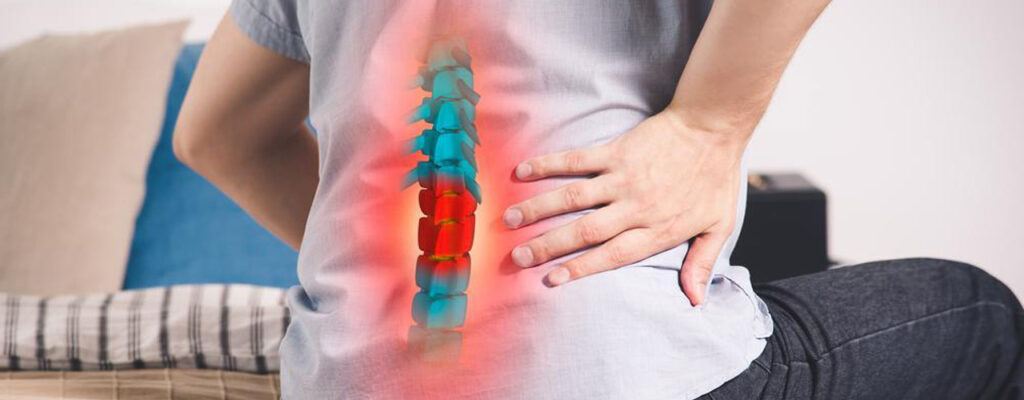
Over time, the discs between vertebrae can naturally degenerate, losing their elasticity and ability to cushion the spine. This condition, known as degenerative disc disease, can lead to chronic lower back pain and stiffness, particularly in older adults. Management strategies often focus on lower back pain relief through gentle exercises, pain management techniques, and lifestyle modifications to maintain spinal health and mobility.
Spinal Stenosis
Spinal stenosis refers to the narrowing of the spinal canal, which can compress the spinal cord and nerve roots. This compression can cause pain, numbness, or weakness in the lower back and legs, exacerbated by standing or walking for extended periods. Treatment options range from conservative approaches such as medications and physical therapy to more invasive procedures like spinal decompression surgery to alleviate pressure on the nerves and restore mobility.
Spondylolisthesis
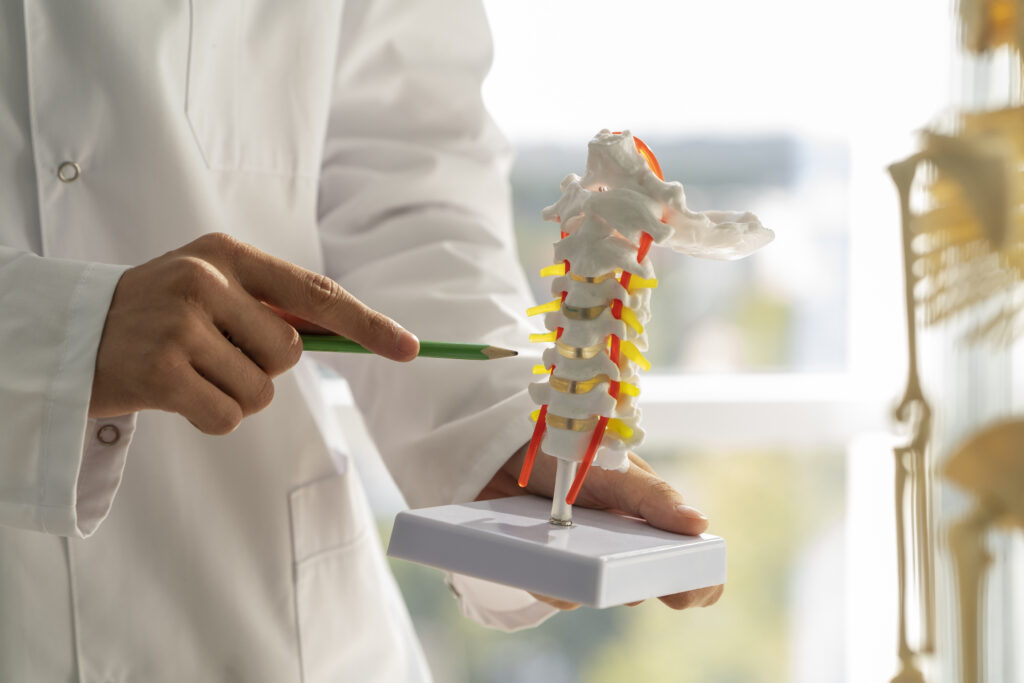
This condition occurs when a vertebra slips out of its normal alignment, typically forward or backward, causing lower back pain and potentially compressing nearby nerves. Lower back pain relief for spondylolisthesis often involves physical therapy exercises to strengthen the core muscles and stabilize the spine. In some cases, surgical intervention may be necessary to realign the vertebrae and relieve pressure on the nerves.
Osteoarthritis
Osteoarthritis in the spine occurs when the cartilage that cushions the joints between vertebrae breaks down over time, leading to pain, stiffness, and reduced mobility. Treatment focuses on managing symptoms through medications, physical therapy to improve joint function and flexibility, and lifestyle modifications such as weight management and ergonomic adjustments to minimize strain on the spine.
Less Common Causes and Medical Conditions
Traumatic Injuries
Accidents falls, or sports-related injuries can cause fractures, sprains, or strains in the lower back, resulting in acute back pain. Immediate medical evaluation is crucial to assess the extent of the injury and initiate appropriate treatment, which may include rest, immobilization with bracing, physical therapy, or surgical intervention for severe cases.
Other Medical Conditions
Less common causes of lower back pain include infections, tumors, or structural abnormalities such as scoliosis or spinal tumors. These conditions require specialized diagnostic imaging, such as MRI or CT scans, to identify the underlying cause accurately. Treatment options depend on the specific condition and may include medications, chemotherapy or radiation for tumors, or surgical intervention for structural abnormalities.
Diagnosis of Lower Back Pain Causes
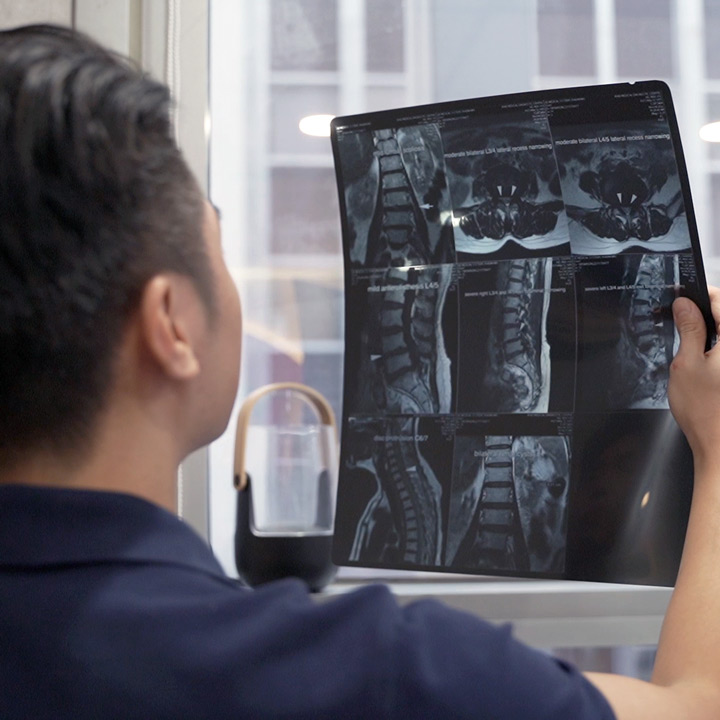
Accurate diagnosis of the causes of lower back pain is crucial for developing an effective treatment plan. Healthcare providers typically begin with a comprehensive medical history and physical examination to assess symptoms, range of motion, and any neurological deficits. Imaging studies such as X-rays, MRI, or CT scans may be ordered to visualize the spine and identify abnormalities such as herniated discs, spinal stenosis, or degenerative changes in the spine. Electromyography (EMG) or nerve conduction studies (NCS) may be performed to assess nerve function and identify areas of nerve compression or dysfunction.
Treatment Options
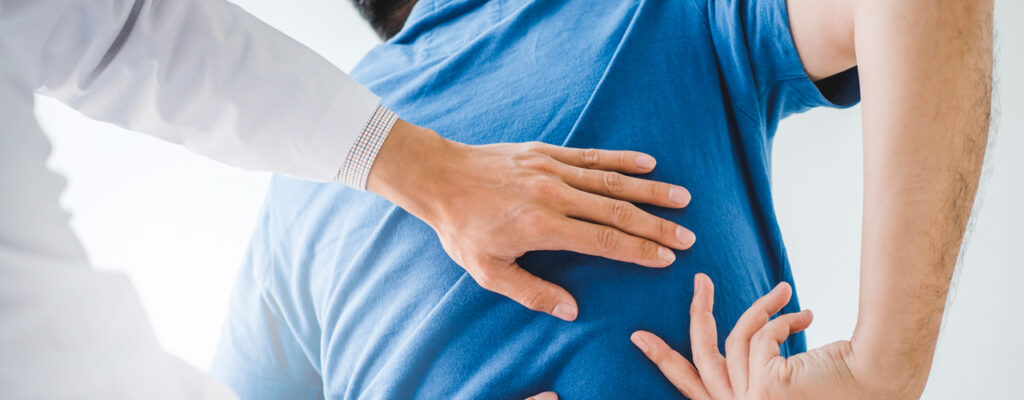
Treatment for lower back pain aims to alleviate symptoms, improve function, and prevent recurrence. Depending on the underlying cause and severity of symptoms, treatment options may include:
- Medications: Nonsteroidal anti-inflammatory drugs (NSAIDs), muscle relaxants, or analgesics to manage pain and inflammation.
- Physiotherapy: Tailored exercises to strengthen core muscles, improve flexibility, and correct posture to support the spine and reduce strain.
- Interventional Procedures: Epidural steroid injections or nerve blocks to reduce inflammation and alleviate pain in specific areas of the spine.
- Surgical Intervention: Reserved for cases where conservative treatments have not provided relief or in the presence of severe structural abnormalities requiring surgical correction, such as spinal fusion or discectomy.
Prevention Strategies
Preventing lower back pain involves adopting healthy lifestyle habits and ergonomic practices to protect the spine and minimize the risk of injury. Key prevention strategies include:
- Maintaining Proper Posture: Whether sitting, standing, or lifting objects, maintaining proper posture reduces strain on the spine and supporting muscles.
- Regular Exercise: Engaging in back exercises that strengthen core muscles, improve flexibility, and enhance spinal stability.
- Weight Management: Maintaining a healthy weight reduces stress on the spine and joints, decreasing the risk of degenerative changes and osteoarthritis.
- Ergonomic Adjustments: Using ergonomic furniture and tools, such as supportive chairs and adjustable desks, to promote neutral spine alignment and reduce strain during daily activities.
When to Seek Medical Attention
Knowing when to seek medical attention for lower back pain is essential to prevent complications and ensure timely treatment. Red flags that warrant immediate medical evaluation include:
- Severe or Persistent Pain: Intense or worsening lower back pain that does not improve with rest or over-the-counter medications.
- Radiating Pain: Pain that radiates down one or both legs, accompanied by numbness, tingling, or weakness in the legs or feet.
- Loss of Bladder or Bowel Control: Inability to control bladder or bowel function, which may indicate severe nerve compression requiring urgent medical intervention.
- Unexplained Weight Loss: Sudden or unexplained weight loss accompanied by lower back pain, which may indicate underlying medical conditions such as infection or malignancy.
Early diagnosis and intervention can significantly improve outcomes for individuals experiencing lower back pain, minimizing disability and restoring quality of life.

Outlook and Prognosis
The outlook for individuals with lower back pain varies depending on the underlying cause, severity of symptoms, and response to treatment. Many individuals experience significant improvement with conservative therapies such as medications, physical therapy, and lifestyle modifications. However, chronic conditions like degenerative disc disease or spinal stenosis may require ongoing management to control symptoms and prevent recurrence. Surgical interventions, when necessary, can provide relief and improve long-term outcomes for individuals with severe or persistent back pain.
Conclusion
Understanding the causes of lower back pain is crucial for effectively managing symptoms, preventing recurrence, and optimizing spinal health. By identifying specific conditions such as muscle strain, herniated discs, or spinal stenosis, individuals can take proactive steps to alleviate lower back pain and improve overall quality of life. Whether through non-surgical treatments like medications and physical therapy or surgical interventions when necessary, targeted approaches can enhance lower back pain relief and promote long-term well-being. Empowered with knowledge and guided by healthcare professionals, individuals can navigate lower back pain with confidence and resilience.

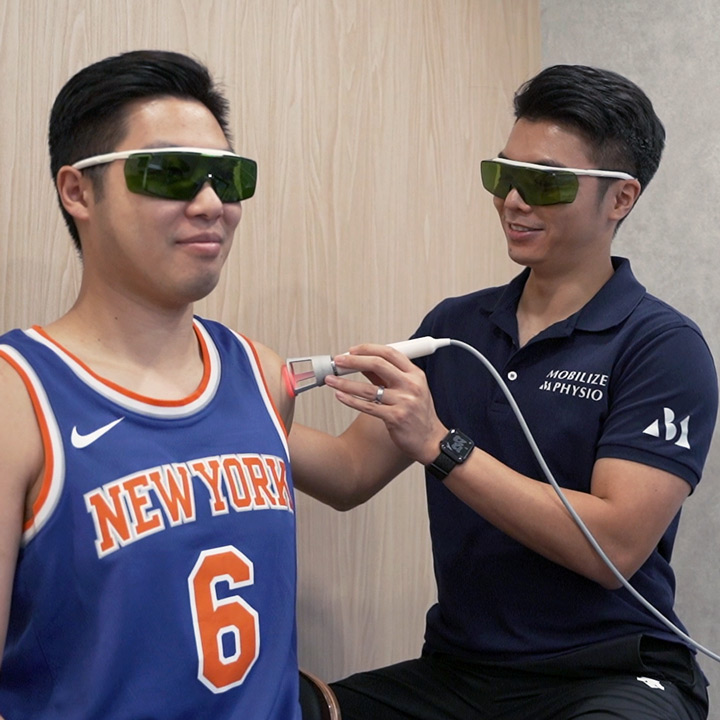
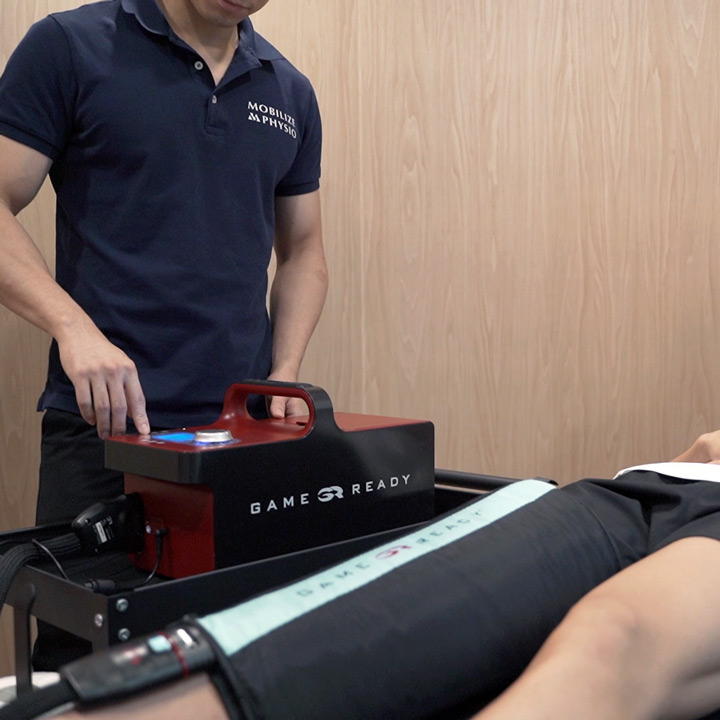
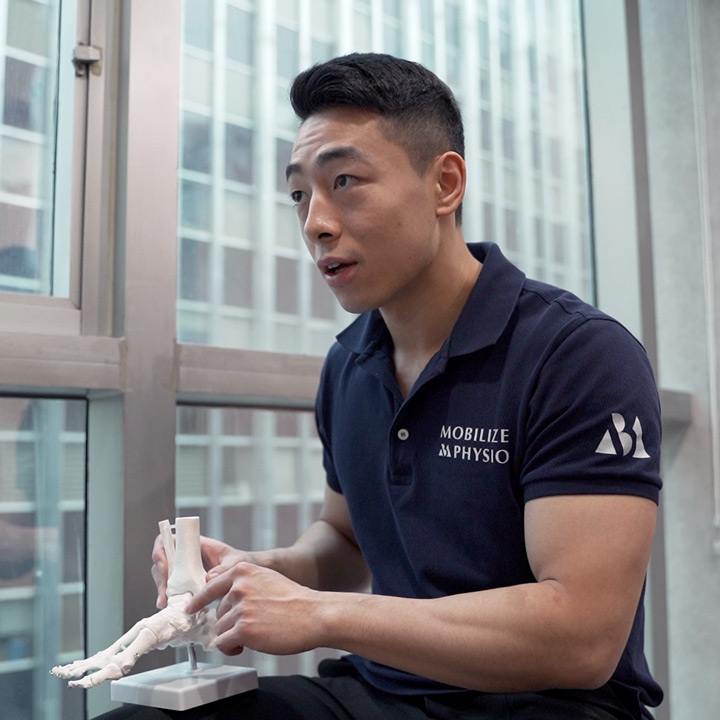

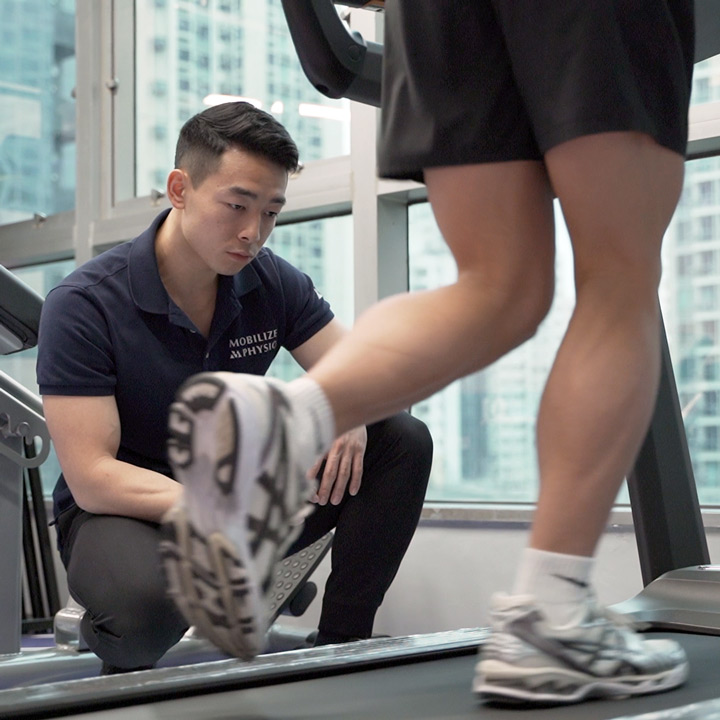
Physiotherapy Service
Mobilize Physio is a physiotherapy center located in Hong Kong. Our team of professional physiotherapists provides high-quality, evidence-based pain treatment. Our services include sports injury treatment, pain management, post-surgery rehabilitation, and posture and body alignment correction.
Every patient is unique, and we believe that every treatment plan should be customized accordingly. Therefore, we focus on one-on-one service to ensure that each patient receives personalized attention and specialized care. Contact us today to learn more about our physiotherapy services.
Latest Blog Posts

5 Exercises to Strengthen Your Hidden Core | The Gold Standard: Why Physiotherapy is the First Line of Defence for Women’s Pelvic Health

Say Goodbye to the “Slouch”: A Guide to Understanding and Fixing Rounded Shoulders
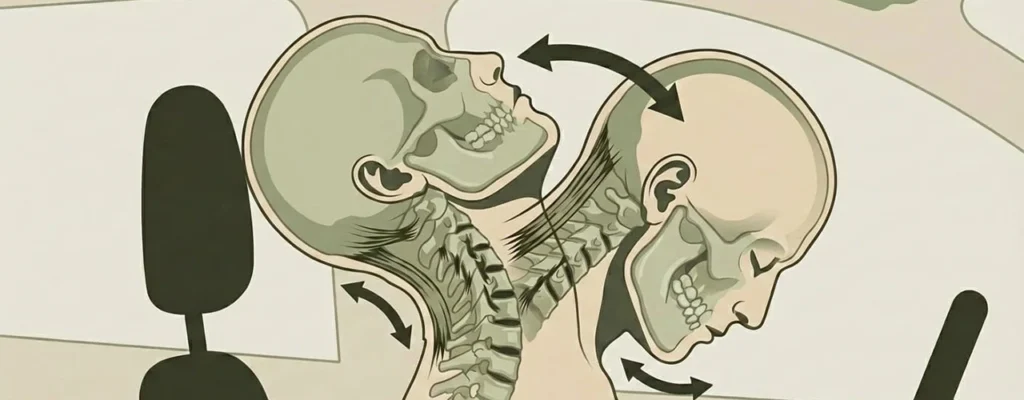
The Road to Recovery: Understanding Whiplash and Early Intervention
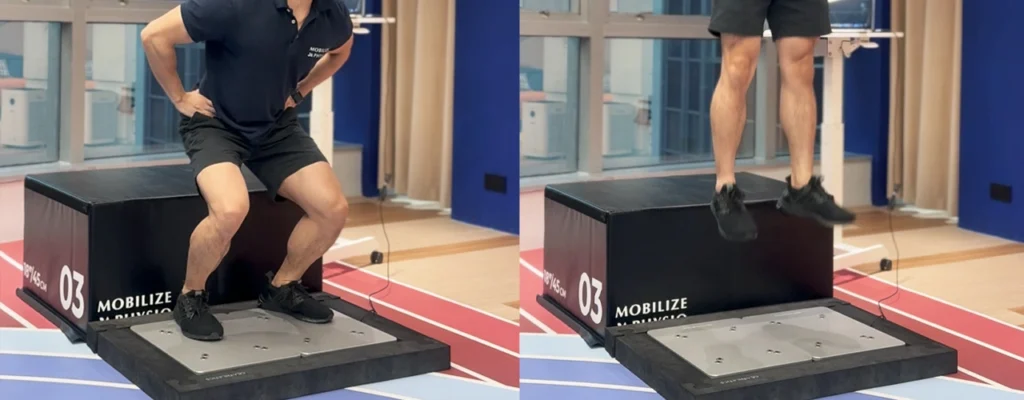
The Science of Precision Recovery: How Force Plate Technology is Transforming Physiotherapy
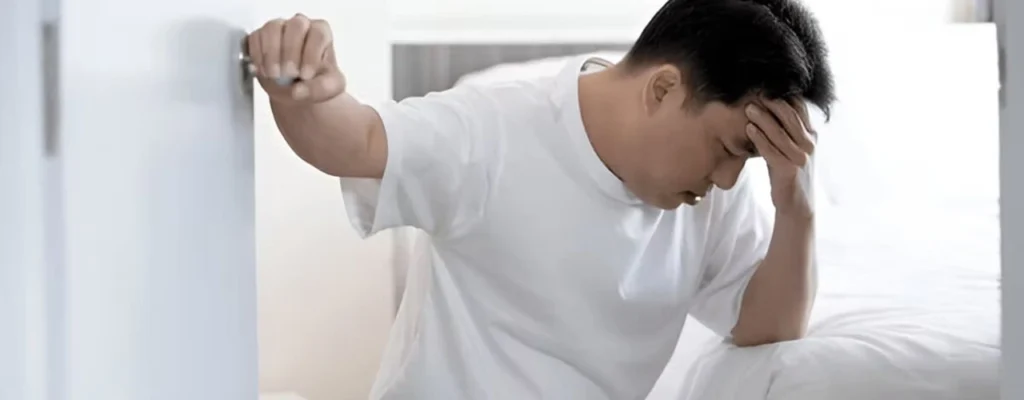
Waking Up Dizzy? Understanding BPPV vs. Cervicogenic Dizziness: A Comprehensive Guide to Diagnosis and Recovery
How to Heal a Sprained Ankle: 4 Best Rehab Exercises to Prevent Re-injury