
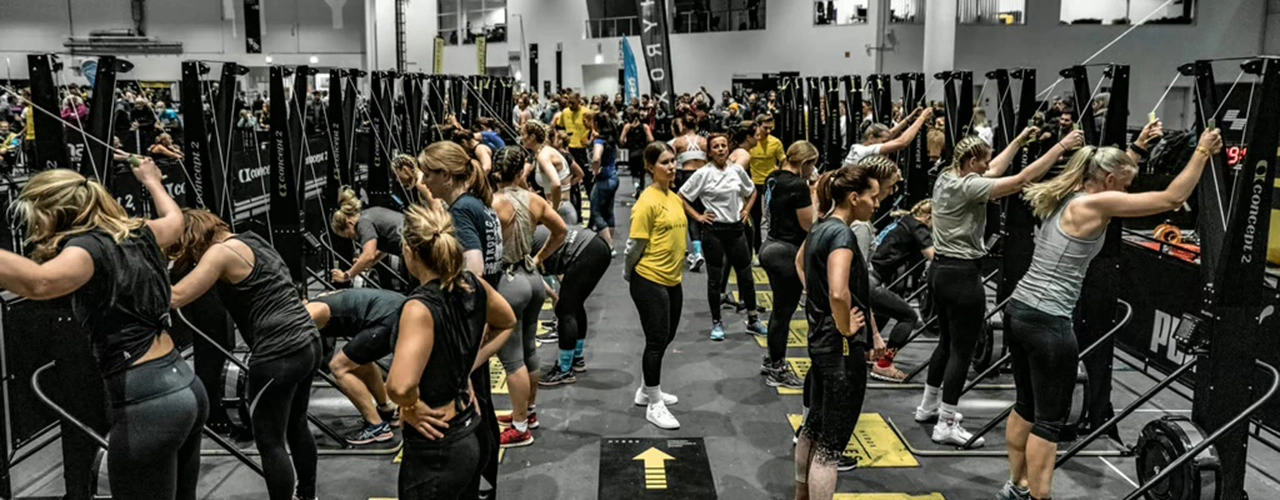
With HYROX returning to Hong Kong, the energy in the city’s fitness community is electric. From the gyms in Central to the boxes in New Territories, athletes are pushing their limits. As a physiotherapy clinic, we look beyond the finish line. We see the toll that 8km of running and 8 brutal functional stations take on the human body.
While finishing the race is a badge of honour—a testament to your grit and months of training—it is only half the battle. How you recover and interpret your post-race pain truly determines whether you will be back in the gym next week or sidelined for months. In this guide, we’ll dive into the mechanics of HYROX, the “red flag” injuries to watch for, and how to ensure your body bounces back stronger than ever.
Table Of Content
What is HYROX?
HYROX is a global fitness race that has redefined “hybrid” athleticism. It is designed to test both your aerobic endurance and your functional strength in a single, continuous event. The race structure is unique: participants must complete 8 rounds, each consisting of a 1km run followed by 1 functional workout station.
Because the running happens on hard surfaces (like the AsiaWorld-Expo floor) and the stations require explosive power, your heart rate rarely leaves the red zone. This constant switching forces your body to adapt to “compromised running”—running with heavy, fatigued legs.
The 8 Functional Stations:
- SkiErg (1000m): Focuses on the lats, triceps, and core.
- Sled Push (50m): A massive test of lower body drive and quadriceps power.
- Sled Pull (50m): Demands strong glutes, hamstrings, and upper back stability.
- Burpee Broad Jumps (80m): A gruelling combination of plyometric power and full-body endurance.
- Rowing (1000m): Requires total body coordination under high cardiovascular stress.
- Farmers Carry (200m): Tests grip strength and “midline” (core) stability while walking.
- Sandbag Lunges (100m): Puts immense load on the knees and hips through weighted, repetitive movement.
- Wall Balls (75–100 reps): The final finisher, demanding squat depth and overhead shoulder endurance.
Common Injuries: The "Technical Breakdown"
In physiotherapy, we often see that injuries in HYROX aren’t caused by the weight itself, but by form fatigue. When your heart rate hits 180bpm, your brain enters “survival mode.” It stops prioritizing “perfect form” and starts prioritizing “completion at any cost.” This neurological shift leads to mechanical compensations that place immense stress on your structural tissues.
- The Context: Sled Pulls & Burpee Broad Jumps.
- The Clinical Breakdown: As your deep core stabilizers (the transversus abdominis and multifidus) fatigue, you lose the ability to maintain a “stiff” torso. In the Sled Pull, rather than driving through a powerful hip hinge, athletes often begin to “round” through the lumbar spine to create leverage.
- The Consequence: This rounding creates a “shearing” force across the spinal discs and puts the Sacroiliac (SI) joint under uneven tension. In Burpee Broad Jumps, a rounded back during the explosive “jump” phase prevents the glutes from firing correctly, forcing the small muscles of the lower back to overwork, often leading to acute spasms or disc irritation.
- The Context: Weighted Lunges & Wall Balls.
- The Clinical Breakdown: After kilometres of running, the gluteus medius (your primary hip stabilizer) often “shuts down.” During the 100m Sandbag Lunges, this leads to Dynamic Valgus—where the knee caves inward toward the midline.
- The Consequence: This misalignment causes the kneecap (patella) to track incorrectly, leading to Patellar Tendinopathy or “Jumper’s Knee.” Furthermore, if your weight shifts too far into your toes during Wall Balls due to poor ankle mobility, the shear force on the meniscus increases significantly. Instead of the glutes absorbing the 6kg–9kg impact, the force is dumped directly onto the connective tissues of the knee.
- The Context: SkiErg & Rowing.
- The Clinical Breakdown: These stations are designed to be driven by the legs, but when the lower body is “gassed,” athletes begin “Manhandling” the machines. This involves pulling prematurely with the arms before the hips have finished their drive.
- The Consequence: On the SkiErg, over-extending the shoulder at the top of the pull under fatigue can lead to Subacromial Impingement (pinching of the rotator cuff). On the Rower, many athletes utilize a “death grip” on the handle to compensate for fading power. This chronic tension in the forearm flexors, combined with the repetitive pulling motion, leads to Medial Epicondylitis (Golfer’s Elbow)—an overuse injury of the tendons on the inside of the elbow that can take months to fully resolve.
Defining Soreness vs. Injury: When Does "Hard Training" Become Harmful?
Hong Kong athletes are famous for their “push through it” mentality, often wearing pain as a badge of honour. However, in the clinical world, learning to distinguish between physiological adaptation and structural damage is a vital skill for longevity.
The most common sensation after a race is Delayed Onset Muscle Soreness (DOMS). This typically presents as a dull, aching, or “tight” sensation within the muscle belly itself. It is almost always symmetrical—meaning both of your quads or both of your shoulders feel equally tender—and it actually tends to feel better once you start moving or go for a light walk. True DOMS should peak around 48 hours post-race and fade completely within 3 to 4 days.
On the other hand, a Potential Injury carries very different clinical markers. If you are experiencing pain that is sharp, stabbing, or feels like an “electric shock,” your body is signaling tissue or nerve distress rather than simple muscle fatigue. Unlike the general ache of soreness, injury is usually localized to one specific joint or one side of the body. Most importantly, while soreness improves with activity, an injury will feel worse with movement and may even cause you to limp or alter your natural gait. If your pain persists beyond a week, or if it is severe enough to wake you up at night, it has moved past the point of “normal recovery” and requires a professional assessment to prevent long-term damage.
Tips and Tricks for a Faster Recovery
- The 24-Hour Active Flush: Do not spend the day after the race sitting at your desk in Central all day. Go for a 20-minute light walk or a gentle swim. This increases blood flow to the damaged muscle tissues without adding more “impact” stress.
- The “Rule of 3”: Avoid high-intensity training for at least 3 days post-race. Your Central Nervous System (CNS) needs time to recover from the high-stress environment of the AsiaWorld-Expo.
- Hydration & Anti-Inflammatory Nutrition: Focus on magnesium-rich foods and high-quality protein to repair micro-tears in the muscles.
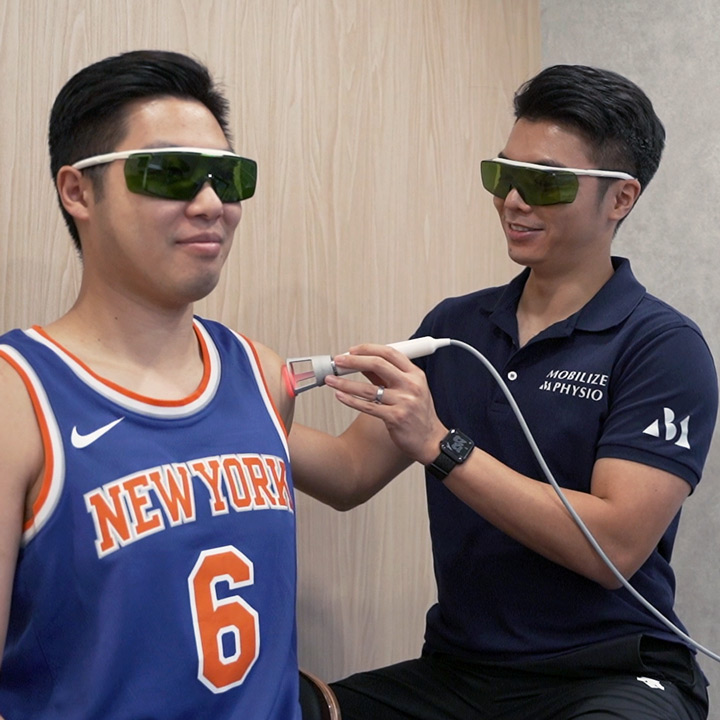
- Professional Maintenance: Consider a post-race physiotherapy “Check-up.” Techniques like Dry Needling and Manual Therapy can reset muscle tension and prevent a small “niggle” from becoming a chronic injury.
Conclusion: Beyond the Finish Line—Building a Sustainable, Resilient Physique
Crossing the HYROX finish line is undoubtedly an extraordinary achievement. However, true excellence is defined not just by your performance in a single race, but by how you treat your body once the clock stops. As physiotherapists, our goal is not merely to treat injuries, but to help you establish a scientific system for “Athletic Asset Management.”
Recovery is not passive rest; it is an active process. Through precision rehabilitation strategies and technical adjustments, you can transform post-race fatigue into the foundation for your next training cycle. Remember, the human body has structural limits. Only by respecting the laws of physiological recovery can you push your physical boundaries further and more steadily in the long run.
Whether you are in the midst of post-race recovery, dealing with lingering “niggles,” or looking to optimize specific technical weaknesses—such as hip mobility or core stability—our professional team is here to support you every step of the way. We combine clinical medicine with sports performance science to tailor the most effective recovery protocols for every hybrid athlete.



Physiotherapy Service
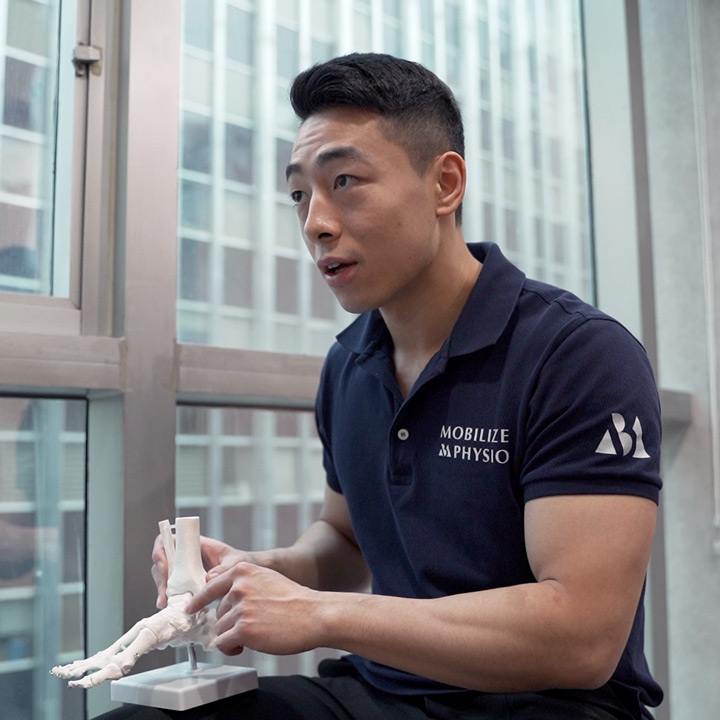
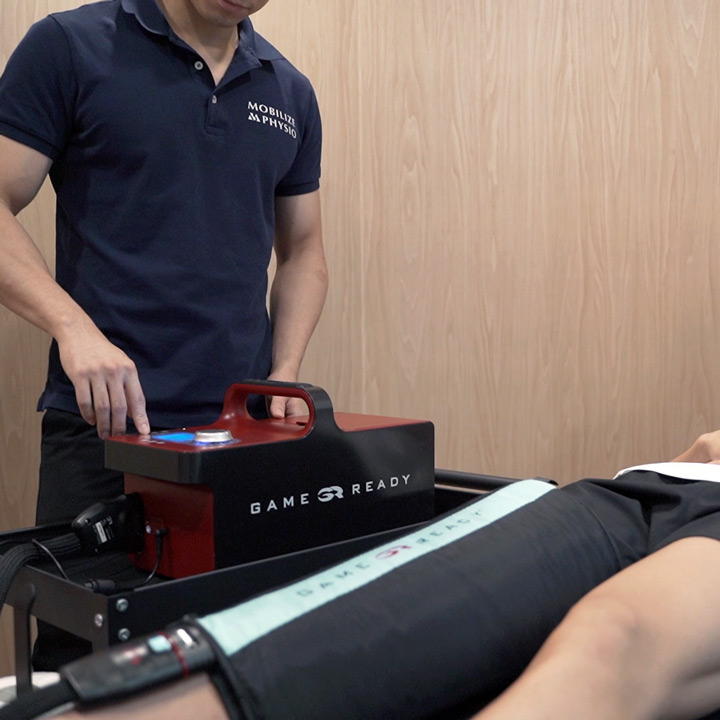
Mobilize Physio is a physiotherapy center located in Hong Kong. Our team of professional physiotherapists provides high-quality, evidence-based pain treatment. Our services include sports injury treatment, pain management, post-surgery rehabilitation, and posture and body alignment correction.
Every patient is unique, and we believe that every treatment plan should be customized accordingly. Therefore, we focus on one-on-one service to ensure that each patient receives personalized attention and specialized care. Contact us today to learn more about our physiotherapy services.
Latest Blog Posts

5 Exercises to Strengthen Your Hidden Core | The Gold Standard: Why Physiotherapy is the First Line of Defence for Women’s Pelvic Health

Say Goodbye to the “Slouch”: A Guide to Understanding and Fixing Rounded Shoulders
The Road to Recovery: Understanding Whiplash and Early Intervention
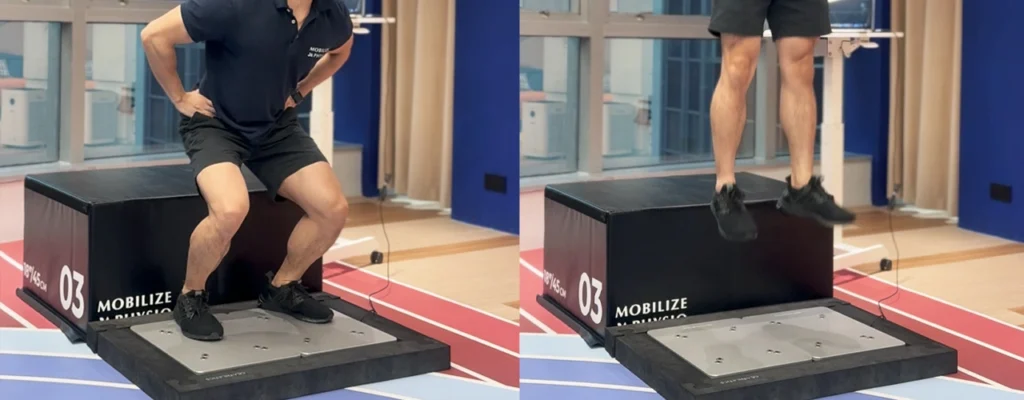
The Science of Precision Recovery: How Force Plate Technology is Transforming Physiotherapy

Waking Up Dizzy? Understanding BPPV vs. Cervicogenic Dizziness: A Comprehensive Guide to Diagnosis and Recovery

How to Heal a Sprained Ankle: 4 Best Rehab Exercises to Prevent Re-injury