
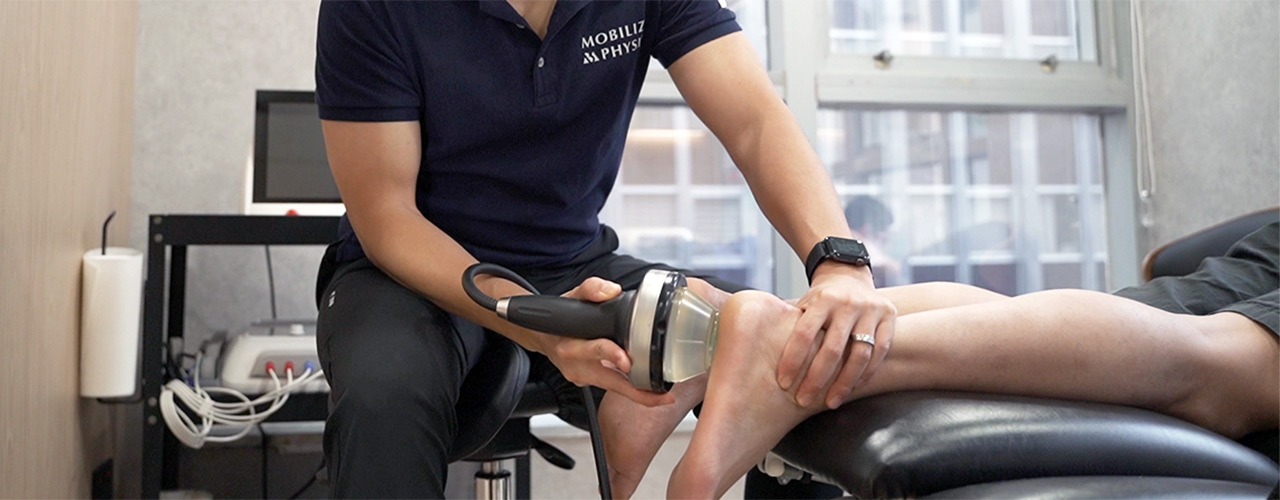
If you’ve ever dealt with a stubborn sports injury, chronic tendon pain, or slow-healing soft tissue damage, you know how frustrating recovery can be. For residents and athletes in Hong Kong seeking effective, non-surgical pain management, Extracorporeal Shockwave Therapy (ESWT) has become a top-tier treatment. Physiotherapists often use shockwave therapy as part of treatment plans to accelerate healing and reduce chronic pain. This powerful, non-invasive approach has become a valuable tool in leading physiotherapy clinics across Hong Kong, particularly for musculoskeletal injuries that don’t always respond well to rest, medication, or traditional therapies.
Table Of Content
Understanding Shockwave Therapy (ESWT)
Introduced in clinical practice in 1982 for managing urologic conditions, shockwave therapy has since evolved into a widely used and evidence-based method in modern musculoskeletal care. It uses low-energy, high-frequency acoustic wave pulsations delivered directly to injured tissues to stimulate the body’s natural healing processes.
Today, ESWT is a go-to treatment option physiotherapists in Hong Kong prescribe for stubborn tendon, ligament, and fascial injuries, especially chronic conditions where conventional methods haven’t provided sufficient relief.
How Does Shockwave Therapy Work? The Science of Regeneration
Shockwave therapy delivers mechanical energy to the treatment site, initiating a biological chain reaction known as mechano-transduction. This process dramatically enhances local circulation, helping accelerate repair in bones, tendons, ligaments, and muscles.
By delivering controlled acoustic pressure waves, ESWT achieves several therapeutic goals:
- Neovascularisation: It promotes new blood vessel formation in chronic injuries where circulation is often poor (e.g., chronic Achilles or Plantar Fasciitis). Improved blood flow delivers essential nutrients and oxygen, facilitating faster tissue repair.
- Stimulates Collagen Production: Acoustic waves enhance the production of Type I collagen, which is vital for rebuilding damaged tendons and ligaments and strengthening the tissue structure.
- Pain Reduction: ESWT triggers the release of local pain-relieving substances (endorphins) and helps deactivate neurological pain signals, providing effective and long-lasting pain relief.
- Breaks Down Calcification: It mechanically disrupts calcified deposits or fibrotic (scar) tissues often found in conditions like Calcific Tendinitis, allowing the body to absorb and remove these irritants.
During treatment, a physiotherapist applies the device directly over the affected area. The machine generates acoustic pressure waves that penetrate tissue up to 6 cm deep—reaching chronic injury sites that manual massage or at-home devices can’t target effectively.
How Physiotherapists Utilize Shockwave Therapy
In a Hong Kong physiotherapy clinic, ESWT is rarely used as a standalone treatment. Instead, a qualified physiotherapist integrates it into a comprehensive, multi-modal treatment plan tailored to the individual’s condition and goals.
The typical process involves:
- Diagnosis and Targeting: The physiotherapist first confirms the diagnosis (e.g., Plantar Fasciitis) through clinical testing and patient history. They then use palpation, and sometimes ultrasound imaging, to precisely locate the specific area of chronic tissue damage, which is critical for maximizing the therapy’s effectiveness.
- Dosage and Application: The therapist selects the appropriate device settings (energy intensity, frequency, and total number of pulses) based on the condition being treated (e.g., higher intensity for calcific tendon issues, lower intensity for superficial tendon issues).
- Combination Therapy: The ESWT session is immediately followed by other modalities to optimize the healing response:
- Manual Therapy: Joint mobilization or deep tissue release to improve movement and flexibility.
- Therapeutic Exercise: Prescription of specific loading and strengthening exercises (e.g., eccentric exercises) to manage the tensile load on the newly stimulated tendon, ensuring long-term recovery and preventing recurrence.
- Monitoring and Progress: The therapist monitors the patient’s pain levels and functional improvement across a short series of sessions (typically 3–6 sessions, spaced a week apart). The goal is to facilitate a faster return to daily activities and sports in the competitive Hong Kong environment.
Conditions Successfully Treated with Shockwave Therapy in Hong Kong
Shockwave therapy is particularly effective for chronic tendon, fascia, and ligament issues that are resistant to rest or exercise alone. In a busy city like Hong Kong, these injuries often stem from repetitive strain, long hours at a desk, or high-impact running on hard pavements.
Common conditions Hong Kong physiotherapists treat with ESWT include:
Foot and Ankle Conditions
- Plantar Fasciitis (Heel Pain): Highly common due to prolonged standing, running, or wearing unsupportive city shoes.
- Achilles Tendinopathy: Persistent pain and stiffness in the Achilles tendon.
Knee Conditions
- Patellar Tendinopathy (Jumper’s Knee): Stress-related pain from city running or vertical sports.
Elbow Conditions
- Tennis Elbow (Lateral Epicondylitis): Overuse injuries often linked to desk work, racquet sports, or repetitive strain.
- Golfer’s Elbow (Medial Epicondylitis): Similar tendon pain on the inside of the elbow.
Shoulder Conditions
- Calcific Tendinitis: Calcium buildup in shoulder tendons causing pain and restricted movement.
- Rotator Cuff Tendinopathy: Shoulder pain and restricted movement, often linked to poor posture during long office hours.
Hip Conditions
- Trochanteric Bursitis / Gluteal Tendinopathy: Persistent lateral hip pain common in runners and those who sit for extended periods.
Neck and Back Conditions
- Myofascial Pain Syndrome (Trigger Points): Chronic muscle pain resulting from sustained desk postures or stress.
Because these conditions often result from repetitive stress, poor blood supply, or slow healing capacity, shockwave therapy gives physiotherapists an evidence-backed way to jumpstart recovery and help patients return to activity faster.
When considering pain relief options in Hong Kong, ESWT offers compelling benefits:
- Non-Invasive: Non-Surgical Pain Relief. No need for incisions, injections, or strong medication.
- Quick Treatment: Sessions are fast, typically lasting only 5–15 minutes, making it easy to fit into a busy schedule.
- Minimal Downtime: Most patients resume normal activities within days.
- High Success Rates: Clinical studies show high success rates for various chronic musculoskeletal conditions.
- Alternative to Surgery: It provides an effective option for patients looking to avoid steroid injections or invasive surgical procedures.
Safety and Suitability: Contraindications
While shockwave therapy is safe for most individuals, it is essential to consult with a qualified Hong Kong physiotherapist before starting treatment. ESWT is contraindicated (not recommended) in the following circumstances:
- Pregnancy
- Over major blood vessels and nerves
- Presence of pacemakers or other implanted devices
- Active infections or cancerous tissues
- Over growth plates in children
- Blood clotting disorders or use of strong blood-thinning medication
Potential side effects are generally mild and temporary, including redness, slight swelling, or mild discomfort at the treatment site, which typically resolve within 24 hours.
Shockwave Therapy vs. Ultrasound Therapy
It is important for patients to understand the difference between shockwave therapy (ESWT) and common ultrasound treatments:
Shockwave Therapy (ESWT)
- Energy Level: High-Energy, Low-Frequency
- Mechanism: Mechanical pressure waves cause microscopic tissue damage to force regeneration.
- Goal: Tissue regeneration, pain relief, and breaking down calcification.
Ultrasound Therapy
- Energy Level: Low-Energy, High-Frequency
- Mechanism: Thermal and non-thermal effects primarily increase local blood flow and cellular activity.
- Goal: Temporary increase in blood flow and reduction of inflammation.
Shockwave therapy is specifically designed for therapeutic application and is a much more powerful stimulus for tissue repair than traditional therapeutic ultrasound.
Find Non-Surgical Pain Relief in Hong Kong
Shockwave therapy offers a promising, non-invasive treatment option for various stubborn musculoskeletal conditions. With its high success rates and minimal side effects, it provides a leading alternative to more invasive procedures.
If you are experiencing persistent pain from a chronic tendon or ligament injury, particularly conditions exacerbated by the active Hong Kong lifestyle, consult with a qualified physiotherapist today to determine if shockwave therapy is the right solution to jumpstart your recovery and get you back to peak performance.


Physiotherapy Service
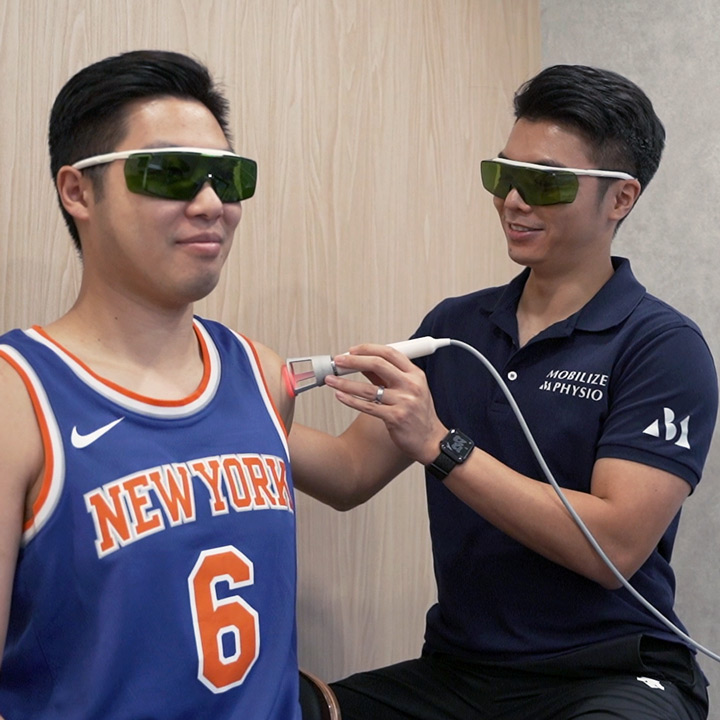
Mobilize Physio is a physiotherapy center located in Hong Kong. Our team of professional physiotherapists provides high-quality, evidence-based pain treatment. Our services include sports injury treatment, pain management, post-surgery rehabilitation, and posture and body alignment correction.
Every patient is unique, and we believe that every treatment plan should be customized accordingly. Therefore, we focus on one-on-one service to ensure that each patient receives personalized attention and specialized care. Contact us today to learn more about our physiotherapy services.
Latest Blog Posts

Conquering Morning Heel Pain in Hong Kong: The Deep Link Between Flat Feet & Plantar Fasciitis

SCHK Marathon Injury Survival Guide: 7 Common Running Injuries, Self-Management & Physiotherapy

SCHK Marathon Injury Prevention Survival Guide: Taping Tips & Physio Secrets for Hong Kong Runners

What Is Shockwave Therapy? A Non-Invasive Solution for Musculoskeletal Pain

ACL Tear: Do You Need Surgery Immediately? Why Prehab & Proper Rehab Matter More Than You Think

Foot Care for Trailwalker & Ultra-Endurance Events: Prevent Injuries, Boost Performance