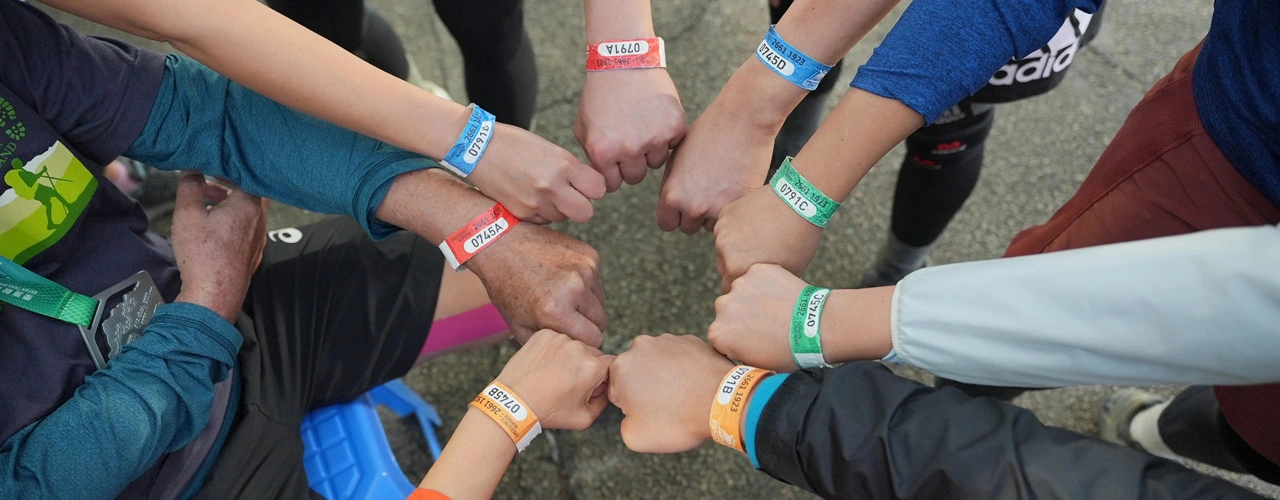
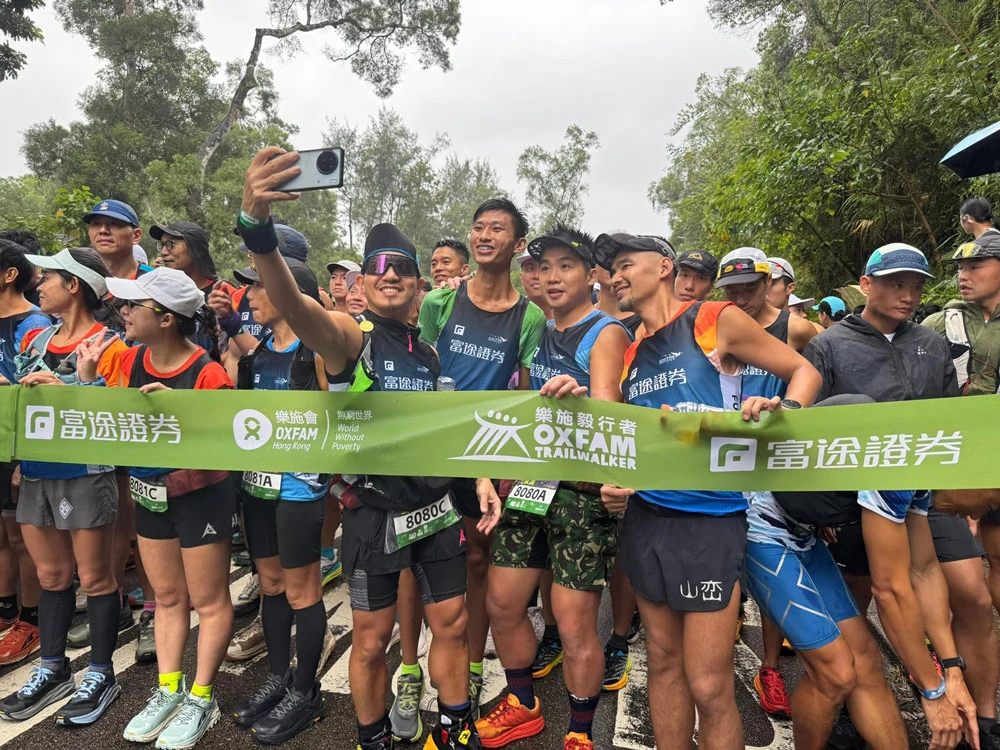
The annual Oxfam Trailwalker is just around the corner! Whether you’re a first-time hiker, a competitive endurance athlete, or simply interested in the event, it’s essential to understand just how physically demanding this challenge is—and how to protect your body from injury.
As a leading physiotherapy clinic in Hong Kong, we see many participants come in with joint pain, muscle cramps, or fatigue-related injuries both before and after Trailwalker. With proper training, preparation, and physiotherapy guidance, you can minimize the risk of overuse injuries and enjoy the event safely.
Table Of Content
What Is Oxfam Trailwalker?
The Oxfam Trailwalker is one of Hong Kong’s most iconic fundraising sporting events. Since 1986, more than 100,000 participants have taken part, raising over HKD 600 million to support Oxfam’s global projects.
These funds go toward poverty alleviation, emergency relief, and community development programs across Africa and Asia, including initiatives to provide clean water, education, and disaster support. Participating in Trailwalker is not only a test of endurance but also a meaningful way to contribute to global change.
The Event Challenge
Trailwalker is more than just a hike—it’s an ultra-endurance test. Participants form teams of four and aim to complete a 100 km trail within a 48-hour time limit. The course includes 23 hills, including Tai Mo Shan, Hong Kong’s tallest peak, with a total ascent of approximately 5,582 meters.
This extreme challenge requires both physical stamina and mental resilience. The long hours of walking, navigating rugged terrain, and sometimes hiking in darkness put considerable stress on your joints, spine, and muscles, making proper preparation crucial.
Why Trailwalker Can Be Hard on Your Body
The human body can only endure so much repetitive stress before injuries occur. Trailwalker places significant load on your lower limbs, spine, and musculoskeletal system, often exceeding the body’s natural tolerance. Common issues include:
Muscle cramps and spasms due to fatigue or inadequate conditioning
Dehydration and electrolyte imbalance, leading to weakness and impaired muscle function
Microtrauma in muscles and tendons, causing soreness and delayed recovery
Overload injuries such as tendonitis, knee pain, ankle sprains, and lower back strain
These problems usually arise when the physical demands exceed your current fitness level, emphasizing the importance of targeted training and injury prevention.
Physiotherapy Tips: Prevent Overuse Injuries Before Trailwalker
Identify weaknesses in your muscles, joints, and core
Develop a personalized injury-prevention program
Treat early signs of overuse injuries such as tendonitis, shin splints, or back pain
Recommend taping, braces, or corrective exercises for pre-existing injuries
Common Trailwalker Injuries and How Physiotherapy Can Help
Knee Pain & Tendonitis: Strengthening quadriceps, hamstrings, and hip stabilizers can reduce stress on your knees.
Lower Back Strain: Core stability exercises help protect the spine during long hours of walking.
Ankle Sprains: Balance training and proper footwear reduce the risk of ankle injuries.
Muscle Cramps: Physiotherapy can provide targeted stretching and hydration strategies to prevent cramps during ultra-endurance events.
Final Thoughts
The Oxfam Trailwalker is an unforgettable experience that tests your physical and mental endurance while supporting a worthy cause. By combining smart training, proper gear, nutrition, and professional physiotherapy guidance, you can reduce the risk of overuse injuries and complete the event safely.
If you want to prepare your body for Trailwalker 2025, our Hong Kong physiotherapy clinic offers pre-event assessments, injury prevention programs, and post-event recovery treatments. Book a consultation today and give your body the best chance to perform at its peak.
Physiotherapy Service
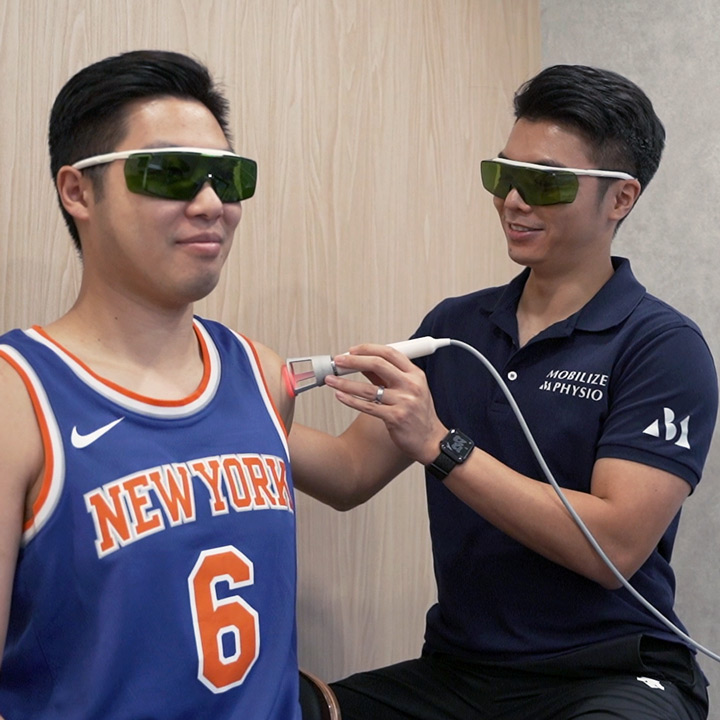
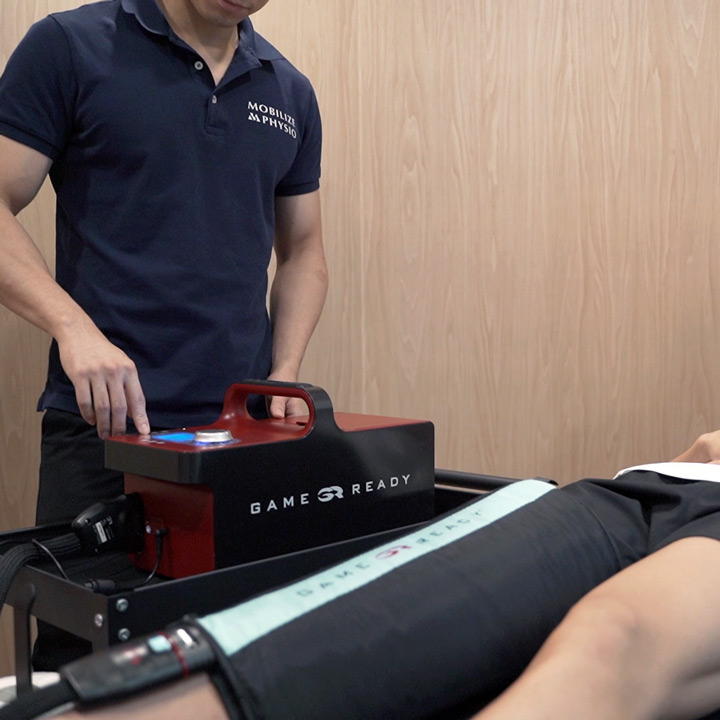
Mobilize Physio is a physiotherapy center located in Hong Kong. Our team of professional physiotherapists provides high-quality, evidence-based pain treatment. Our services include sports injury treatment, pain management, post-surgery rehabilitation, and posture and body alignment correction.
Every patient is unique, and we believe that every treatment plan should be customized accordingly. Therefore, we focus on one-on-one service to ensure that each patient receives personalized attention and specialized care. Contact us today to learn more about our physiotherapy services.
Latest Blog Posts
Conquering Morning Heel Pain in Hong Kong: The Deep Link Between Flat Feet & Plantar Fasciitis