
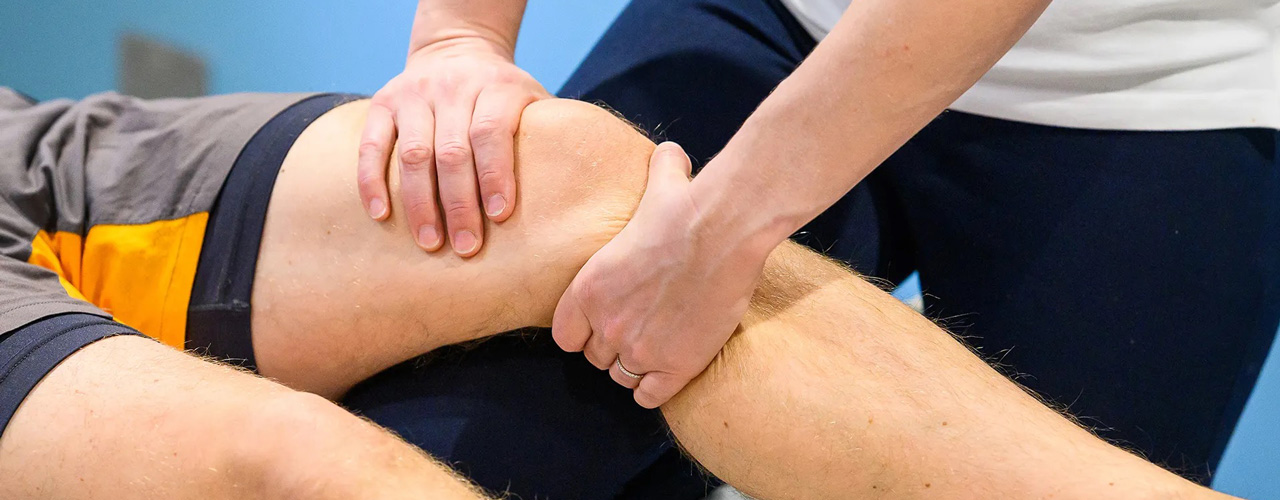
An Anterior Cruciate Ligament (ACL) injury is often one of the most confronting diagnoses for active individuals and athletes. That unmistakable “pop,” followed by swelling, loss of confidence, and instability, usually leads to one pressing question: “Do I really need ACL surgery?”
At Mobilize Physio, we specialise in ACL rehabilitation, including non-surgical management, pre-operative preparation, and post-surgical return-to-sport rehab. Many patients come to us unsure which path is right for them. This article breaks down the latest research, clinical evidence, and physiotherapy-led decision-making framework to help you understand whether surgery is necessary — and what truly determines a successful recovery.
Table Of Content
What is an ACL Injury and How Severe is it?
The Anterior Cruciate Ligament is one of the four major ligaments that stabilize the knee joint. It runs diagonally through the middle of the knee, preventing the tibia (shin bone) from sliding out in front of the femur (thigh bone), and providing rotational stability.
ACL injuries are classified into three distinct “Grades” based on the extent of the damage:
- Grade 1 Sprain: The ligament is mildly damaged. It has been stretched but still manages to keep the knee joint stable.
- Grade 2 Sprain: The ligament is stretched to the point where it becomes loose. This is often referred to as a partial tear of the ligament.
- Grade 3 Tear: This is a complete tear of the ligament. The ligament has been split into two pieces, and the knee joint is unstable.
Most ACL injuries are Grade 3 tears, occurring during sports that involve sudden stops, jumping, or changes in direction.
A Paradigm Shift: Can an ACL Tear Heal Without Surgery?
Historically, the medical consensus was that the ACL—being intra-articular and bathed in synovial fluid—lacked the blood supply and protective environment (clot formation) necessary for self-repair. However, landmark longitudinal studies and new mechanical interventions are challenging this dogma.
The KANON (Knee Anterior Cruciate Ligament, Nonsurgical versus Operative Treatment) Study remains a cornerstone in sports medicine. Researchers tracked over 120 young, active patients with acute ACL tears:
- Evidence of Healing: In the group that initially followed a “delayed surgery” strategy (starting with structured physiotherapy first), approximately 30% to 40% showed signs of ligamentous healing or continuity on follow up MRI. This suggests the body has an innate capability for repair if given the right mechanical environment early on.
- Functional Outcomes: Data at the five and ten year marks showed no significant difference in knee function scores (KOOS) or the development of osteoarthritis between those who had early surgery and those who started with structured physical therapy. This indicates that immediate reconstruction is not a prerequisite for returning to high level function or protecting long term joint health.
The Cross Bracing Protocol (2023)
A groundbreaking study recently published in the British Journal of Sports Medicine (BJSM) introduced a specific mechanical intervention called the Cross Bracing Protocol. The theory is based on “primary healing”: by bracing the knee at a specific 90 degree angle for the first 4 weeks, the torn ends of the ACL are brought into closer proximity, facilitating the formation of a stable bridge.
- Staggering Success Rates: MRI results showed that 90% of participants had evidence of ACL healing (Grade 1 or 2) at the 3 month mark. This is significant because Grade 1 healing (a continuous, thick ligament) was associated with better patient reported outcomes.
- Clinical Stability: These patients demonstrated improved knee stability and higher rates of return to sport compared to those who did not show ligamentous healing, opening a new evidence based “non surgical” pathway for acute tears that focuses on biological repair rather than mechanical replacement.
Decision Making: Who Should Choose Surgery?
According to modern literature like the DEER Study (2022), the choice between surgery and conservative management should be a “Shared Decision Making” process. It is no longer “Surgery vs. Nothing,” but rather “Surgery vs. Structured Rehabilitation.”
Candidates for Conservative Management (Physio First)
- Isolated Injuries: No associated complex meniscus tears (which have low blood supply) or significant chondral (cartilage) damage that requires surgical fixation.
- Dynamic Stability (“Copers”): Some individuals are naturally “copers”—their nervous system and surrounding muscles (quads, hamstrings, and glutes) effectively compensate for the missing ligament, preventing “giving way” during functional tasks.
- Modified Demands: Individuals whose primary activities are linear (running, swimming, cycling) rather than multi directional (soccer, basketball) can often thrive without a mechanical ACL.
Candidates for Surgical Reconstruction
- Combined Injuries: When a meniscus tear is present (particularly “bucket handle” tears) or other ligaments (MCL/LCL) are involved, the knee is significantly more unstable, making surgical stabilization necessary to prevent rapid joint degeneration.
- Persistent Instability (“Non Copers”): If the knee continues to buckle or feel “loose” after 3 to 6 months of high quality rehabilitation, it suggests the mechanical deficit cannot be compensated for by muscle strength alone.
- High Level Multi Directional Athletes: For those returning to professional level sports that require frequent, unpredictable pivoting and cutting, reconstruction provides the “static” stability that protects the meniscus from shearing forces during high speed movements.
Why Physiotherapy Determines Long-Term ACL Recovery Outcomes
Whether you choose the surgical or non surgical route, physiotherapy determines the long term health of your joint.
Prehab (Pre operative Physiotherapy): Winning Before You Start
“Prehab” isn’t just about getting stronger; it’s about resolving the “Inhibition Gap.” Following injury, the brain often shuts down the quadriceps (Arthrogenic Muscle Inhibition) to protect the joint.
- Biological Priming: Research shows that for every 10% increase in quadriceps strength before surgery, functional recovery scores two years post op improve significantly.
- Range of Motion (ROM): Achieving full knee extension before surgery is the number one predictor of avoiding “Arthrofibrosis” (permanent joint stiffness/scarring) after surgery.
- Neuromuscular Memory: Training the brain to activate the quads while the joint is still intact makes “re learning” movement after surgery much faster.
Rehab (Functional Rehabilitation): The Standard for Return to Sport
Surgery provides a “mechanical” anchor, but rehab provides the “neuromuscular” control. According to Grindem et al. (2016), the risk of a second ACL tear is highest in the first 24 months. Meeting strict criteria is the only way to mitigate this risk.
- Symmetry in Strength: You are only as strong as your weakest link. Quadriceps and hamstring strength must be at least 90% to 95% of the uninjured side to ensure the knee can absorb landing forces.
- The Sensorimotor System: It’s not just about power; it’s about timing. Rehab must include “reactive” training—teaching the knee to stabilize when you are distracted or off balance, replicating the chaos of a real game.
- The “9 Month Rule”: Biology cannot be rushed. The ACL graft goes through a process called “ligamentization,” where it actually becomes weaker before it gets stronger. Research shows that for every month you delay return to sport (up to 9 months), the risk of re injury is reduced by 51%!
Why ACL Rehabilitation Requires Specialist Physiotherapy
ACL recovery is not just about surgery or time — it is about structured rehabilitation, movement retraining, and objective return-to-sport testing. At Mobilize Physio, we specialise in:
Non-surgical ACL rehabilitation pathways
Pre-operative physiotherapy (Prehab)
Post-ACL reconstruction strength and power rebuilding
Return-to-sport testing to reduce re-injury risk
Our goal is not simply recovery, but long-term knee health and confident return to sport.
FAQ | ACL Surgery vs Physiotherapy
No. Not all ACL tears require surgery. Research shows that some individuals can regain good knee function through structured, progressive physiotherapy, depending on knee stability, activity demands, and rehabilitation adherence.
In selected cases, functional recovery without surgery is possible. Non-surgical rehabilitation focuses on lower limb strength, neuromuscular control, and movement stability. Outcomes depend on injury severity, knee stability, and the quality of rehabilitation.
ACL reconstruction is more commonly recommended for individuals who:
-
Experience persistent knee instability
-
Intend to return to high-demand pivoting sports
-
Do not achieve sufficient stability after comprehensive physiotherapy
The decision should be individualised and based on multidisciplinary assessment.
Yes. Surgery restores ligament structure but does not address muscle strength, movement coordination, or neuromuscular control. Physiotherapy is essential to optimise recovery and reduce re-injury risk.
-
Non-surgical rehabilitation: approximately 6–9 months
-
Post-surgical rehabilitation: typically 9–12 months or longer
Return-to-sport decisions should be guided by functional testing rather than time alone.
Conclusion: Finding the Right Path for You
The management of an ACL injury is a complex journey. Whether surgery or conservative management is right for you depends on your injury grade, your unique biomechanics, and your long term athletic goals.
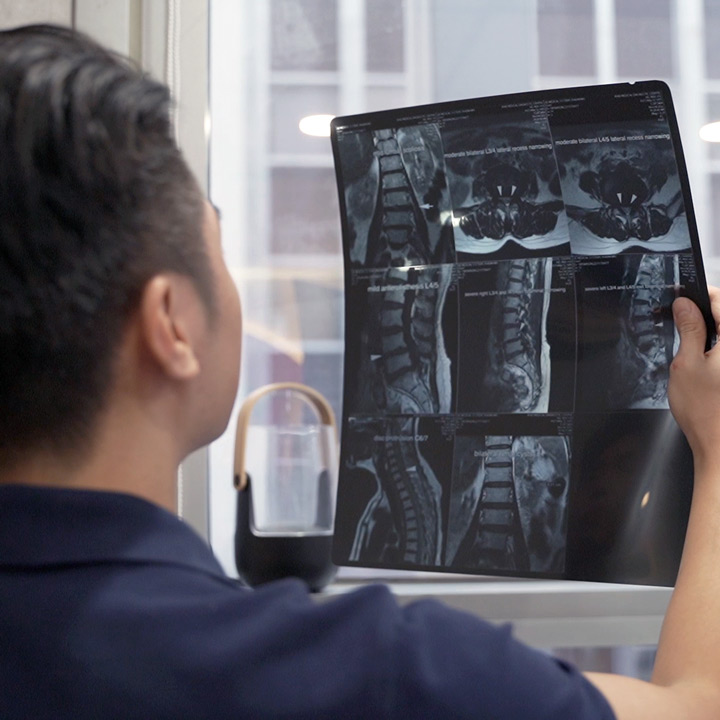
At our clinic, we prioritize an “Athlete Centered” recovery strategy. We don’t just treat the MRI image; we treat the person, their movement patterns, and their aspirations.


Physiotherapy Service
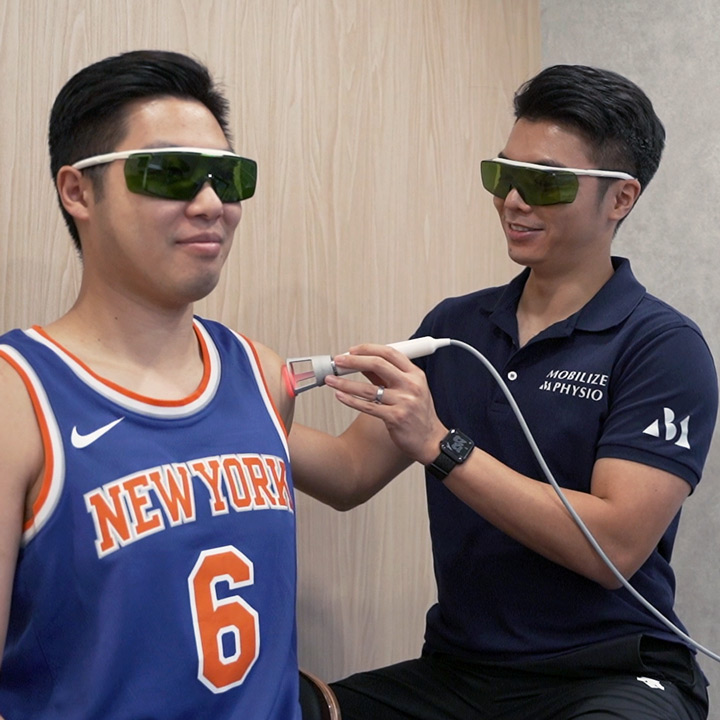
Mobilize Physio is a physiotherapy center located in Hong Kong. Our team of professional physiotherapists provides high-quality, evidence-based pain treatment. Our services include sports injury treatment, pain management, post-surgery rehabilitation, and posture and body alignment correction.
Every patient is unique, and we believe that every treatment plan should be customized accordingly. Therefore, we focus on one-on-one service to ensure that each patient receives personalized attention and specialized care. Contact us today to learn more about our physiotherapy services.
Latest Blog Posts
Do You Really Need ACL Surgery? A Physiotherapist’s Evidence-Based Recovery Guide

Conquering Morning Heel Pain in Hong Kong: The Deep Link Between Flat Feet & Plantar Fasciitis

SCHK Marathon Injury Survival Guide: 7 Common Running Injuries, Self-Management & Physiotherapy

SCHK Marathon Injury Prevention Survival Guide: Taping Tips & Physio Secrets for Hong Kong Runners

What Is Shockwave Therapy? A Non-Invasive Solution for Musculoskeletal Pain

ACL Tear: Do You Need Surgery Immediately? Why Prehab & Proper Rehab Matter More Than You Think