MOBILIZE 物理治療中心

Women’s Health and Physiotherapy

Women experience many physical changes throughout different life stages, including adolescence, pregnancy, postpartum recovery and menopause. These changes can affect the muscles, joints, pelvic floor and overall body mechanics, sometimes leading to pain or functional issues. Women’s health physiotherapy focuses on managing musculoskeletal and pelvic health conditions specific to women. Through detailed assessment and personalised treatment plans, physiotherapists help improve pain, restore function and support long-term health. At MOBILIZE, we provide one-on-one physiotherapy assessment and treatment to support women through pregnancy preparation, prenatal care, postnatal recovery and long-term pelvic and core health.
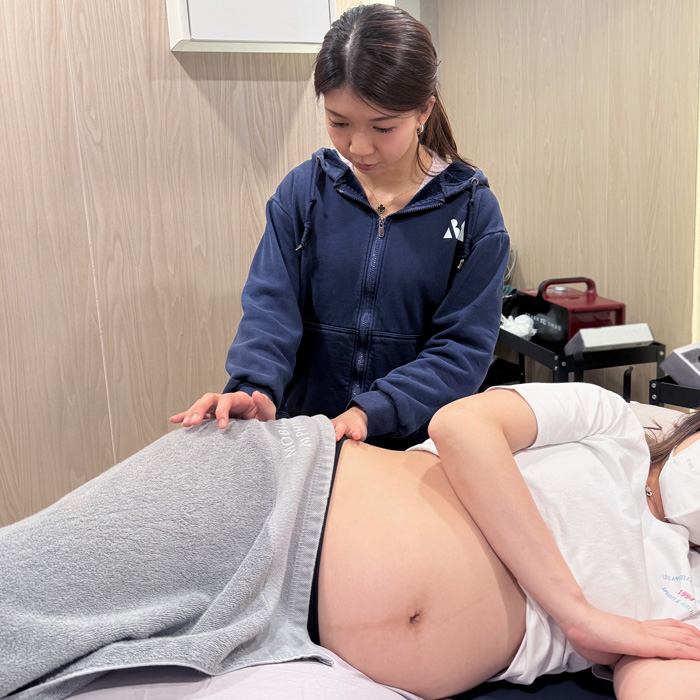
Prenatal Physiotherapy

Pregnancy is an exciting journey, but as the body undergoes structural and hormonal changes, many women may experience varying degrees of physical discomfort during this period. Common symptoms include lower back pain, pelvic girdle pain, lower abdominal discomfort, and muscle tension related to postural changes. Some women may also experience pregnancy-related headaches or swelling, which can affect daily activities and sleep quality.


The goal of prenatal physiotherapy is to help expectant mothers safely maintain mobility and physical function while reducing common pregnancy-related discomforts. Through a professional assessment, physiotherapists provide personalised exercise recommendations based on each individual’s condition. These may include pregnancy-safe stretching exercises, core stability training, and posture modification for daily activities. Appropriate prenatal exercise not only helps reduce pain and discomfort, but also supports overall physical fitness during pregnancy and prepares the body for labour and postnatal recovery.

Common Pregnancy Pain: Back Pain, Hip Pain, Swelling & Headache

Pregnancy Back Pain & Hip Pain

Back pain and hip pain are among the most common musculoskeletal complaints during pregnancy. As the abdomen grows, the body's center of gravity shifts forward, increasing the load on the lumbar spine and pelvis. Hormonal changes can also cause ligaments and joints to become more relaxed, which may reduce stability around the pelvis and hip joints. As a result, many pregnant women experience lower back pain, hip discomfort, or pelvic girdle pain, especially when walking, standing for long periods, or turning in bed.

Pregnancy Swelling (Edema)

Swelling during pregnancy, also known as edema, is a common condition, particularly in the later stages of pregnancy. Hormonal changes, increased blood volume, and the growing uterus may place pressure on blood vessels, leading to swelling in the feet, ankles, and lower legs. Prolonged sitting, standing, or reduced physical activity may further worsen swelling. Appropriate exercises, circulation-promoting movements, and posture advice from a physiotherapist can help improve blood flow and reduce pregnancy-related swelling.

Pregnancy Headache

Some women may experience headaches during pregnancy. These headaches can be related to hormonal changes, poor sleep quality, increased stress, or tension in the neck and shoulder muscles. Postural changes during pregnancy may also lead to increased strain on the cervical spine and surrounding muscles. Physiotherapy can help manage pregnancy-related headaches through posture assessment, manual therapy, muscle relaxation techniques, and appropriate exercise recommendations.
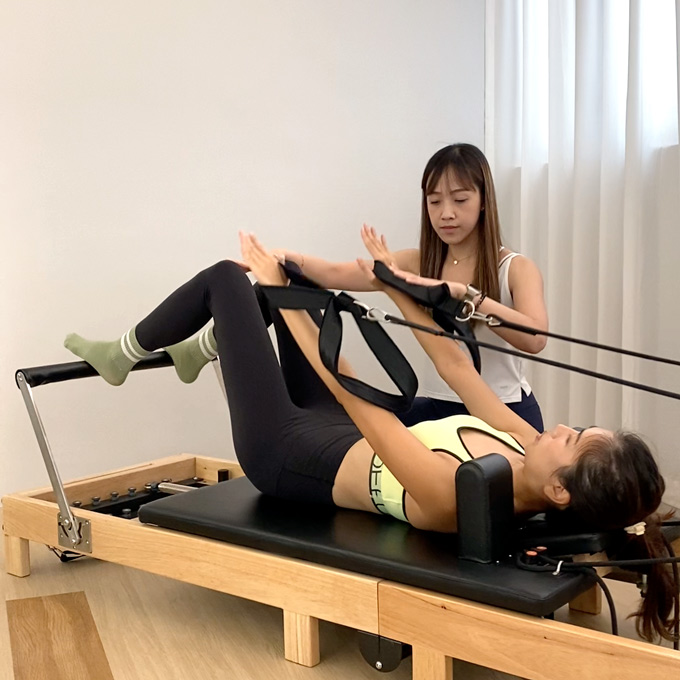
Prenatal and Postnatal Pilates

Prenatal Pilates is a low-impact form of exercise that is well suited for women during pregnancy and the postpartum recovery period. By focusing on core stability, pelvic floor activation and posture control, prenatal Pilates helps support the body as it adapts to the physical changes of pregnancy. It may also help reduce common pregnancy-related discomfort such as lower back pain, pelvic pressure and muscle tension.

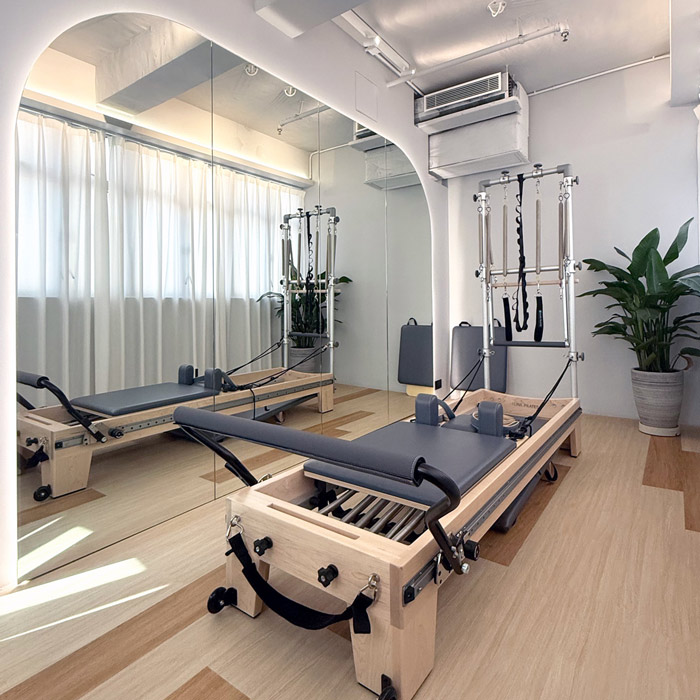
At MOBILIZE, our prenatal and postnatal Pilates sessions are guided by physiotherapy-trained instructors who understand the unique needs of the pregnant and postpartum body. Each session can be tailored to the individual’s stage of pregnancy, physical condition and recovery progress. Through personalised guidance, participants learn safe and effective exercises to strengthen the core muscles, activate the pelvic floor and improve overall movement control.

For expectant mothers, prenatal Pilates can help improve breathing patterns, enhance core stability and reduce physical strain throughout pregnancy while preparing the body for labour. For postpartum mothers, Pilates can support recovery by rebuilding core strength, addressing diastasis recti and gradually restoring functional movement and fitness. With professional guidance, prenatal and postnatal Pilates can play an important role in maintaining maternal fitness and supporting long-term core and pelvic health.

Postnatal Rehabilitation & Core Training

After childbirth, a woman’s body requires time to gradually recover. Pregnancy and delivery can affect the abdominal muscles, pelvic floor muscles, and the overall core stability system. As a result, many women experience core weakness, lower back discomfort, or postural changes after giving birth. Some may also feel unstable when carrying their baby or performing daily activities.

Diastasis Recti is a common condition during pregnancy. It refers to the separation of the rectus abdominis muscles along the midline of the abdomen as the uterus expands. After childbirth, some women may continue to experience a visible bulge along the center of the abdomen, reduced core strength, or persistent lower back discomfort. If diastasis recti does not recover properly, it may affect core stability and overall movement control.

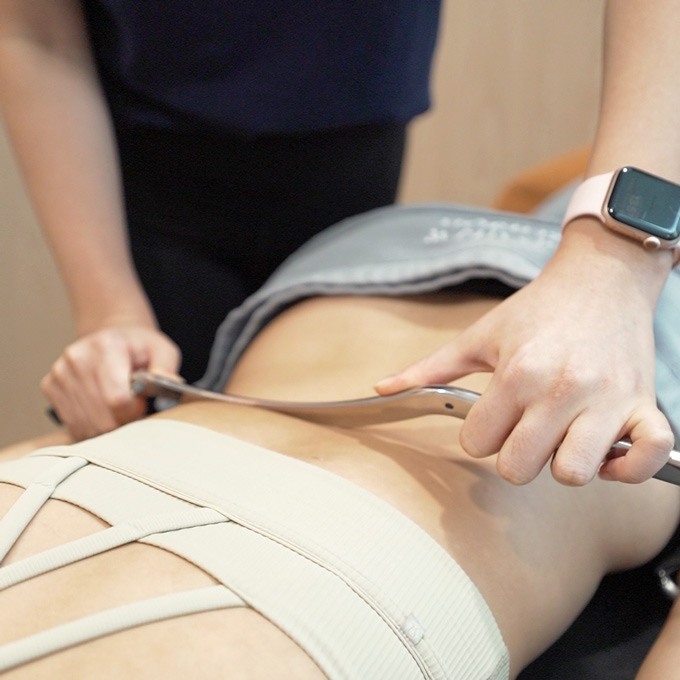
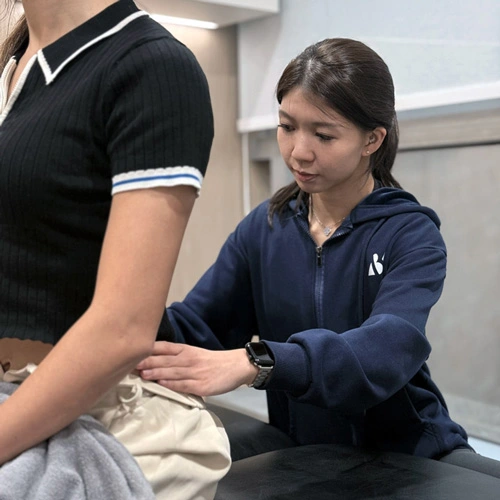
Through postnatal physiotherapy, physiotherapists assess the degree of abdominal muscle separation, pelvic floor muscle function, and overall movement patterns. Based on the assessment, a personalised rehabilitation programme will be designed. Treatment typically includes deep core muscle training (such as activation of the transverse abdominis), pelvic floor muscle training, and functional strengthening exercises to gradually restore strength and stability. With progressive postnatal rehabilitation and core training, most women can improve core control and safely return to daily activities and exercise.

Pelvic Floor Muscle Training & Kegel Exercises

The pelvic floor muscles play an essential role in supporting the bladder, uterus, and bowel. They are also important for urinary control, core stability, and maintaining proper pelvic organ support. Pregnancy, childbirth, and ageing can all affect the function of the pelvic floor muscles.

Many people have heard of Kegel exercises, but may not always perform them correctly or activate the appropriate muscles. With guidance from a physiotherapist, women can learn how to properly engage and strengthen the pelvic floor muscles to improve muscle control and strength.

Pelvic floor muscle training can help prevent or improve urinary incontinence, enhance core stability, and support long-term pelvic health.

Perimenopause & Menopause

As women enter perimenopause and menopause, hormonal levels gradually change, which can affect muscles, bones, joints, and pelvic floor function. Some women may experience symptoms such as urinary incontinence, pelvic floor weakness, joint pain, or reduced bone density during this stage of life. Appropriate exercise and physiotherapy interventions can help women maintain physical function and mobility during menopause. Pelvic floor muscle training, core stability exercises, and strength training can improve bladder control and enhance overall body stability. Regular exercise can also help maintain bone health and reduce the risk of injuries related to osteoporosis. Women’s health physiotherapy focuses not only on pregnancy and postnatal recovery, but also on supporting women’s physical health throughout different stages of life.

Common Conditions

Common Pain & Conditions

Women’s Health and Physiotherapy

Urinary Incontinence & Bladder Control Issues

Urinary incontinence is a common but often under-discussed health concern among women. While it is commonly experienced during pregnancy and after childbirth, it can also become more prevalent during perimenopause and menopause. Urinary incontinence is often related to pelvic floor muscle weakness, hormonal changes, or reduced core stability, and may affect daily activities and exercise.

Common types of urinary incontinence include:

  • Stress Incontinence
    This occurs when leakage happens during activities that increase abdominal pressure, such as coughing, sneezing, running, or lifting heavy objects. It is often associated with reduced pelvic floor muscle strength.
  • Urge Incontinence
    This involves a sudden and strong urge to urinate that can be difficult to control. Leakage may occur before reaching the toilet.
  • Mixed Incontinence
    This is a combination of both stress incontinence and urge incontinence, and is one of the more common forms experienced by women.

Physiotherapy can help improve bladder control through pelvic floor muscle training, breathing and core coordination exercises, and lifestyle modifications. For many women, appropriate training can significantly reduce symptoms and improve comfort and confidence in daily life.

Pelvic Organ Prolapse

Pelvic organ prolapse occurs when pelvic organs such as the bladder, uterus, or rectum move downward and create a feeling of heaviness or pressure within the vaginal area. Some women may also experience lower back discomfort, difficulty with urination, or a sensation of pelvic pressure.

Physiotherapy plays an important role in managing pelvic organ prolapse. Through pelvic floor strengthening exercises, posture correction, and guidance on daily activities, symptoms can often be improved and the impact on daily life reduced.

Joint Pain & Stiffness

As women age and experience hormonal changes, some may develop joint pain and stiffness, particularly during perimenopause and menopause. These symptoms may be associated with conditions such as arthritis, osteoporosis, or sarcopenia, and may affect daily mobility and physical stability.

Sarcopenia refers to the age-related loss of muscle mass and strength, which may increase the risk of falls and injuries.

Through physiotherapy assessment and appropriate exercise programmes, including strength training, balance training, and mobility exercises, joint function can be improved, bone health supported, and the risk of falls reduced.

Women’s Health During Perimenopause & Menopause

As women transition into perimenopause and menopause, hormonal levels decline and may affect muscles, bones, joints, and pelvic floor function. Some women may experience urinary incontinence, joint pain, pelvic floor weakness, or reduced bone density during this stage of life. These changes may affect daily activities such as walking, exercising, or sleeping, and may also increase the risk of falls or injuries.


Through women’s health physiotherapy, physiotherapists can provide a comprehensive assessment including pelvic floor function, core stability, joint mobility, muscle strength, and balance. Based on the assessment findings, appropriate physiotherapy treatment and exercise programmes can be recommended to address symptoms and improve long-term physical function.


At Mobilize Physio, we provide one-on-one professional assessments and treatment for women at different stages of life. Our services include prenatal physiotherapy, postnatal rehabilitation, and pelvic health physiotherapy, helping women reduce pain, improve mobility, and maintain long-term physical health through pregnancy, postpartum recovery, and menopause.

Frequently Asked Questions

In most cases, physiotherapy is safe during pregnancy. After a professional assessment, physiotherapists can provide suitable exercises and treatment recommendations based on the stage of pregnancy and individual condition. These may include pregnancy-safe stretching, core exercises, and posture advice to help reduce discomfort and maintain mobility.

Many women can begin gentle rehabilitation exercises a few weeks after delivery, such as pelvic floor exercises and basic core activation. However, the appropriate timing may vary depending on the individual and the type of delivery (vaginal delivery or Caesarean section). A physiotherapy assessment is recommended before starting structured rehabilitation.

Yes. Many cases of urinary incontinence are related to pelvic floor muscle weakness or poor coordination of the core muscles. Physiotherapy, including pelvic floor muscle training, breathing coordination, and lifestyle advice, can significantly improve bladder control for many women.

Some women experience abdominal separation after pregnancy. With guided core rehabilitation exercises such as transverse abdominis activation and functional strengthening, most women can gradually restore core stability and abdominal control.

Book an Appointment

Get in touch with our physiotherapists