

Are you preparing for The Standard Chartered Hong Kong Marathon coming up on 18 January 2026? Are you a regular runner interested in the ultimate guide to marathon injury prevention? Well, you are in luck!
As a physiotherapy clinic in Hong Kong, we know the real journey of a 42.195km marathon is the consistent training and preparation leading up to race day. The biggest concern for any dedicated runner is sustaining a debilitating injury just before the big day, rendering all that hard work wasted. This blog post is your ultimate survival guide to staying healthy, strong, and ready to cross the finish line!
Table Of Content
The Invisible Toll: Physiological and Physical Demands of Marathon Running
A marathon is not just a run; it’s a profound, multi-systemic stress test. Understanding why 42.2km is so challenging helps runners appreciate the crucial need for proper strength work, nutrition, and recovery.
1. Physiological & Metabolic Stress: The Energy Crisis
The body must sustain continuous aerobic effort for several hours. The two main metabolic demands are:
- Glycogen Depletion (“Hitting the Wall”): The body’s primary, high-octane fuel source (muscle glycogen) is typically exhausted after about 90–120 minutes of intense running. The subsequent physiological switch to burning fat (a less efficient fuel) is metabolically strenuous and leads to widespread systemic fatigue.
- Thermoregulation & Dehydration: Running generates significant heat. The body diverts blood flow to the skin for cooling (sweat), which strains the circulatory system and, combined with fluid loss, can lead to severe dehydration and an elevated heart rate (known as cardiovascular drift).
2. Physical & Muscular Demands: Repetitive Overload
The average marathon runner takes over 50,000 steps. This immense repetition leads to a massive cumulative physical load on the musculoskeletal system.
- Eccentric Loading & Micro-Tears: Every time the foot lands, the leg muscles (especially the quadriceps and calves) must lengthen while contracting to control the impact shock. This eccentric loading is highly demanding, causing severe micro-tears and accumulated muscle damage, which is why muscles often feel “shredded” near the finish line.
- Connective Tissue Strain: The high repetition applies cumulative strain to tendons (like the Achilles) and fascia (like the Plantar Fascia). When the large stabilizing muscles fatigue, these passive connective tissues are forced to absorb more force, leading to chronic inflammation and common conditions like Tendinopathy.
3. Biomechanical Demands: Impact Forces
Each single foot strike generates impact forces equivalent to 2.5 to 3 times your body weight. Over 50,000 steps, this leads to:
- Joint Compression: Repetitive compression stress is placed on the cartilage and menisci of the knee and hip joints.
- Form Breakdown: As the central stabilizers (core and glutes) fatigue, the runner’s form breaks down. This shifts the impact load away from the muscles and onto the passive structures (bones and ligaments), dramatically increasing the risk of acute injuries like ankle sprains or overuse injuries like stress reactions.
Common Marathon Injuries: Symptoms and Self-Checks
Despite smart training, chronic and acute injuries can still occur. Here are the most common issues we treat, along with their telltale symptoms:
- Bone Stress Injuries (BSI) / Stress Fractures:
- Symptoms: Deep, localized pain that worsens during running but may persist even at rest or when walking. Pain is often sharp to touch (pinpoint tenderness) on the bone itself (e.g., shin or top of the foot).
- Plantar Fasciitis:
- Symptoms: Sharp, stabbing pain in the heel or arch of the foot, most severe with the first few steps in the morning or after long periods of sitting. Pain usually eases up slightly during the run, but returns afterward.
- Ankle Sprains:
- Symptoms: Immediate pain, swelling, and bruising, usually following a sharp twist or misstep. Chronic instability may present as repeated “giving way” of the ankle, even on flat ground.
- Patellofemoral Pain Syndrome (Runner’s Knee):
- Symptoms: Dull, aching pain around or under the kneecap (patella) that is exacerbated by activities like running, climbing stairs, or prolonged sitting with the knee bent.
The Foundational Training Pillars: Volume & Plan
Preventing injury starts with a smart, structured running plan that respects your body’s adaptation limits.
The 10% Rule: Gradual Volume Increase
Your muscles, joints, and connective tissues need to slowly adapt to the increasing demands of long-distance running. Never increase your weekly mileage by more than 10%. This golden rule prevents overloading, which is the number one cause of overuse injuries.
Components of a Balanced Running Week
Your plan should incorporate variety to build both endurance and speed safely:
- Long Weekend Run: Crucial for building cardiovascular endurance and teaching the body to run efficiently while fatigued.
- Tempo Run / Interval Run: Improves speed, lactic acid tolerance, and VO2 max. Keep these runs shorter but intense.
- Recovery Run: Low-effort, easy-paced runs designed to flush out metabolic waste and promote active recovery.
Your Injury Prevention Checklist
1. Rest and Listen to Your Body
While it’s tempting to push through every training session, rest is just as important as running. Rest allows muscle repair and glycogen replenishment. If you feel sick, experience persistent joint pain, or suspect an injury, skipping a run won’t ruin your progress—but pushing through will risk a permanent setback.
2. Proper Warm-up and Cool-down
- Warm-up: Before running, perform 5-10 minutes of dynamic stretching (leg swings, walking lunges, high knees) to increase blood flow and prepare your nervous system. Avoid static holds.
- Cool-down: Immediately after your run, perform 10-15 minutes of static stretching, focusing on the hamstrings, quads, and hip flexors. Utilize a foam roller to address tight fascia and reduce muscle soreness.
3. Strength and Mobility Work (Cross-Train)
Running is repetitive. If you don’t cross-train, muscle imbalances will occur. Investing in strength is the best insurance policy against injury.
- Hip and Glute Strength: Weak glutes (gluteus medius and maximus) lead to poor alignment, causing pain in the knee (Runner’s Knee) and foot (Plantar Fasciitis). Focus on exercises like single-leg squats, clam shells, and glute bridges.
- Core Stability: A strong core prevents excessive rotation of the pelvis and trunk, maintaining a stable running posture, especially during the final, tiring kilometers.
- Cross-Training: Incorporate low-impact activities like swimming or cycling 1-2 times per week to maintain aerobic fitness while giving your joints a break.
4. Invest in Proper Footwear
Given the density of Hong Kong’s urban running routes, shock absorption is key.
- Shoe Mileage: Running shoes typically lose their cushioning and support after 500-800km. Track your mileage and replace shoes proactively.
- Gait Analysis: Consult with a Physiotherapist in Hong Kong for a running gait analysis. This assessment identifies your specific biomechanics (e.g., overpronation, inadequate ankle stability) to ensure you choose the shoe that perfectly matches your needs.
5. Nutrition, Hydration, and the Mental Game
- Fueling: Practice your race-day nutrition (carbohydrate intake and fluid strategy) during long training runs. Proper hydration prevents cramping and fatigue.
- Mental Toughness: Practice breaking down the marathon distance mentally. Visualization techniques can prepare you for the inevitable pain and fatigue of race day.
Race Day Readiness: Tapering and Taping
The Taper (Two Weeks Before the Run)
Tapering is essential to heal micro-traumas and maximize muscle glycogen stores. Two weeks out, gradually reduce your total running volume by 40-60%, while maintaining a couple of short, sharp runs to keep the leg speed active.
Kinesiology Taping Tips for Common Runner Injuries
Kinesiology tape (K-Tape) is used in physiotherapy to provide proprioceptive support, facilitate muscle activation, and help manage pain. Note: Taping is an adjunct; it is not a cure for underlying weakness.
Goal: To provide subtle positional guidance for the kneecap and improve sensory feedback, often reducing the sharp pain associated with running.
- Application: The Physiotherapist typically uses a Y-strip to lightly guide the kneecap into a better tracking position, or provides gentle tension along the quadriceps muscle to offload strain on the tendon insertion.
2. K-Tape for Plantar Fasciitis / Arch Support
Goal: To offload the tension on the inflamed plantar fascia and provide passive support to the arch of the foot during the weight-bearing phase of the running gait.
- Application: Taping often involves a ‘basket weave’ or ‘star’ technique on the sole of the foot, applying tension from the heel bone towards the metatarsals to create a supportive sling for the arch.
When to Seek Professional Physiotherapy Help
A Physiotherapy Clinic in Hong Kong offers support far beyond basic stretching advice. We provide a full-spectrum approach to keep you running:
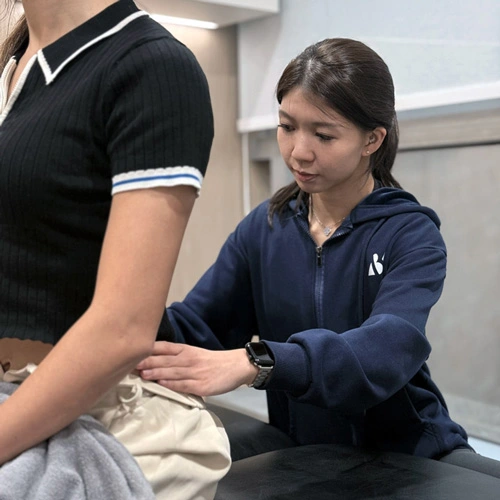
- Detailed Musculoskeletal Assessment: We don’t just treat the pain site; we assess the entire biomechanical chain (from the core and hips down to the feet) to find the root cause of the injury.
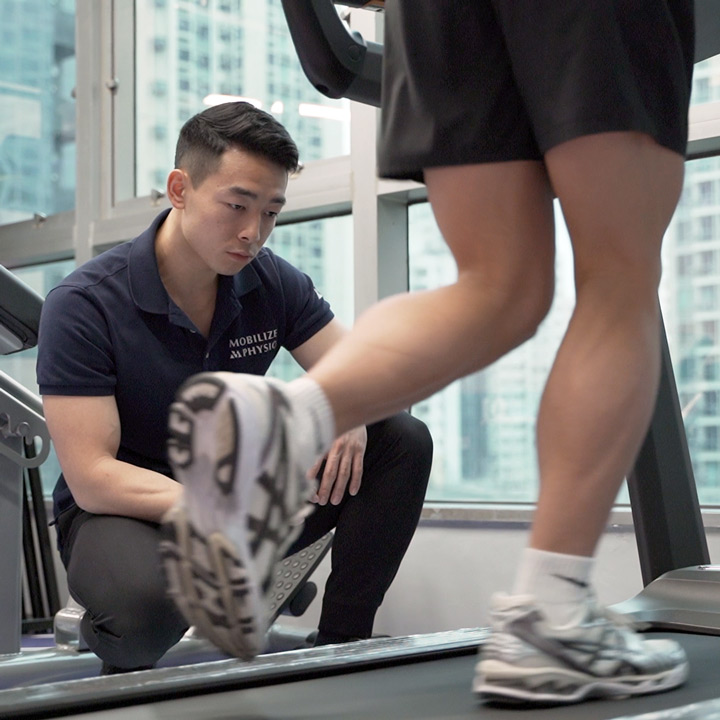
- Running Gait Analysis: Using video technology, we analyze your running form in slow motion. This is critical for identifying subtle inefficiencies—such as overpronation or excessive pelvic drop—that contribute to injury.
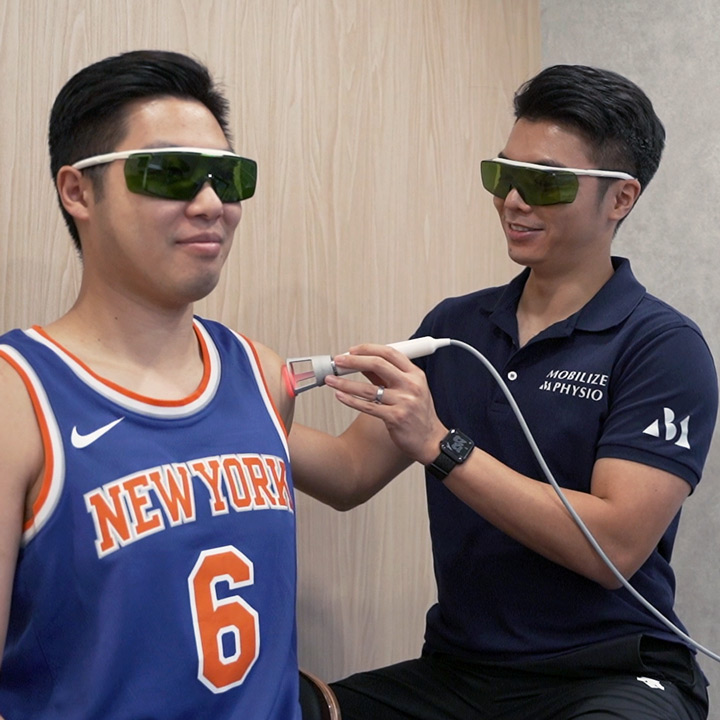
- Advanced Treatment Modalities: For chronic pain that resists traditional methods, we use cutting-edge, non-invasive treatments like Shockwave Therapy (ESWT) to stimulate healing and blood flow in stubborn tendons (like Achilles Tendinopathy or Plantar Fasciitis).
- Bespoke Pre-Habilitation: Based on the assessment, we design a targeted strength and conditioning program specifically addressing your “weak links.” This is proactive injury prevention, not reactive treatment.
Conclusion
Marathon preparation is a journey demanding discipline and smart strategy. By prioritizing consistent training, dedicated recovery, and seeking professional guidance from your Physiotherapy Hong Kong experts, you ensure that every kilometer you run is constructive, not destructive.
Prepare smartly, stay healthy, and we look forward to seeing you perform at your best on race day!



Physiotherapy Service
Mobilize Physio is a physiotherapy center located in Hong Kong. Our team of professional physiotherapists provides high-quality, evidence-based pain treatment. Our services include sports injury treatment, pain management, post-surgery rehabilitation, and posture and body alignment correction.
Every patient is unique, and we believe that every treatment plan should be customized accordingly. Therefore, we focus on one-on-one service to ensure that each patient receives personalized attention and specialized care. Contact us today to learn more about our physiotherapy services.
Latest Blog Posts

5 Exercises to Strengthen Your Hidden Core | The Gold Standard: Why Physiotherapy is the First Line of Defence for Women’s Pelvic Health

Say Goodbye to the “Slouch”: A Guide to Understanding and Fixing Rounded Shoulders

The Road to Recovery: Understanding Whiplash and Early Intervention
The Science of Precision Recovery: How Force Plate Technology is Transforming Physiotherapy

Waking Up Dizzy? Understanding BPPV vs. Cervicogenic Dizziness: A Comprehensive Guide to Diagnosis and Recovery

How to Heal a Sprained Ankle: 4 Best Rehab Exercises to Prevent Re-injury