
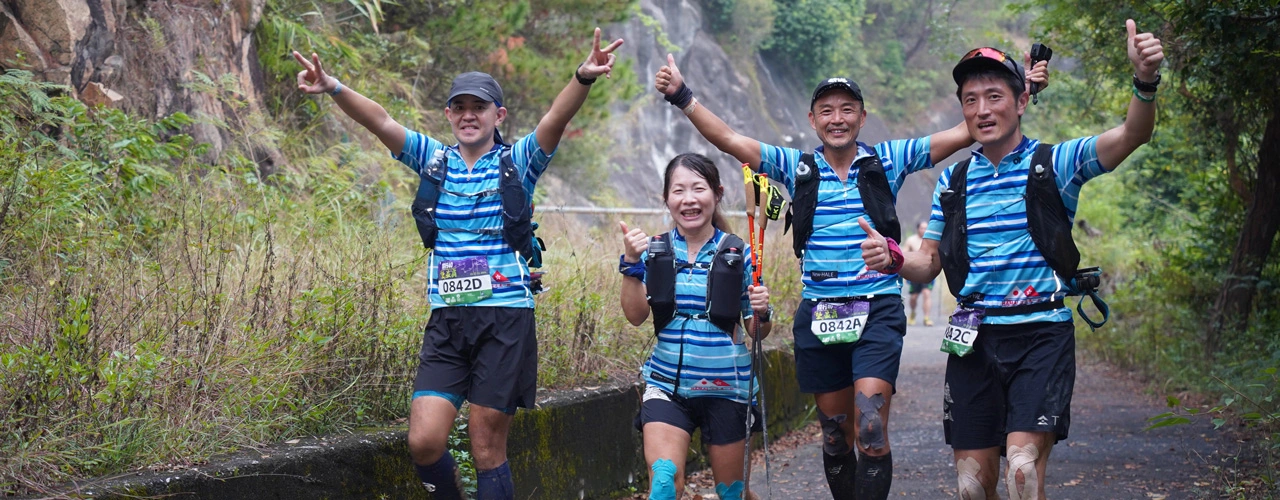
Whether you’ve just conquered the Oxfam Trailwalker or are recovering from an intense hiking session, your body is likely feeling the impact — soreness, aches, stiffness, and fatigue are all part of the deal. While it’s tempting to ignore these post-event pains, the recovery phase is just as crucial as your training. Without proper recovery, you risk overuse injuries, prolonged muscle soreness, and a slower return to your usual activity.
As a physiotherapy clinic in Hong Kong, we see a wide range of injuries and recovery needs after events like the Trailwalker. In this guide, we’ll provide you with physiotherapist-approved tips to help you recover quickly, safely, and effectively so you can feel your best as soon as possible.
Table Of Content
1. Understanding the Pain: Why You’re Sore
If you’re feeling sore, don’t worry — it’s completely normal. After a long and physically demanding hike, the pain you’re experiencing is likely caused by Delayed Onset Muscle Soreness (DOMS), which occurs when you push your muscles beyond their usual capacity.
What Happens to Your Muscles?
When you exercise intensely, especially during long, grueling hikes like the Oxfam Trailwalker, your muscles experience micro-tears. This is part of the natural process of muscle growth, repair, and strengthening, but it also causes soreness and stiffness. Additionally, lactic acid build-up in the muscles contributes to the initial discomfort.
While this might feel uncomfortable, it’s an indication that your body is working to repair and strengthen itself. The key here is giving your body the proper support and recovery it needs to heal efficiently.
2. The Importance of Cooling Down
A proper cool-down routine is crucial for easing the transition. Try these steps:
- Gradual walking: Slow down your pace, walking at a comfortable speed for 5-10 minutes. This helps reduce the build-up of lactic acid in your muscles.
- Breathing exercises: Focus on slow, deep breathing to help bring your heart rate back to normal.
- Stretching: Once your heart rate has lowered, incorporate gentle stretching to prevent tightness and reduce the risk of muscle strain.
3. Stretching: A Crucial Step in Recovery
Stretching after a hike or event like the Oxfam Trailwalker isn’t just about feeling good; it’s about helping your muscles recover properly and stay flexible. Focus on the key muscle groups involved in hiking:
- Calves (your calves work overtime while hiking, especially on downhill terrain)
- Hamstrings (tight hamstrings can lead to lower back discomfort)
- Quadriceps (helpful for managing knee strain)
- Hip Flexors (these muscles help with your stride)
- Lower Back (many people experience tightness in the lower back after prolonged walking)
Incorporate both static stretching (holding the stretch for 20-30 seconds) and dynamic stretching (slow leg swings, hip circles) in your routine. This will help improve flexibility, prevent stiffness, and improve overall mobility.
4. Foot Care: Your Feet Took the Brunt of It
Your feet are one of the most important parts of your body to take care of during and after a hike. Given Hong Kong’s often humid weather and the intense wear from a long-distance hike like the Oxfam Trailwalker, you’re at risk of blisters, swelling, and soreness in the feet.
Here are some additional foot care tips to help you recover:
- Blister prevention: If you know your feet are prone to blisters, pre-tape sensitive areas like the heels, toes, or arches. Use blister-resistant socks and consider lubricants like petroleum jelly on areas that rub.
- Post-hike massage: Gently massage the balls of your feet, arches, and Achilles tendon. This stimulates blood flow, reduces swelling, and helps alleviate tightness in the foot muscles.
- Soak your feet: If your feet are swollen or tired, soak them in Epsom salt warm water. The magnesium in Epsom salt helps reduce inflammation and promotes relaxation.
5. Fueling for Recovery: What to Eat After the Hike
During the Oxfam Trailwalker, you likely burned through a lot of calories and energy, especially from the long hours of continuous movement. To support muscle repair and replenish your energy stores, it’s important to refuel within the first 30–45 minutes after the hike.
Here’s a general guideline:
- Protein: It’s essential for muscle repair. Go for lean options like chicken, tofu, eggs, or protein shakes.
- Carbohydrates: These help replenish glycogen stores that were depleted during the hike. Consider whole grains, sweet potatoes, or fruits.
- Fats: Healthy fats, such as avocados and nuts, are good for long-term recovery.
- Hydration: Always drink plenty of fluids to prevent dehydration. Replenish your electrolytes with drinks containing sodium, potassium, and magnesium.
Pro tip: A smoothie with banana, Greek yogurt, and a scoop of protein powder can be a quick and easy way to maximize post-hike recovery.
6. Rehydrate and Replace Fluids
Hydration is critical to recovery. After an intense hike like the Trailwalker, your body loses water and electrolytes through sweat. If you don’t rehydrate properly, you risk muscle cramps, headaches, and prolonged fatigue.
How to Rehydrate:
- Drink water throughout the day to maintain hydration.
- If you sweat a lot, consider an electrolyte replacement drink or sports drink to replace lost minerals.
- Coconut water is a natural, hydrating alternative rich in electrolytes.
7. Rest and Active Recovery: Don't Rush Back Into It
While rest is crucial for recovery, you shouldn’t stop moving altogether. Active recovery activities like light walking, swimming, or yoga help improve circulation and prevent muscle stiffness. This keeps your blood flowing to the muscles and reduces the chances of developing stiffness or tightness.
How Much Rest?
- If you’re still sore, take 1-2 days of rest before engaging in any strenuous activity.
- If you feel up for it, try light exercises like gentle stretching or a short walk the next day.
Be mindful to listen to your body and avoid pushing through any sharp pain or discomfort.
8. Seek Professional Help: Physiotherapy and Taping
If you’re dealing with persistent pain, swelling, or mobility issues after your hike, seeking help from a physiotherapist is a smart choice. A physiotherapist can help you address underlying issues, speed up your recovery, and reduce the risk of future injuries.
What Can a Physiotherapist Do?
- Taping and strapping: Our physiotherapists in Hong Kong often use kinesiology taping to support injured muscles and joints and reduce swelling.
- Manual therapy: Techniques like soft tissue massage or joint mobilizations can ease tight muscles and improve mobility.
- Rehabilitation exercises: A physiotherapist can guide you through strengthening exercises that help prevent overuse injuries and improve your overall muscle function.
- Biomechanical assessments: If you’re having trouble recovering from the same injury repeatedly, a physiotherapist can assess your walking and running form to identify any imbalances.
9. Take Care of Mental Health Too
Endurance events like the Trailwalker take a mental toll just as much as a physical one. If you’re feeling drained or discouraged, don’t neglect your mental recovery. Practices like meditation, mindfulness, and journaling can help you process the experience and reduce stress.
Final Thoughts: Recovery is Key
Completing an event like the Oxfam Trailwalker is an incredible achievement, but proper recovery is essential to ensure you bounce back stronger and avoid injury. Take the time to rest, stretch, fuel, and hydrate, and don’t hesitate to consult a physiotherapist if necessary.
If you’re in Hong Kong and need personalized recovery advice or physiotherapy, we’re here to support you every step of the way. Book a consultation with one of our experienced physiotherapists to ensure you’re on the fast track to recovery!


Physiotherapy Service
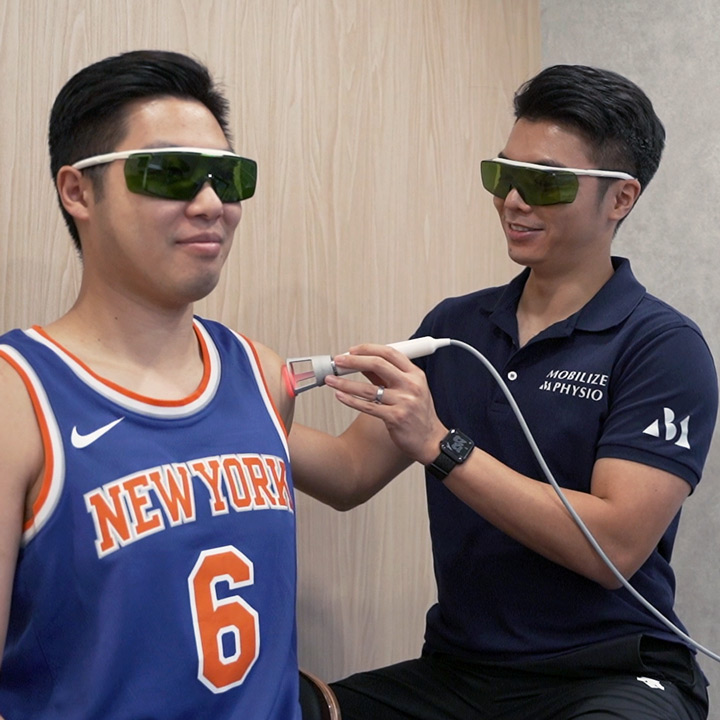
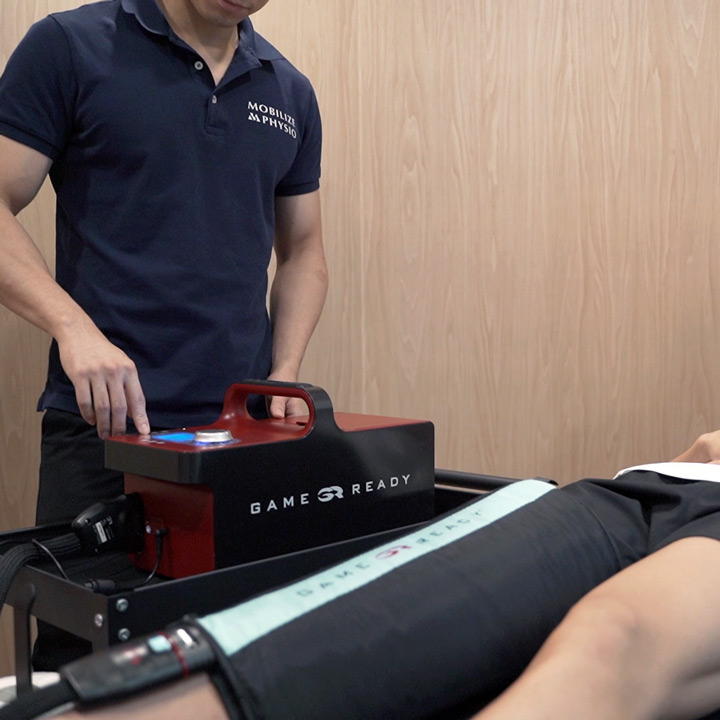
Mobilize Physio is a physiotherapy center located in Hong Kong. Our team of professional physiotherapists provides high-quality, evidence-based pain treatment. Our services include sports injury treatment, pain management, post-surgery rehabilitation, and posture and body alignment correction.
Every patient is unique, and we believe that every treatment plan should be customized accordingly. Therefore, we focus on one-on-one service to ensure that each patient receives personalized attention and specialized care. Contact us today to learn more about our physiotherapy services.
Latest Blog Posts

5 Exercises to Strengthen Your Hidden Core | The Gold Standard: Why Physiotherapy is the First Line of Defence for Women’s Pelvic Health

Say Goodbye to the “Slouch”: A Guide to Understanding and Fixing Rounded Shoulders
The Road to Recovery: Understanding Whiplash and Early Intervention
The Science of Precision Recovery: How Force Plate Technology is Transforming Physiotherapy

Waking Up Dizzy? Understanding BPPV vs. Cervicogenic Dizziness: A Comprehensive Guide to Diagnosis and Recovery

How to Heal a Sprained Ankle: 4 Best Rehab Exercises to Prevent Re-injury