
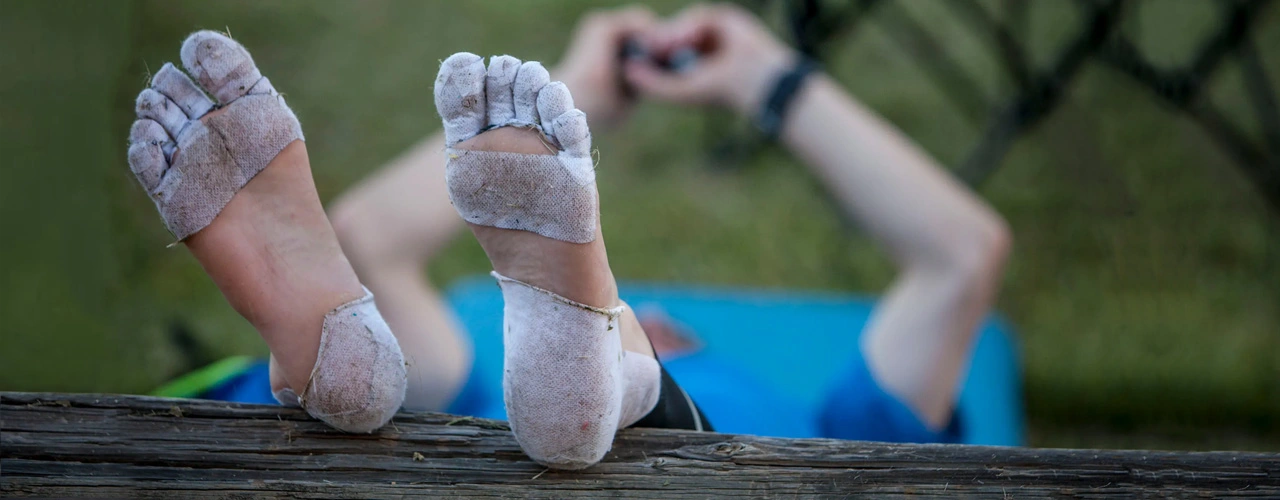
When it comes to preparing for the Oxfam Trailwalker in Hong Kong, marathons, triathlons, or ultra-endurance races, most athletes spend countless hours training their stamina, strength, and mental resilience. Yet, one of the most overlooked aspects of preparation is also one of the most crucial: foot care. Your feet are the foundation of every step, carrying you over mountains, roads, and trails for hours on end. Ignoring their care not only increases the risk of injury but can also jeopardize months of training and preparation.
In this article, our Hong Kong physiotherapy team dives into the importance of foot health for endurance athletes, explores common foot problems, and shares practical strategies to help you prevent blisters, calluses, and other injuries—so you can perform your best on race day.
Table Of Content
Why Foot Care Matters in Endurance Sports
During long-distance running or hiking, your feet bear three to four times your body weight with each step. Over the course of a 100 km Trailwalker or marathon, this adds up to tens of thousands of steps. The repetitive stress can quickly lead to overuse injuries if not managed properly.
Many athletes assume pain is “just part of the sport” and will go away. However, recurring pain is usually your body’s way of signaling a problem. Ignoring these signals often leads to worsening injuries such as plantar fasciitis, tendonitis, or stress fractures—conditions that can sideline you for weeks or even months.
Common Foot Issues in Ultra-Endurance Athletes
1. Blisters
Blisters are one of the most common complaints among endurance athletes. They are caused by friction, moisture, and repetitive rubbing inside the shoe. Left untreated, blisters can burst and become infected, turning a minor issue into a serious problem.
Tip: If blisters occur regularly, check your shoe size, sock material, and training terrain. Sometimes, simply switching to moisture-wicking socks or adjusting your lacing pattern can prevent them.
2. Calluses
Calluses form as your body’s natural defense against repeated friction. While small calluses can be protective, thick or hard calluses can increase localized pressure, making blisters more likely.
Tip: Avoid shaving calluses completely. Instead, file them gently to reduce thickness without removing the protective layer.
3. Toenail Injuries
Long-distance runners often suffer from blackened, bruised, or ingrown toenails due to constant pressure from the shoe.
Tip: Keep toenails trimmed short and straight across. Avoid shoes that are too tight at the toe box. A half-size larger shoe may be necessary for long races to account for foot swelling.
This painful condition involves inflammation of the band of tissue along the bottom of the foot. It is especially common in runners who increase mileage too quickly or wear worn-out shoes.
Tip: Stretch your calves and arches regularly. Strengthening foot muscles and ensuring proper footwear can significantly reduce the risk.
5. Stress Fractures
Tiny cracks in the bones of the foot can occur from overtraining, improper shoes, or poor running mechanics. Stress fractures require medical attention and weeks of rest.
Tip: Follow a gradual training plan and listen to early warning signs like persistent localized pain or swelling.
How to Care for Your Feet During Endurance Training
1. Keep Your Feet Clean and Dry
Wash your feet daily and dry them thoroughly, especially between the toes. Moisture increases the risk of blisters, fungal infections, and athlete’s foot. Consider using foot powder if you are prone to sweating.
2. Invest in the Right Shoes
Your footwear can make or break your performance. Consider the terrain of your event:
- Road running shoes: Lightweight with added cushioning for repetitive impact.
- Trail running shoes: More durable, weather-resistant, and designed with a grippy sole for uneven terrain.
- Ultra-distance shoes: A hybrid design that balances cushioning and stability for long hours on foot.
Always break in new shoes gradually before a big race. Running an ultra in brand-new shoes is a recipe for disaster.
3. Replace Shoes Regularly
Running shoes last 350–500 miles before they lose cushioning and stability. Worn-out shoes alter your gait and increase the risk of injury. Keep a training log of your mileage and replace shoes once you reach the limit—or earlier if you notice uneven wear on the soles.
4. Choose the Right Socks
Socks play a huge role in blister prevention. Look for moisture-wicking, seamless socks that reduce friction and regulate foot temperature. Avoid cotton socks, which trap sweat and increase friction.
5. Use Orthotics if Necessary
For some athletes, custom orthotics can provide extra support and improve alignment, reducing stress on the feet, ankles, and knees. Contrary to common belief, orthotics don’t “weaken” the foot—they optimize mechanics for endurance performance.
6. Manage Training Load
One of the biggest risk factors for foot injuries is increasing mileage too quickly. Follow the “10% rule”—do not increase your weekly distance by more than 10% at a time. This gives your feet, muscles, and joints time to adapt.
7. Strengthen Your Feet and Ankles
Simple exercises like toe curls, calf raises, and single-leg balance drills can improve foot strength and stability. Strong feet handle endurance demands more effectively and are less prone to overuse injuries.
Physiotherapy for Endurance Athletes
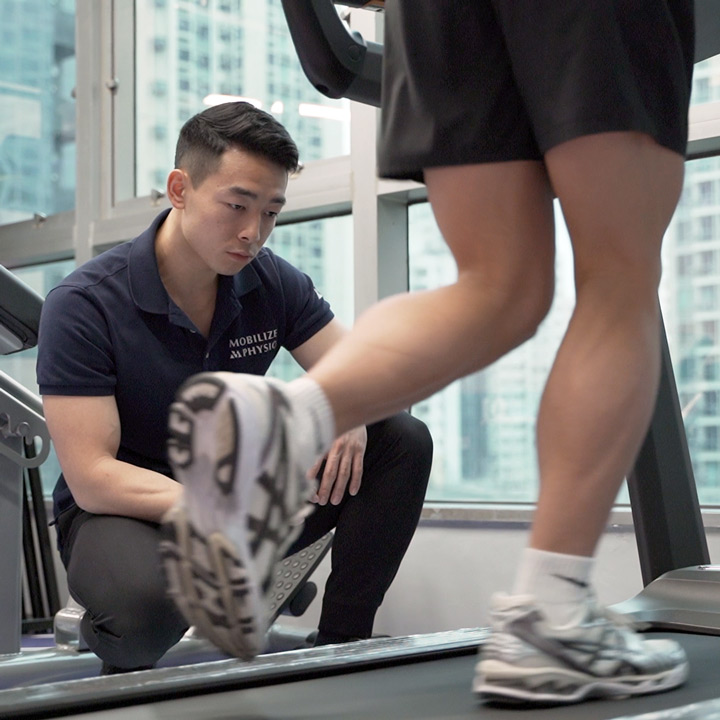
At our Hong Kong physiotherapy clinic, we frequently see athletes training for the Trailwalker or marathons who develop preventable foot issues. Through gait analysis, injury prevention programs, and individualized exercise plans, we help runners and hikers:
- Identify biomechanical imbalances
- Improve running technique
- Strengthen supporting muscles
- Recover faster from training sessions
- Prevent injuries before they happen
Our physiotherapists also provide hands-on treatment for blisters, plantar fasciitis, and other foot-related conditions, ensuring you can get back to training safely and effectively.
Final Thoughts
If you are preparing for the Oxfam Trailwalker in Hong Kong, a marathon, or any ultra-endurance event, don’t wait until pain forces you to stop. Proper foot care is essential for performance, injury prevention, and long-term health.By choosing the right shoes, socks, and training plan—and working with a physiotherapist when needed—you can protect your feet, enhance your performance, and enjoy the journey to the finish line.
Remember, your feet carry you every step of the way—treat them with the care they deserve.


Physiotherapy Service
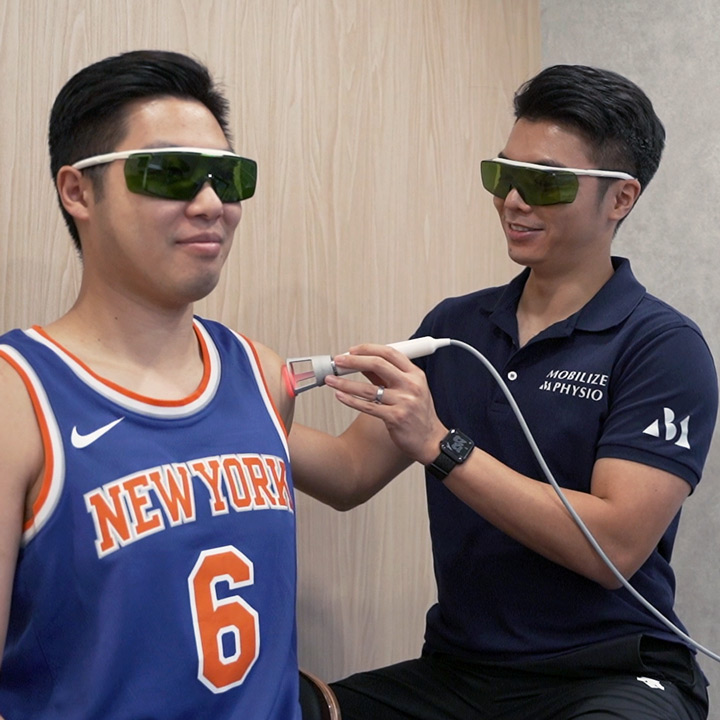
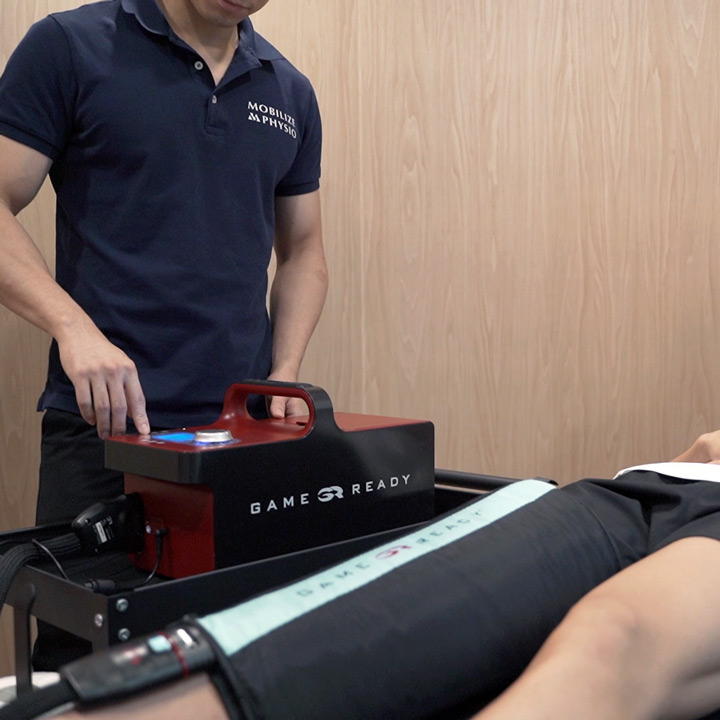
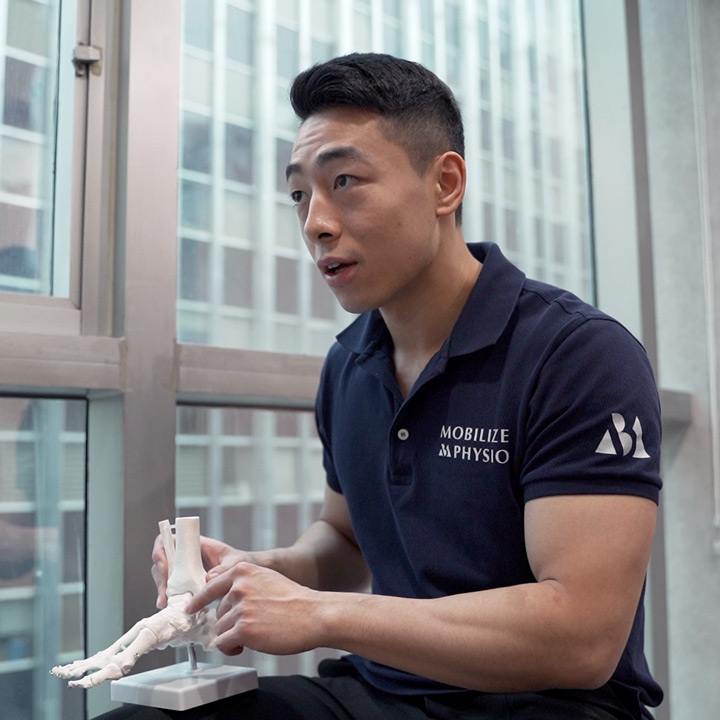
Mobilize Physio is a physiotherapy center located in Hong Kong. Our team of professional physiotherapists provides high-quality, evidence-based pain treatment. Our services include sports injury treatment, pain management, post-surgery rehabilitation, and posture and body alignment correction.
Every patient is unique, and we believe that every treatment plan should be customized accordingly. Therefore, we focus on one-on-one service to ensure that each patient receives personalized attention and specialized care. Contact us today to learn more about our physiotherapy services.
Latest Blog Posts

5 Exercises to Strengthen Your Hidden Core | The Gold Standard: Why Physiotherapy is the First Line of Defence for Women’s Pelvic Health

Say Goodbye to the “Slouch”: A Guide to Understanding and Fixing Rounded Shoulders

The Road to Recovery: Understanding Whiplash and Early Intervention
The Science of Precision Recovery: How Force Plate Technology is Transforming Physiotherapy

Waking Up Dizzy? Understanding BPPV vs. Cervicogenic Dizziness: A Comprehensive Guide to Diagnosis and Recovery

How to Heal a Sprained Ankle: 4 Best Rehab Exercises to Prevent Re-injury