As summer rolls in, soccer season kicks into full swing across Hong Kong. With more players training outdoors, the physical demands of the sport become even more intense. Soccer requires a powerful combination of endurance, agility, and explosive speed, meaning players are in constant motion—sprinting, cutting, kicking, and changing direction throughout each game or training session. These repetitive and high-impact movements place immense strain on the muscles, joints, and connective tissues of the body. Without proper preparation, recovery, and care, soccer players are at high risk for both acute injuries and long-term overuse problems.
In today’s blog, we’ll explore:
The most common injuries in soccer players, their causes, and warning signs
DIY injury prevention techniques that can help reduce risk
How physiotherapy supports both recovery and prevention
How to know when it’s safe to return to sport after injury
Table Of Content
Common Injuries in Soccer Players
Ankle Sprains
Ankle sprains are the most common soccer-related injury, making up nearly 20% of all cases. They usually happen during sudden stops or sharp direction changes, especially on uneven ground or wet playing surfaces. Another common cause is stepping on an opponent’s foot during a tackle. Symptoms include:
Swelling and bruising around the ankle
Pain when walking or bearing weight
Instability or a “rolling” sensation
Hamstring Strains
Often caused by overstretching or rapid acceleration, hamstring strains are frequent in soccer players during sprints or lunges. They can range from mild to severe and may present as:
Sudden sharp pain at the back of the thigh
Tightness, swelling, and bruising
Reduced strength and range of motion
Groin Strains
The adductor muscles, located along the inner thigh, are heavily used in lateral movements, ball control, and directional changes. Overuse or poor flexibility can result in groin injuries, which often include:
Aching or sharp pain in the inner thigh or groin
Discomfort when changing direction, kicking, or squeezing the legs together
In severe cases, difficulty walking
Knee Injuries – ACL and Meniscus Tears
The ACL (anterior cruciate ligament) and menisci are vital structures in the knee joint, helping with stability and shock absorption. These injuries often occur from pivoting, awkward landings, or sudden impact. Signs include:
A popping sensation at the time of injury
Rapid swelling and joint stiffness
Instability or buckling of the knee
Pain with weight-bearing or bending the knee
Injury Prevention Techniques
Warm-Up and Cool-Down
Never skip your warm-up. A dynamic warm-up prepares your body for movement by increasing blood flow, activating muscles, and improving joint mobility. Recommended dynamic exercises include:
Leg swings (front-to-back and side-to-side)
Walking lunges with torso rotation
High knees and butt kicks
Carioca and skipping drills
After your session, always finish with a cool-down, which can include 5–10 minutes of light jogging or walking, followed by static stretches to relieve muscle tension and support recovery.
Technique and Proper Form
Training with correct biomechanics, especially when cutting, jumping, or striking the ball, minimizes strain on joints and helps avoid overcompensation injuries. Players should also wear appropriate footwear for their playing surface to reduce slipping and improve ankle support.
Proper Footwear and Surface Awareness
Wear cleats or soccer shoes suitable for the surface you’re training on—grass, turf, or indoor courts—to ensure grip and reduce slipping. Also, inspect the playing field for uneven patches, holes, or debris that could increase the risk of tripping or awkward landings.
Load Management and Recovery
Overtraining increases the risk of overuse injuries like muscle strains and tendinopathies. It’s crucial to:
Avoid increasing intensity or training volume too quickly (follow the 10% rule)
Schedule rest days and lighter sessions between intense training
Prioritize sleep and nutrition for recovery
Stay well hydrated, especially during Hong Kong’s humid summer months
Using wearable devices or training journals can help monitor training loads and avoid burnout.
How Physiotherapy Helps Soccer Players
Comprehensive Assessment and Targeted Treatment
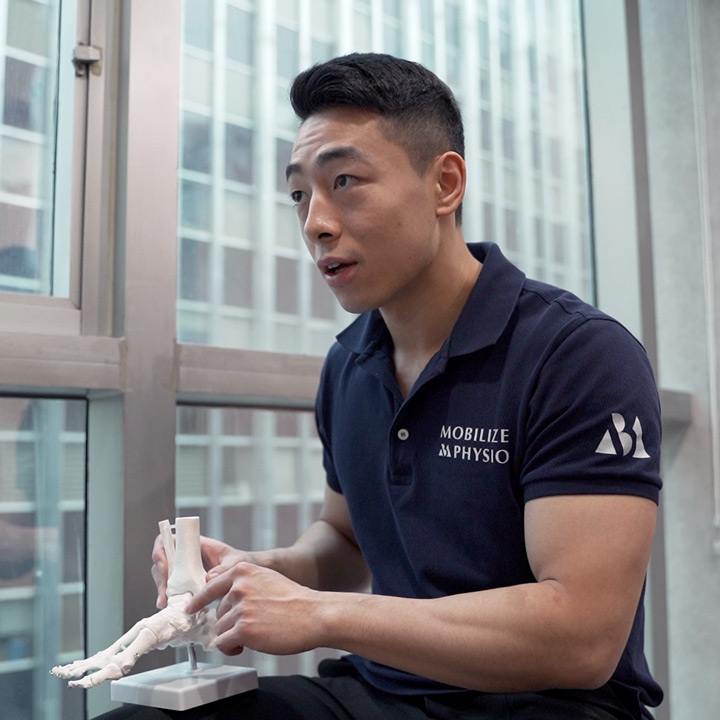
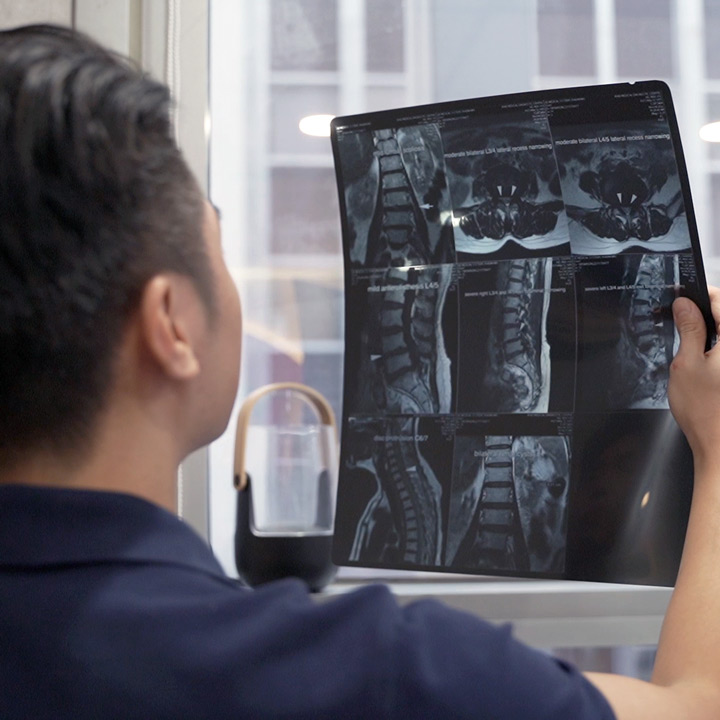
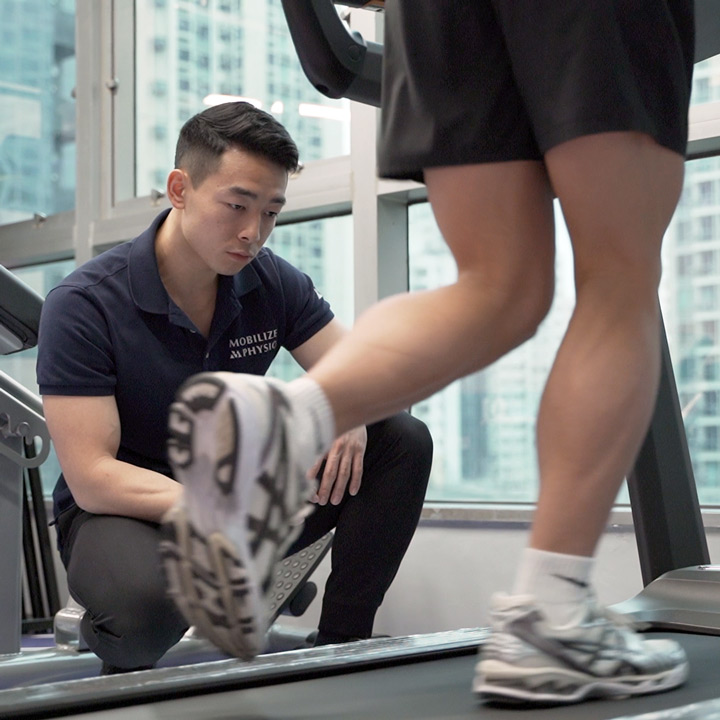
Physiotherapists conduct a full-body assessment focused on the injury and its relationship to your sport. This includes evaluating:
Joint mobility and range of motion
Muscle imbalances and weakness
Gait and movement patterns
Your injury history and training load
Based on these findings, a personalized treatment plan is developed that may include:
Manual therapy (joint mobilization and soft tissue work)
Corrective and functional exercises
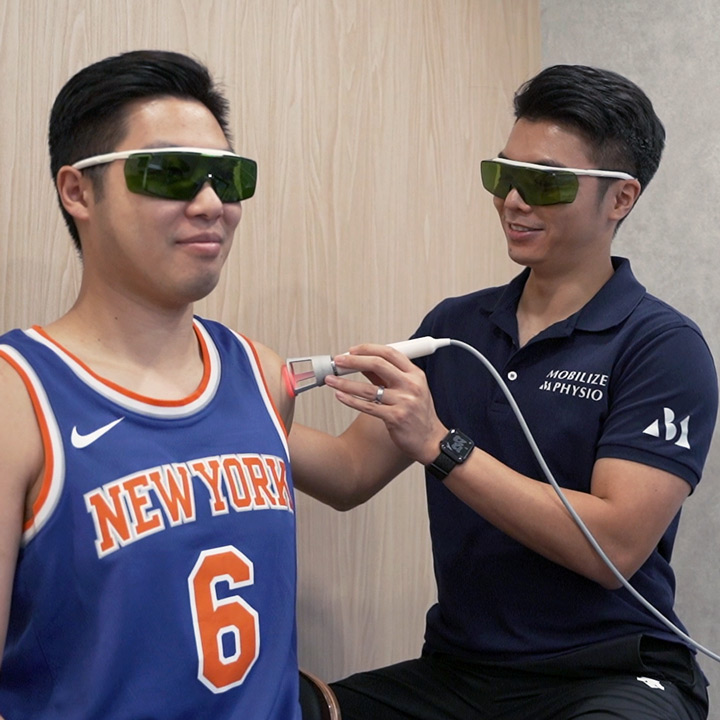
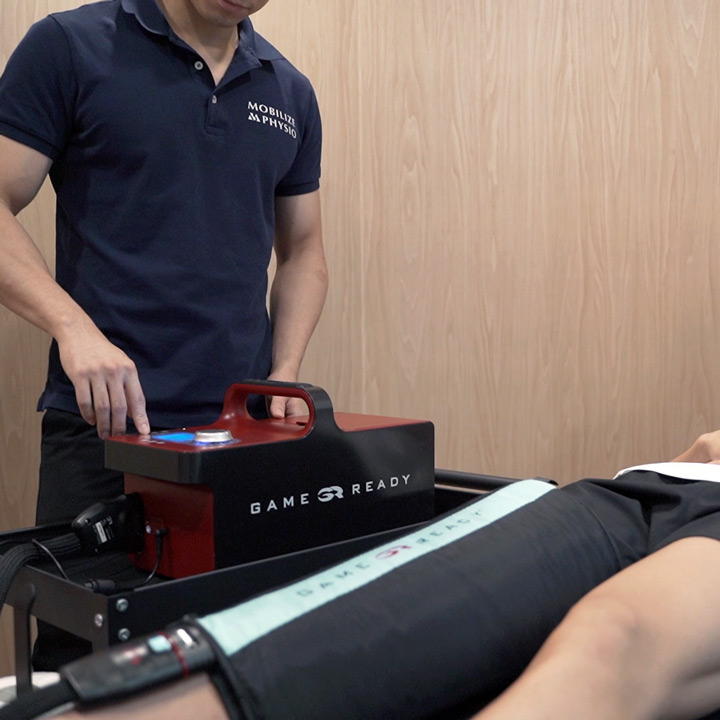
Modalities like ultrasound, electrical stimulation, or shockwave therapy to reduce inflammation and pain
Strength and Conditioning Programs
With a physiotherapist’s guidance, players engage in targeted strengthening, focusing on vulnerable areas such as the hamstrings, hip stabilizers, and core. These programs not only help prevent future injuries but also enhance athletic performance.
When Can You Return to Sport?
Returning to soccer too early can delay healing or worsen the injury. A physiotherapist will assess if you’re ready using criteria such as:
Full, pain-free range of motion
Recovered muscle strength and balance
Ability to perform sport-specific movements like cutting, sprinting, and kicking without pain or instability
Psychological readiness and confidence in the injured area
Only when all benchmarks are safely met should a return to full gameplay be considered.
Don’t Wait Until You’re Injured
Whether you’re a youth player, a weekend warrior, or a professional athlete, working with a physiotherapist can help you stay healthy, recover faster, and maximize your performance. Injury prevention is just as important as treatment, and it starts with proper support.
Physiotherapy Service
Mobilize Physio is a physiotherapy center located in Hong Kong. Our team of professional physiotherapists provides high-quality, evidence-based pain treatment. Our services include sports injury treatment, pain management, post-surgery rehabilitation, and posture and body alignment correction.
Every patient is unique, and we believe that every treatment plan should be customized accordingly. Therefore, we focus on one-on-one service to ensure that each patient receives personalized attention and specialized care. Contact us today to learn more about our physiotherapy services.
Latest Blog Posts
5 Exercises to Strengthen Your Hidden Core | The Gold Standard: Why Physiotherapy is the First Line of Defence for Women’s Pelvic Health
Say Goodbye to the “Slouch”: A Guide to Understanding and Fixing Rounded Shoulders
The Road to Recovery: Understanding Whiplash and Early Intervention
The Science of Precision Recovery: How Force Plate Technology is Transforming Physiotherapy
Waking Up Dizzy? Understanding BPPV vs. Cervicogenic Dizziness: A Comprehensive Guide to Diagnosis and Recovery
How to Heal a Sprained Ankle: 4 Best Rehab Exercises to Prevent Re-injury