With HYROX making its way to Hong Kong, fitness enthusiasts across the city are gearing up for this one-of-a-kind race. But while the excitement builds, it’s essential to look beyond just clocking more training hours. Whether you’re a seasoned athlete or a first-time competitor, preparing for HYROX requires more than pushing your limits—it calls for a strategic approach that prioritizes injury prevention, recovery, and performance optimization.
As a physiotherapy clinic deeply invested in functional fitness and athletic performance, we’re here to guide you through how to train smart and perform your best on race day.
Table Of Content
What Is HYROX?
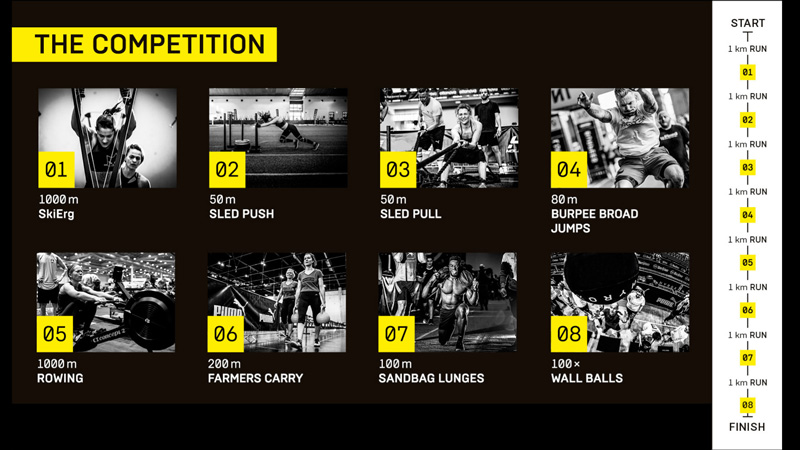
Hyrox is an intensive hybrid competition that combines endurance running with functional strength movements. The event consists of 8 km of running, broken up with 8 workout stations, including:
SkiERG – 1000 meters
Sled Push – 50 meters
Sled Pull – 50 meters
Burpee Broad Jumps – 80 meters
Rowing – 1000 meters
Farmers Carry – 200 meters with kettlebells
Walking Lunges – 100 meters with a sandbag
This sport has surged in popularity thanks to its unique combination of strength, stamina, and mental grit. However, with such demanding physical tasks packed into a single event, it’s no surprise that Hyrox places enormous stress on your body—especially if you’re not training wisely.
The Physical Demands of Hyrox
HYROX is not your average fitness race—it’s a brutal blend of endurance, strength, and mental grit. It challenges your cardiovascular capacity, muscular endurance, and functional mobility all at once. The alternating sequence of running and functional exercises (like sled pushes, burpee broad jumps, and rowing) forces your body to repeatedly shift between aerobic and anaerobic energy systems, demanding both power and stamina.
This intense and sustained workload places significant strain on key joints and muscle groups, particularly:
Knees – stressed during lunges, sled pushes, and running
Shoulders – engaged heavily in wall balls, carries, and rowing
Lower back – a common point of fatigue from poor form under load
Hips – central to explosive movements and stability
Ankles – constantly loaded during plyometrics and running
These repetitive, high-impact demands—especially under fatigue—can lead to overuse injuries, movement inefficiencies, and muscle imbalances, all of which can hinder your performance or sideline your training altogether.
Injury Prevention: Train Smart
1. Prioritize Mobility and Stability Work
Incorporate mobility drills and joint-stabilizing exercises to reduce compensations and improve range of motion—especially in your hips, shoulders, and ankles.
2. Strengthen Movement Patterns, Not Just Muscles
Focus on functional strength training that mimics Hyrox-specific tasks. Movement efficiency is key.
3. Listen to Your Body
Soreness is normal. Pain is not. Don’t ignore red flags—address them early with professional guidance.
4. Cross-Train Intelligently
Avoid overtraining by rotating between running, strength, and mobility days to allow muscle groups time to recover.
The Power of Recovery
Many athletes mistakenly believe “more is better.” But without proper recovery, you’re more prone to:
Cumulative Fatigue
Plateaued or declining performance
Injury
Mental burnout and motivation loss
To perform at your best, build recovery into your program with intention:
Active recovery days: light movement like yoga, walking, cycling, or foam rolling to stimulate circulation without taxing the system
Sleep: aim for 7–9 quality hours per night to support hormonal balance and tissue repair
Hydration and nutrition: fuel your body pre- and post-workout with the right balance of protein, carbs, and fats
Scheduled deload weeks: reduce intensity or volume every 4–6 weeks to allow full systemic recovery
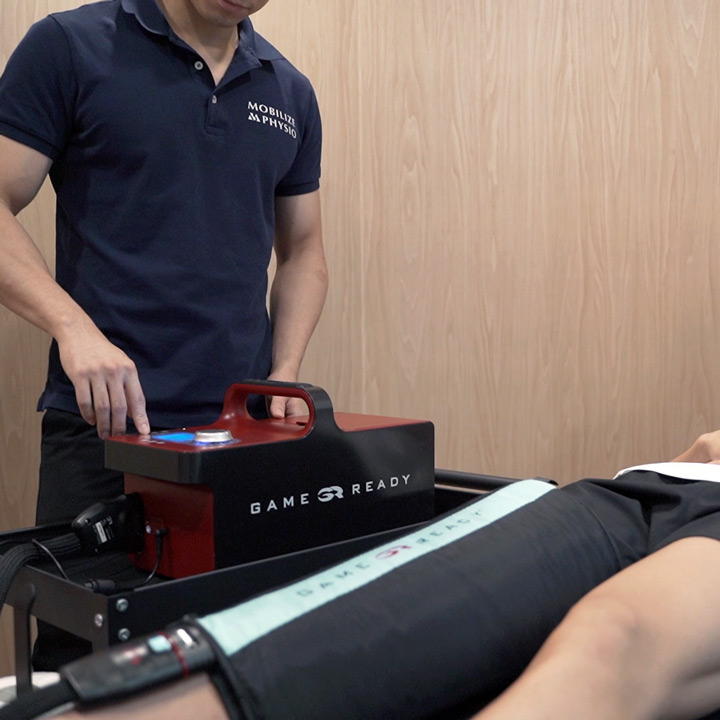
Manual therapies: regular massage, physiotherapy, or mobility sessions to keep tissues supple and address nagging tightness
Maximizing your HYROX performance isn’t just about raw strength or cardio capacity—it’s also about movement economy, mental focus, and injury-free consistency.
Here’s how you can fine-tune your training:
Practice transitions between runs and stations for smoother pacing
Work on breathing mechanics to manage heart rate and oxygen efficiency
Incorporate plyometrics and agility drills to build explosive power for stations like burpee broad jumps and sled pushes
How Physiotherapy Can Support Your Hyrox Journey
As physiotherapists, we don’t just treat injuries—we help optimize movement, enhance performance, and prevent setbacks. Here’s how we can help:
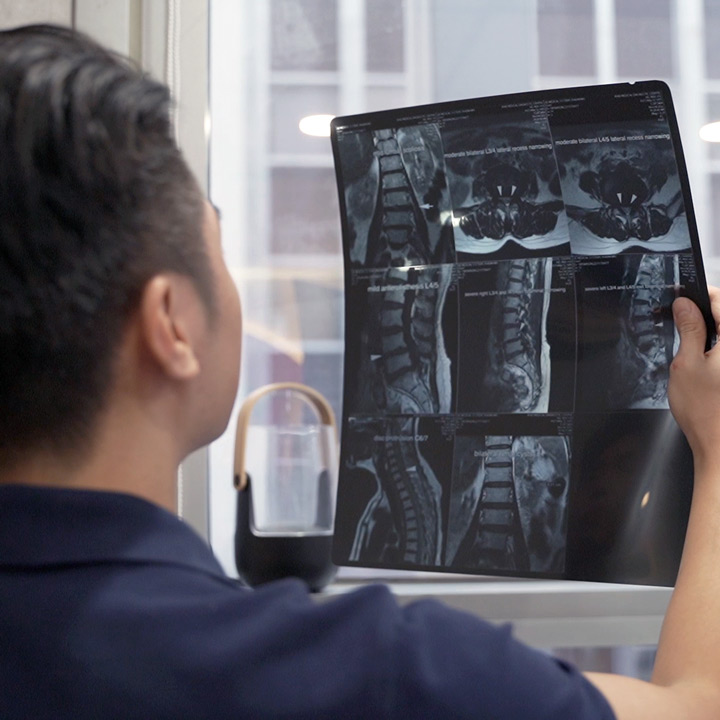
✅ Pre-race assessments to identify biomechanical imbalances ✅ Individualized recovery programs with stretching, manual therapy, and modalities ✅ Injury rehab that keeps you progressing, even through setbacks ✅ Education and coaching on proper movement mechanics for Hyrox-specific exercises
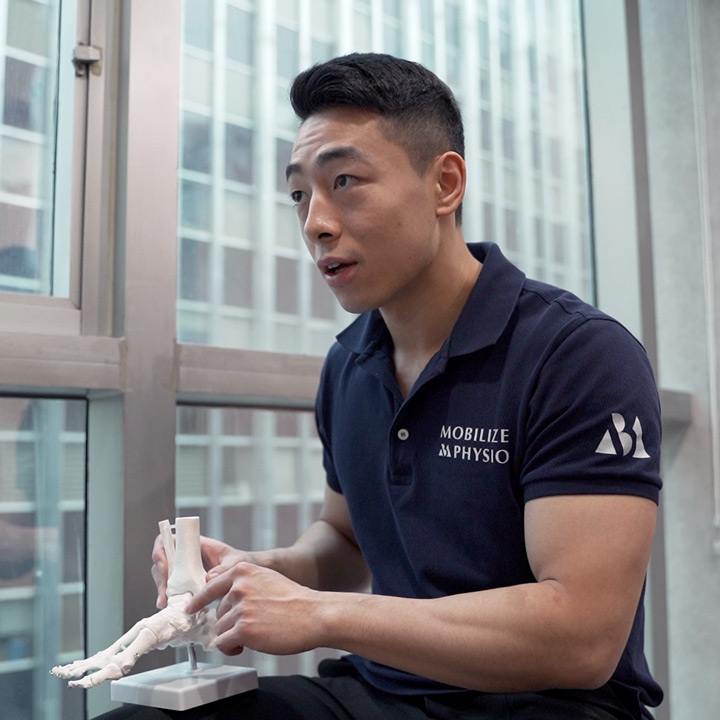
👉 Learn more from our physiotherapists, who share expert insights on HYROX-related conditions on our Instagram.
HYROX is more than just a race—it’s a test of grit, athleticism, and functional fitness. With the right strategy, you can prepare confidently, compete safely, and perform at your best. At Mobilize Physio, we’re passionate about helping athletes reach their full potential. Whether you’re ramping up your training or nursing a minor tweak, we’re here to support you every step of the way.
Physiotherapy Service
Mobilize Physio is a physiotherapy center located in Hong Kong. Our team of professional physiotherapists provides high-quality, evidence-based pain treatment. Our services include sports injury treatment, pain management, post-surgery rehabilitation, and posture and body alignment correction.
Every patient is unique, and we believe that every treatment plan should be customized accordingly. Therefore, we focus on one-on-one service to ensure that each patient receives personalized attention and specialized care. Contact us today to learn more about our physiotherapy services.
Latest Blog Posts
5 Exercises to Strengthen Your Hidden Core | The Gold Standard: Why Physiotherapy is the First Line of Defence for Women’s Pelvic Health
Say Goodbye to the “Slouch”: A Guide to Understanding and Fixing Rounded Shoulders
The Road to Recovery: Understanding Whiplash and Early Intervention
The Science of Precision Recovery: How Force Plate Technology is Transforming Physiotherapy
Waking Up Dizzy? Understanding BPPV vs. Cervicogenic Dizziness: A Comprehensive Guide to Diagnosis and Recovery
How to Heal a Sprained Ankle: 4 Best Rehab Exercises to Prevent Re-injury